
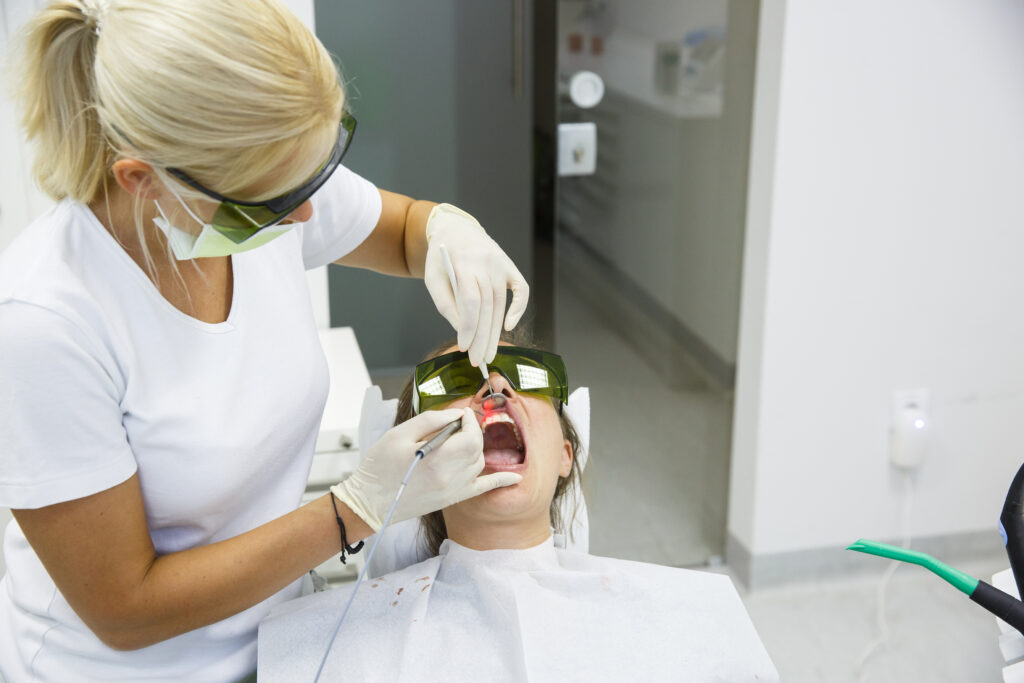
A root canal procedure removes infected pulp tissue from within the tooth structure, leaving the treated area vulnerable during recovery. Post-endodontic care directly influences treatment success rates and long-term tooth retention. Patients face critical decisions regarding pain management protocols, dietary modifications, and oral hygiene adjustments during the initial healing phase. The distinction between expected post-operative symptoms and potential complications remains unclear for many individuals. Proper aftercare determines whether the investment in endodontic therapy achieves its intended outcome.
Managing Pain and Discomfort During Recovery
Following endodontic therapy, patients typically experience mild to moderate discomfort that peaks within 24 to 48 hours post-procedure and gradually subsides over the subsequent 3 to 5 days. Prescribed or over-the-counter non-steroidal anti-inflammatory drugs effectively reduce inflammation and provide analgesic relief. Patients should adhere to recommended dosing intervals to maintain therapeutic drug levels.
Managing swelling requires immediate application of ice packs to the affected facial area for 20-minute intervals during the first 24 hours. Elevation of the head during sleep minimizes fluid accumulation. Controlling bleeding involves gentle pressure with sterile gauze if minor oozing occurs at the treatment site. Persistent hemorrhage exceeding two hours warrants immediate clinical consultation. Patients must avoid chewing on the treated tooth until permanent restoration placement to prevent fracture or recontamination.
Protecting Your Treated Tooth From Damage
Following root canal therapy, the structural integrity of the treated tooth remains compromised until definitive restoration occurs. Patients must implement specific protective measures to prevent fracture or reinfection of the endodontically treated tooth. These measures include dietary modifications to eliminate hard food consumption, placement of a full-coverage crown restoration, and utilization of occlusal guards for patients with parafunctional habits.
Avoid Hard Foods
During the initial recovery period following endodontic therapy, patients must modify their dietary habits to prevent fracture or displacement of the temporary restoration. The treated tooth remains vulnerable until permanent restoration placement, requiring strict adherence to soft consistency foods such as yogurt, mashed vegetables, and cooked grains. Patients should eliminate nuts, hard candies, ice, and raw vegetables from their diet for approximately one week post-procedure.
Modified chewing techniques prove crucial for tooth preservation. Patients must direct mastication to the contralateral side of the dental arch, avoiding direct occlusal forces on the treated tooth. Even with permanent restoration, gradual reintroduction of firmer textures remains advisable. The structurally compromised tooth, having lost essential pulp tissue and moisture content, exhibits increased brittleness compared to healthy teeth, necessitating ongoing dietary vigilance.
Get a Crown
Most endodontically treated teeth require full coverage restoration within thirty days of root canal completion to prevent catastrophic structural failure. The devitalized tooth structure becomes increasingly brittle following pulp removal, rendering it susceptible to vertical fractures under occlusal forces.
Dental crown considerations include material selection based on tooth position and opposing dentition. Posterior teeth typically necessitate metal-ceramic or monolithic zirconia restorations due to higher masticatory loads. Anterior teeth may accommodate all-ceramic crowns for superior aesthetics.
Proper crown placement demands adequate ferrule effect with minimum two-millimeter sound tooth structure above the gingival margin. The clinician must guarantee complete marginal seal to prevent bacterial microleakage. Temporary restoration between appointments requires sufficient thickness to withstand functional stress. Patients should maintain meticulous oral hygiene around provisional crowns to prevent tissue inflammation before final cementation.
Wear Night Guards
Approximately thirty percent of adults exhibit nocturnal bruxism, placing endodontically treated teeth at elevated risk for fracture despite crown protection. Root canal therapy removes pulpal tissue, rendering teeth more brittle and susceptible to mechanical failure from excessive occlusal forces generated during tooth grinding issues.
Customized night guards provide essential biomechanical protection through force distribution and shock absorption. These acrylic or thermoplastic appliances create a protective barrier between maxillary and mandibular dentition, reducing point loading on restored teeth. Laboratory-fabricated guards offer superior retention and durability compared to over-the-counter alternatives.
Patients should wear guards nightly to prevent catastrophic tooth fracture, which may necessitate extraction. Regular inspection for wear patterns and material degradation guarantees optimal protective function. Guard replacement typically occurs every three to five years, depending on bruxism severity.
Eating and Drinking Guidelines After Treatment
Several dietary restrictions apply immediately following root canal therapy to protect the treated tooth and minimize complications. Patients must avoid chewing on the treated tooth for 24-48 hours post-procedure. Initial soft diet recommendations include mashed potatoes, yogurt, scrambled eggs, and cooked cereals. Liquid food options such as protein shakes, smoothies, and broths provide adequate nutrition while minimizing mechanical stress.
Temperature extremes require avoidance during the first week. Hot beverages and frozen foods can trigger sensitivity in the treated area. Sticky, hard, or crunchy foods pose fracture risks to the temporary filling or crown. Alcohol consumption should cease for 24 hours following treatment, as it interferes with healing processes and may interact with prescribed medications. Normal dietary patterns typically resume after permanent restoration placement, though caution remains necessary until complete healing occurs.
Oral Hygiene Practices for the Healing Period
While dietary modifications protect the treated tooth from mechanical damage, maintaining proper oral hygiene during recovery prevents bacterial infiltration and promotes tissue healing. Patients should employ modified brushing techniques during the initial 72-hour post-procedural period, utilizing soft-bristled toothbrushes with gentle circular motions around the treatment site. Direct pressure on the temporary restoration must be avoided to prevent dislodgement.
Flossing methods require careful adaptation near the affected tooth. Thread dental floss vertically without snapping motions, sliding gently between contact points. Antiseptic rinses containing 0.12% chlorhexidine gluconate provide antimicrobial protection without mechanical disruption. Salt water rinses (one teaspoon per eight ounces) performed twice daily reduce inflammation and facilitate healing. Regular hygiene protocols resume after permanent restoration placement, though patients should continue monitoring for signs of infection or crown compromise.
Recognizing Normal vs. Concerning Symptoms
Post-procedural monitoring requires patients to differentiate between typical healing responses and pathological complications following endodontic treatment. Mild to moderate discomfort lasting 2-3 days represents normal tissue inflammation, while severe pain, facial swelling, fever, or purulent discharge indicates potential infection requiring immediate clinical evaluation. Patients should contact their endodontist if symptoms worsen after 48-72 hours or if systemic signs such as lymphadenopathy or malaise develop.
Expected Pain Levels
Following endodontic therapy, patients typically experience mild to moderate discomfort for 2-3 days as periapical tissues heal and inflammation subsides. Typical discomfort levels manifest as tenderness when biting or applying pressure to the treated tooth. Normal pain sensations include dull aching, sensitivity to temperature changes, and gingival soreness at the injection site.
Pain intensity should progressively decrease within 72 hours post-procedure. Over-the-counter analgesics effectively manage most post-operative discomfort. Ibuprofen 600-800mg every 6-8 hours provides adequate anti-inflammatory relief for standard cases.
Severe, throbbing pain or discomfort persisting beyond one week warrants immediate clinical evaluation. Escalating pain may indicate incomplete debridement, missed canals, or secondary infection. Practitioners should distinguish between expected post-operative sensitivity and pathological symptoms requiring intervention.
Signs of Infection
Although most root canal treatments heal without complications, patients must differentiate between expected post-operative responses and pathological indicators requiring immediate intervention. Normal healing involves mild tenderness and minimal swelling that subsides within 72 hours. Conversely, infection manifests through progressive symptoms that intensify rather than diminish.
Critical warning signs include persistent fever exceeding 100.4°F, recognizing unusual swelling that extends beyond the treatment site to facial or cervical regions, and purulent discharge from the gingival tissues. Identifying signs of abscess formation requires monitoring for fluctuant masses, severe throbbing pain unresponsive to prescribed analgesics, and malodorous taste. Lymphadenopathy, trismus, or dysphagia constitute medical emergencies. Patients experiencing these symptoms must contact their endodontist immediately, as delayed treatment risks systemic infection, osteomyelitis, or compromised treatment outcomes requiring surgical intervention.
When to Call
When should a patient seek immediate professional consultation versus monitoring symptoms at home? Following root canal therapy, patients must distinguish between expected post-procedural discomfort and signs of complications requiring intervention. Mild tenderness lasting 2-3 days represents normal healing; however, escalating pain after initial improvement warrants immediate attention.
Patients should know when to call dentist if experiencing: severe throbbing pain unresponsive to prescribed analgesics, facial swelling extending beyond the treatment site, fever exceeding 100.4°F, purulent discharge, or loosening of temporary restoration. Additional concerning symptoms include persistent numbness beyond local anesthetic duration, difficulty swallowing, or lymphadenopathy.
Emergency consultation becomes necessary when signs of complications manifest as systemic symptoms or acute localized infection. Delayed intervention risks treatment failure, abscess formation, or systemic spread requiring hospitalization.
Timeline for Complete Healing and Recovery
Complete healing after root canal therapy occurs in distinct phases over several weeks to months. The immediate post-procedural period spans 24-72 hours, during which inflammation subsides and initial tissue repair begins. The recovery process moves on to intermediate healing between days 3-14, characterized by epithelial regeneration and reduction of periapical inflammation.
The expected timeline for bone remodeling extends from weeks 2-8, with radiographic evidence of periapical healing becoming apparent. Complete osseous regeneration typically requires 6-12 months, depending on pre-existing pathology severity and individual healing capacity. Soft tissue recovery concludes within 2-3 weeks, while dentinal tubule sealing continues for several months post-treatment. Clinical symptoms generally resolve within 7-10 days, though mild sensitivity may persist during the adaptation period. Full functional restoration occurs once permanent restoration placement is completed.
Getting Your Permanent Crown or Restoration
Most endodontically treated teeth require full-coverage restorations within 30 days of root canal completion to prevent structural failure. Following temporary filling placement, patients must schedule crown preparation appointments promptly, as provisional materials deteriorate rapidly under occlusal forces.
Post op restoration options depend on remaining tooth structure. Anterior teeth with minimal tissue loss may receive composite restorations. Posterior teeth typically require crowns due to increased masticatory stress. Teeth with extensive structural compromise need post-and-core foundations before crown placement.
The definitive restoration process involves removing temporary materials, preparing tooth margins, taking impressions, and fabricating laboratory-processed crowns. Provisional crowns protect prepared teeth during the fabrication period. Final cementation occurs after verifying marginal adaptation, occlusion, and proximal contacts. Proper restoration timing prevents bacterial recontamination of treated canals.
Long-Term Maintenance for Root Canal Treated Teeth
Three critical factors determine the longevity of endodontically treated teeth: maintaining excellent oral hygiene, adhering to professional monitoring schedules, and protecting against mechanical failure. Root canal-treated teeth require meticulous plaque control through twice-daily brushing and interdental cleaning to prevent secondary caries at restoration margins. Regular dental checkups every six months enable early detection of periapical pathology, coronal leakage, or structural compromise. Professional cleanings remove calculus deposits that harbor pathogenic bacteria capable of reinfecting the periapical tissues.
Radiographic evaluation during routine examinations monitors healing progression and identifies potential complications. Patients must avoid parafunctional habits including bruxism and using teeth as tools. Occlusal guards protect against excessive forces that precipitate vertical root fractures. The absence of essential pulp tissue renders these teeth more susceptible to fracture, necessitating conscientious preventive measures throughout the restoration’s service life.
Frequently Asked Questions
How Much Does a Root Canal Typically Cost With Insurance?
With insurance coverage options, patients typically incur estimated out of pocket costs between $200-$500 for anterior teeth and $300-$700 for molars. Insurance generally covers 50-80% of root canal procedures, depending on specific policy terms.
Can I Drive Myself Home After the Root Canal Procedure?
Most patients can safely manage driving arrangements after procedure completion, as local anesthesia typically doesn’t impair motor function. However, sedation cases require designated drivers. Clinicians recommend avoiding strenuous activities post treatment for ideal recovery outcomes.
Will I Need to Take Time off Work After Treatment?
Most patients return to work immediately following endodontic therapy. Recovery time requirements are minimal, though some individuals experiencing post procedure discomfort management challenges may benefit from scheduling treatment before non-working days to guarantee ideal healing conditions.
Can a Root Canal Fail Years After the Procedure?
Yes, root canal failure can occur years post-procedure. The possibility of reinfection exists due to bacterial infiltration, crown deterioration, or missed canals. Patients must maintain need for regular checkups to detect complications through radiographic examination.
Is It Better to Get a Root Canal or Tooth Extraction?
Root canal therapy typically remains preferable when viable, preserving natural dentition and preventing bone loss. However, tooth extraction benefits include eliminating infection risk completely. Tooth extraction alternatives such as endodontic retreatment should be evaluated case-specifically.