
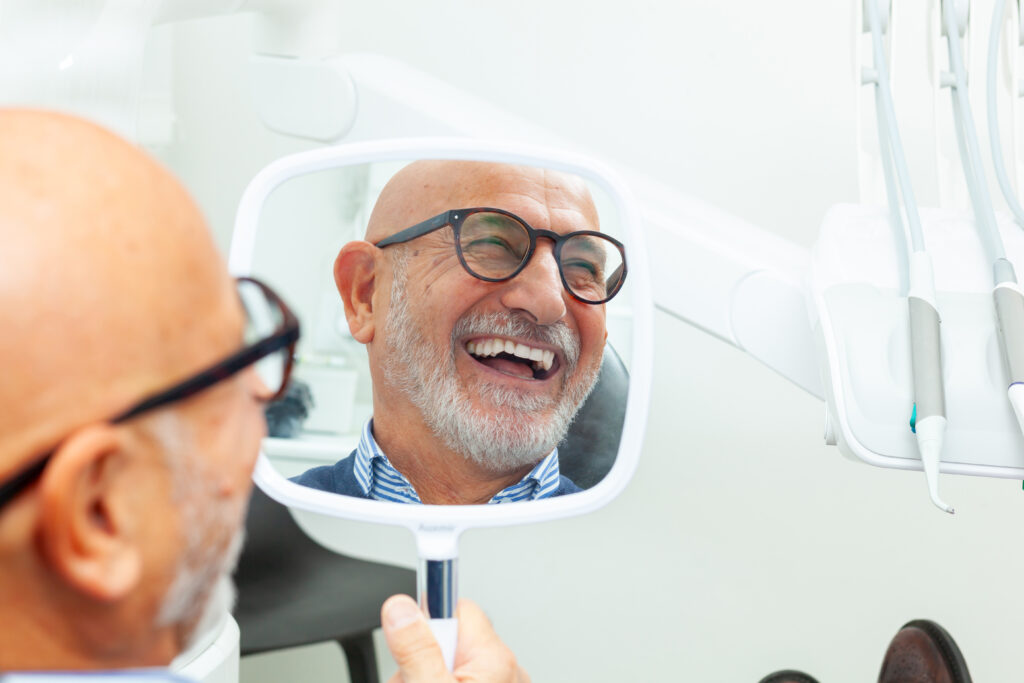
The dental impression landscape has fundamentally shifted as practices evaluate two distinct methodologies. Traditional alginate and polyvinyl siloxane molds have served dentistry for decades, while intraoral scanners now capture precise 3D data in minutes. Clinical studies demonstrate varying accuracy rates between these approaches, with each method presenting unique advantages for specific procedures. The choice between digital and conventional techniques impacts treatment outcomes, practice economics, and patient satisfaction in measurable ways.
How Traditional Dental Molds Work
Traditional dental molds rely on a physical impression technique that has remained fundamentally unchanged for decades. The process begins with selecting an appropriately sized impression tray, which is filled with alginate or polyvinyl siloxane material. The dentist places this tray over the patient’s teeth, applying controlled pressure while the material flows around dental structures. Patients must remain motionless for three to five minutes as the impression material sets.
Following removal, the negative impression undergoes plaster mold preparation. Dental laboratories perform dental stone mixing, combining gypsum powder with precise water ratios to achieve ideal consistency. The stone mixture is carefully poured into the impression, capturing every anatomical detail. After hardening for 30-60 minutes, technicians separate the positive model from the impression material, creating an exact replica for restoration fabrication.
The Technology Behind Digital Dental Impressions
The latest digital impression systems utilize advanced optical scanning technology to capture three-dimensional dental anatomy with submillimeter accuracy. These devices employ structured light projection or laser triangulation to map tooth surfaces, generating millions of data points within seconds. The scanning process creates detailed STL files that require significant data storage requirements, typically ranging from 50 to 200 megabytes per arch.
Modern systems facilitate seamless digital workflow integration, enabling immediate file transfer to laboratories through secure cloud platforms. This technology eliminates physical model shipping while maintaining HIPAA compliance. Real-time visualization allows practitioners to identify and correct scanning gaps instantly. The captured data interfaces directly with CAD/CAM software, streamlining crown, bridge, and aligner fabrication. Studies demonstrate digital impressions achieve accuracy levels of 20-48 micrometers, surpassing traditional materials.
Accuracy and Precision Comparison
When comparing measurement reliability between digital and traditional impression techniques, research consistently demonstrates superior marginal fit and dimensional stability with intraoral scanning systems. Digital impressions achieve accuracy levels within 20-48 micrometers, greatly outperforming conventional polyvinyl siloxane materials that typically exhibit deviations of 50-100 micrometers.
The margin of error in traditional impressions increases due to material shrinkage, distortion during removal, and expansion of stone models. Digital scanning eliminates these variables through direct data capture and mathematical reconstruction. Studies indicate that intraoral scanners maintain consistent precision across full-arch captures, whereas traditional methods show progressive accuracy degradation in posterior regions. In addition, digital systems enable immediate verification and selective rescanning of inadequate areas, ensuring ideal data quality before fabrication begins. This technological advantage translates to reduced remake rates and enhanced clinical outcomes for patients.
Patient Comfort and Experience
Beyond measurement accuracy, patient tolerance considerably influences impression technique selection in clinical practice. Digital scanning eliminates the physical discomfort associated with impression trays and materials, reducing gag reflex triggers and breathing difficulties. Studies demonstrate 87% of patients prefer intraoral scanning over conventional methods, citing improved chair side comfort and reduced anxiety.
Traditional impressions require patients to remain motionless for 3-5 minutes while material sets, often causing jaw fatigue and claustrophobia. Digital impressions capture data in 2-3 minutes through intermittent scanning, allowing rest periods. The absence of impression material taste and temperature sensitivity enhances patient convenience greatly.
Clinicians report fewer impression retakes with digital methods, minimizing appointment duration and patient stress. Digital technology particularly benefits pediatric, geriatric, and special needs populations who struggle with conventional impression tolerance.
Time and Efficiency in the Dental Office
While digital impression systems require significant upfront investment, their impact on clinical workflow efficiency transforms dental practice operations fundamentally. Digital scanning reduces chair time from 10-15 minutes for traditional impressions to 3-5 minutes per arch. Elimination of material setting time, tray selection, and remake appointments generates substantial productivity gains. Laboratory turnaround improves by 2-3 days without physical shipping requirements.
Staff training requirements differ markedly between methods. Traditional impression techniques demand extensive hands-on practice for proper tray loading, material mixing, and timing coordination. Digital systems require 8-12 hours of initial software training, followed by approximately 20 scanned cases to achieve proficiency. Once mastered, digital workflows reduce assistant preparation time by 70%, eliminate impression material inventory management, and decrease sterilization demands, allowing staff reallocation to patient care activities.
Cost Analysis for Dental Practices
The financial implications of adopting digital impression systems require careful evaluation of both initial capital expenditure and operational expenses. Equipment investment breakdown reveals scanner costs ranging from $15,000 to $40,000, plus annual software licensing fees of $3,000 to $5,000, while traditional impression materials and equipment require approximately $2,000 in startup costs. Per patient cost analysis demonstrates digital impressions average $8 to $12 per scan after amortization, compared to $25 to $35 for traditional polyvinyl siloxane impressions including materials, shipping, and remake rates.
Equipment Investment Breakdown
When dental practices evaluate the shift from traditional impression materials to digital scanning systems, the initial capital expenditure presents a significant financial consideration that directly impacts practice economics and patient care delivery. Digital intraoral scanners range from $15,000 to $40,000, while traditional impression setups require approximately $2,000 to $5,000. Equipment financing options include leasing programs, manufacturer payment plans, and practice loans with terms spanning 36 to 60 months. Digital systems demand annual software updates costing $1,500 to $3,000, whereas traditional methods incur recurring material expenses averaging $8,000 yearly. Equipment maintenance requirements differ substantially: digital scanners need calibration services and warranty coverage, while traditional systems require minimal upkeep. Return on investment typically occurs within 18 to 24 months for high-volume practices migrating to digital workflows.
Per Patient Costs
Beyond initial equipment investments, dental practices must evaluate the ongoing operational expenses associated with each impression method to determine true cost-effectiveness. Traditional impressions incur recurring material costs averaging $15-25 per patient, including alginate, impression trays, and disinfection supplies. Digital impressions eliminate material expenses but require software updates and occasional scanner tip replacements, translating to approximately $3-5 per patient when amortized.
Cost comparison analysis reveals digital systems achieve break-even after 800-1,200 procedures, depending on case volume. Budgeting considerations must account for reduced remake rates with digital impressions—studies demonstrate 7% versus 18% for traditional methods—significantly impacting profitability. Additionally, digital workflows eliminate model shipping costs and storage requirements, saving practices $8-12 per case. Time efficiency gains enable practitioners to accommodate 2-3 additional patients daily, substantially improving revenue potential while enhancing patient satisfaction through reduced chair time.
Storage and Record Management
Storage and record management presents distinct challenges and advantages for each impression method, with traditional stone models requiring dedicated physical storage space that can consume 200-400 square feet in an average practice, while digital files occupy minimal server space but demand robust cybersecurity infrastructure. Digital impressions enable immediate retrieval and duplication of patient records years after treatment, whereas physical models degrade over time and risk damage or loss during handling and storage. Both systems must comply with HIPAA regulations and state-mandated retention periods, though digital platforms facilitate encrypted transmission between specialists and laboratories while traditional models require physical transport and chain-of-custody documentation.
Physical Space Requirements
Traditional plaster and stone models require substantial physical storage infrastructure, with typical dental practices dedicating 50-150 square feet of climate-controlled space for model archiving. These models accumulate rapidly, necessitating organized shelving systems and regular inventory management to maintain accessibility. Each patient’s physical impressions demand dedicated storage slots, creating logistical challenges as practices grow.
Digital impressions eliminate these spatial constraints entirely through cloud-based storage systems. This space optimization transforms previously allocated storage areas into revenue-generating clinical space. Practices report converting former model rooms into additional operatories or consultation areas, directly impacting patient capacity. Digital workflow streamlining reduces retrieval time from minutes to seconds, as practitioners access historical records instantaneously from any workstation. The elimination of physical storage requirements represents significant overhead reduction while enhancing practice efficiency and patient service delivery.
Data Security Protocols
While digital storage eliminates physical space constraints, it introduces critical data protection responsibilities that practices must address through thorough security frameworks. Digital impression files contain protected health information requiring HIPAA-compliant encryption protocols during transmission and storage. Practices implement multi-factor authentication systems to control remote access security, enabling authorized personnel to retrieve patient data while preventing unauthorized entry. Data breach prevention strategies include automated backup systems, firewall configurations, and regular security audits to identify vulnerabilities. Cloud-based storage solutions must demonstrate SOC 2 Type II compliance and maintain redundant servers across geographic locations. Traditional physical molds face theft or loss risks, but digital records require continuous monitoring for cyber threats. Dental practices establish incident response protocols, conduct staff training on phishing recognition, and maintain audit logs documenting all system access attempts.
Long Term Accessibility
Most dental practices retain patient records for seven to ten years per regulatory requirements, making efficient retrieval systems essential for both digital impressions and traditional molds. Digital impressions offer superior long-term accessibility through cloud-based storage solutions and automated data backups, eliminating physical degradation concerns inherent in stone models. Practitioners can access patient files instantly via remote accessibility features, facilitating consultation and treatment planning across multiple locations.
Traditional molds require climate-controlled storage facilities, consuming valuable office space while remaining vulnerable to damage, loss, or deterioration. Physical retrieval necessitates manual searching through archived materials, increasing staff time and operational costs. Digital systems enable immediate record retrieval through searchable databases, supporting continuity of care when patients transfer between providers or require historical treatment references years later.
Best Use Cases for Each Method
When selecting between digital impressions and traditional molds, the clinical scenario and specific treatment requirements determine the ideal approach. Digital impressions excel in single-crown restorations, orthodontic planning, and implant cases requiring workflow streamlining through immediate file sharing with laboratories. Their precision benefits complex rehabilitations involving multiple units where occlusal relationships demand exact replication.
Traditional molds remain superior for complete dentures, extensive soft tissue capture, and situations where material durability of polyvinyl siloxane or polyether guarantees dimensional stability during extended storage. They prove indispensable when recording dynamic jaw movements or when patients present excessive saliva, blood, or limited mouth opening that compromises scanner accuracy. Economic considerations favor traditional methods in practices with lower case volumes where digital investment returns prove insufficient. Each method’s selection ultimately depends on practitioner expertise, case complexity, and patient-specific factors.
Frequently Asked Questions
Can Digital Impressions Be Used for Patients With Dental Implants or Bridges?
Digital impressions effectively capture implant supported restorations and bridge impressions with high accuracy. Intraoral scanners provide precise three-dimensional data for fabricating these prosthetics, offering patients reduced chair time and eliminating traditional impression material discomfort during treatment.
Are Digital Impression Files Compatible Between Different Dental Software Systems?
Digital impression files face compatibility challenges between dental software systems. While STL formats offer some interoperability, proprietary formats limit seamless transfer. Data security protocols and file format compatibility standards vary, requiring conversion processes that may compromise accuracy for patient treatment.
What Training Is Required for Dental Staff to Use Digital Impression Technology?
Dental staff require thorough instruction in proper dental imaging techniques, including scanner positioning and capture protocols. Continuing training for staff on digital systems guarantees proficiency with software updates, troubleshooting, and excellent scan quality for accurate restorations.
How Often Does Digital Impression Equipment Need Calibration or Maintenance?
Routine recalibration typically occurs annually or bi-annually, though manufacturers recommend regular equipment inspection monthly. Calibration frequency depends on usage volume, with high-volume practices requiring quarterly assessments to maintain accuracy standards essential for ideal patient outcomes.
Can Insurance Companies Access Digital Impression Files for Claim Verification?
Insurance companies typically cannot directly access digital impression files without provider authorization. Data security risks and regulatory compliance concerns under HIPAA require explicit patient consent and secure transmission protocols when sharing protected health information for claim verification purposes.