
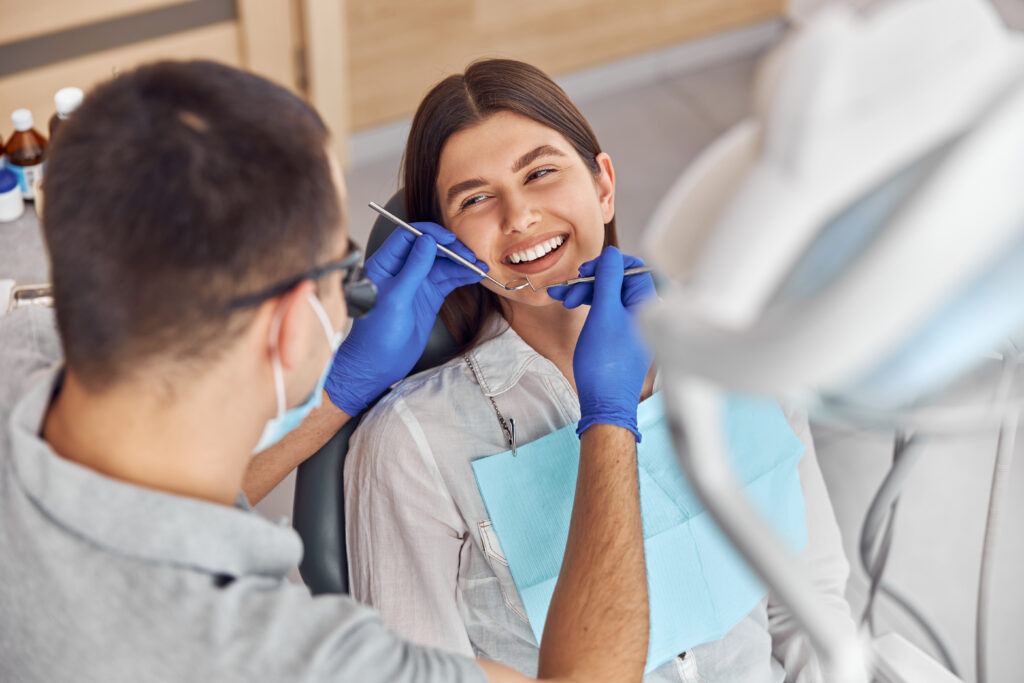
Oral hygiene practices directly influence periodontal health and caries prevention, yet numerous individuals inadvertently compromise their dental integrity through common procedural errors. Clinical evidence demonstrates that improper brushing techniques, inadequate interdental cleaning, and timing-related mistakes contribute to enamel erosion, gingival recession, and bacterial proliferation. Understanding these prevalent errors and their pathophysiological consequences enables implementation of evidence-based preventive strategies that substantially/considerably/markedly reduce oral disease incidence and preserve long-term dentition stability.
Brushing Too Hard or Using the Wrong Technique
Many individuals mistakenly believe that aggressive brushing guarantees cleaner teeth, yet excessive force damages enamel and causes gingival recession. Hard brushing impacts include accelerated tooth wear, cervical abrasions, and increased dentin hypersensitivity. Research demonstrates that medium pressure with proper technique removes plaque more effectively than forceful scrubbing.
Ideal brushing requires maintaining a 45-degree angle toward the gingival margin, employing gentle circular motions. Brushing angle variations substantially affect plaque removal efficacy and tissue health. Horizontal scrubbing motions concentrate destructive forces on specific tooth surfaces, creating wedge-shaped defects at the cervical region. The modified Bass technique, utilizing short vibratory strokes, disrupts biofilm formation without traumatizing periodontal structures. Dental professionals recommend soft-bristled toothbrushes combined with methodical, systematic cleaning patterns to preserve tooth structure while maintaining optimal oral hygiene.
Rinsing Immediately After Using Fluoride Toothpaste
Immediate post-brushing rinsing with water dilutes fluoride concentration and reduces its remineralization capacity on tooth enamel. Clinical evidence supports maintaining fluoride contact for at least 30 minutes following brushing to optimize its anticariogenic effects. Patients should either expectorate excess toothpaste without rinsing or utilize fluoride-containing mouthwashes as therapeutic alternatives to water rinsing.
Why Fluoride Needs Time
The majority of dental patients unknowingly compromise the therapeutic efficacy of fluoride toothpaste by rinsing their mouths immediately after brushing. This practice considerably reduces fluoride’s preventive benefits against dental caries.
Fluoride absorption into tooth enamel requires adequate contact time to achieve ideal remineralization. Research demonstrates that maintaining fluoride concentrations in oral fluids for 30 minutes post-brushing increases enamel resistance to acid attacks by 35%. The mechanism involves fluoride penetration into subsurface lesions, where it facilitates calcium and phosphate deposition within demineralized areas.
Clinical studies confirm that patients who avoid rinsing exhibit higher salivary fluoride levels and reduced caries incidence compared to immediate rinsers. Dental professionals recommend expectorating excess toothpaste without water rinsing, allowing residual fluoride to continue its therapeutic action throughout the oral cavity.
The 30-Minute Rule
Dental professionals establish a 30-minute waiting period following fluoride toothpaste application as the ideal interval for maximizing anticariogenic effects. This temporal threshold permits adequate fluoride substantivity on enamel surfaces while maintaining salivary clearance patterns. Research demonstrates that immediate rinsing reduces bioavailable fluoride concentrations by approximately 60-70%, greatly diminishing therapeutic efficacy.
The protocol requires patients to complete their preferred brushing duration of two minutes using proper brushing technique, followed by expectoration of excess toothpaste without water rinsing. Clinical studies indicate this approach maintains intraoral fluoride levels above the remineralization threshold (0.03-0.10 ppm) for extended periods. Premature rinsing disrupts the calcium fluoride reservoir formation essential for sustained caries prevention. Adherence to this evidence-based guideline enhances fluoride’s protective mechanisms against demineralization processes.
Better Rinsing Alternatives
When patients require mouth rinsing despite fluoride retention recommendations, utilizing fluoride-containing mouthwashes represents the ideal compromise between oral comfort and therapeutic efficacy. These formulations maintain therapeutic fluoride concentrations while addressing patient comfort concerns. Clinical evidence demonstrates that fluoride rinses preserve enamel remineralization benefits typically lost through immediate water rinsing.
Alternative oral hygiene devices offer additional solutions. Water flossers equipped with diluted fluoride rinse reservoirs provide interproximal cleaning without compromising topical fluoride effects. Similarly, powered toothbrushes with reduced water usage during post-brushing cycles minimize fluoride washout while maintaining adequate plaque removal.
Dental professionals should educate patients on proper sequencing: completing mechanical debridement first, followed by fluoride toothpaste application, then waiting before any rinsing procedure. This protocol maximizes both cleaning efficacy and preventive benefits.
Neglecting to Clean Your Tongue and Inner Cheeks
Although brushing teeth remains the cornerstone of oral hygiene routines, many individuals systematically overlook the bacterial reservoirs present on the tongue dorsum and buccal mucosa. The tongue harbors approximately 50% of oral bacteria, particularly within its papillae and posterior regions. Overlooking tongue cleaning permits anaerobic bacteria proliferation, contributing to halitosis and increased cariogenic potential.
Similarly, disregarding cheek hygiene allows biofilm accumulation along the buccal surfaces. These neglected areas serve as bacterial sanctuaries, recolonizing cleaned dental surfaces within hours post-brushing. Clinical studies demonstrate that all-inclusive oral hygiene incorporating tongue scraping reduces volatile sulfur compounds by 75% compared to tooth brushing alone. Mechanical debridement using dedicated tongue cleaners or soft-bristled brushes effectively disrupts microbial communities. Gentle circular motions along inner cheeks remove cellular debris and reduce pathogenic load.
Using an Old or Worn-Out Toothbrush
Dental professionals identify frayed, splayed, or matted bristles as primary indicators of toothbrush degradation that compromises plaque removal efficacy. The American Dental Association recommends toothbrush replacement every three to four months, or sooner when bristles lose their original shape and rigidity. Clinical studies demonstrate that worn toothbrushes remove 30% less plaque than new brushes, vastly increasing the risk of gingivitis and dental caries.
Bristle Damage Signs
As toothbrush bristles undergo repeated mechanical stress during daily oral hygiene routines, they exhibit progressive structural deterioration that compromises their cleaning effectiveness. Frayed bristles represent the most conspicuous indicator of toothbrush degradation, characterized by splayed fiber ends that deviate from their original perpendicular orientation. This morphological alteration reduces plaque removal efficiency by approximately 30% compared to intact bristles.
Bent bristles constitute another critical damage marker, manifesting as permanent angular deformations that prevent ideal tooth surface contact. These structural compromises typically emerge after 12-16 weeks of regular use, though aggressive brushing techniques accelerate deterioration. Additional warning signs include bristle discoloration, reduced elasticity, and matting patterns. Dental professionals recommend immediate toothbrush replacement upon observing these indicators to maintain adequate oral biofilm disruption and prevent inadequate plaque control.
Replacement Timeline Guidelines
Most dental professionals advocate toothbrush replacement every three to four months, though individual usage patterns and bristle quality greatly influence ideal replacement intervals. Clinical evidence demonstrates compromised plaque removal efficiency occurs when bristles exhibit permanent deformation beyond twelve weeks of regular use. Immunocompromised patients require accelerated replacement timeline intervals of four to six weeks to minimize bacterial colonization risks.
Electric toothbrush heads typically necessitate replacement timeline duration comparable to manual brushes, with manufacturer specifications ranging from eight to sixteen weeks. Post-illness replacement remains mandatory regardless of brush age, as pathogenic microorganisms persist within bristle matrices. Pediatric brushes demand more frequent replacement due to aggressive brushing behaviors and bristle damage from teething-related chewing. Dental practitioners emphasize visual inspection supersedes temporal guidelines when determining replacement necessity.
Flossing at the Wrong Time or Skipping It Entirely
When should individuals incorporate flossing into their daily oral hygiene routine? Research indicates that flossing before bedtime removes accumulated bacterial biofilm and food debris, preventing overnight proliferation of pathogenic microorganisms. The American Dental Association recommends daily flossing, yet studies show only 30% of adults comply with this guideline.
Improper flossing technique compounds the problem. Aggressive sawing motions traumatize gingival tissue, causing recession and bleeding. Correct methodology involves gentle C-shaped wrapping around each tooth surface, sliding beneath the gumline without force. Skipping interdental cleaning entirely allows plaque accumulation in areas comprising 40% of tooth surfaces, increasing periodontal disease risk by 70%. Systematic reviews demonstrate that regular flossing reduces gingivitis by 8% and interproximal caries incidence dramatically when performed correctly at consistent intervals.
Choosing the Wrong Toothpaste for Your Needs
The selection of dentifrice requires careful consideration of individual oral pathology and specific therapeutic needs. Patients frequently compromise dental health by selecting abrasive toothpastes containing high relative dentin abrasivity (RDA) values exceeding 100, leading to enamel erosion and dentin hypersensitivity. Clinical studies demonstrate that prolonged use of such formulations causes irreversible tooth structure loss, particularly at cervical regions.
Choosing whitening toothpastes without professional consultation represents another prevalent error. These products typically contain peroxide compounds or increased abrasive particles that may exacerbate existing conditions including recession, caries, or periodontal disease. Individuals with xerostomia require fluoride-enhanced, SLS-free formulations, while those with gingivitis benefit from triclosan-containing dentifrices. Evidence indicates that matching toothpaste composition to specific oral conditions substantially improves treatment outcomes and prevents iatrogenic damage from inappropriate product selection.
Brushing Right After Eating Acidic Foods
Why do dental professionals consistently observe increased enamel erosion in patients who brush immediately following acidic food consumption? Acidic foods temporarily soften tooth enamel through demineralization, creating a vulnerable surface susceptible to mechanical abrasion. When patients engage in avoiding immediate brushing, they permit salivary remineralization to restore enamel hardness.
Research demonstrates that the waiting period required spans approximately 30-60 minutes post-consumption of acidic substances. During this interval, salivary pH neutralization occurs, and calcium phosphate compounds redeposit onto tooth surfaces. Premature brushing during the demineralized state accelerates enamel loss by mechanically removing the softened hydroxyapatite matrix.
Dental practitioners recommend rinsing with water immediately after acidic exposure, followed by delayed brushing. This protocol minimizes erosive tooth wear while maintaining suitable plaque control, preserving long-term dental integrity.
Ignoring Signs of Gum Disease and Tooth Sensitivity
Beyond mechanical damage from improper brushing timing, periodontal inflammation and dentinal hypersensitivity represent frequently overlooked pathological conditions requiring prompt intervention. Patients commonly dismiss bleeding gingiva, tissue recession, and thermal sensitivity as transient phenomena rather than indicators of progressive disease states.
Clinical manifestations warranting immediate attention include persistent hemorrhaging during routine oral hygiene, gingival erythema, halitosis, and sharp pain responses to temperature variations. These symptoms indicate bacterial colonization within sulcular spaces and exposed dentin tubules. Monitoring gum inflammation through systematic observation enables early detection of periodontal pathology before irreversible attachment loss occurs.
Consulting dental professionals upon symptom onset facilitates timely diagnostic assessment and therapeutic intervention. Delayed treatment permits bacterial proliferation, alveolar bone resorption, and potential tooth loss. Professional evaluation determines appropriate antimicrobial protocols and desensitizing treatments.
Frequently Asked Questions
How Often Should I Visit the Dentist for Professional Cleanings?
Dental professionals recommend bi annual dental visits for ideal oral health maintenance. These appointments enable extensive examinations, professional plaque removal, and professional fluoride treatments. Evidence indicates twice-yearly cleanings greatly reduce periodontal disease risk and cavity formation.
Is Mouthwash Necessary for Good Oral Hygiene?
Mouthwash importance for oral health remains supplementary rather than essential. Clinical evidence demonstrates mouthwash efficacy enhances plaque reduction and gingivitis prevention when combined with mechanical cleaning. However, proper brushing and flossing constitute the fundamental requirements for ideal hygiene.
Can Electric Toothbrushes Clean Better Than Manual Ones?
Studies demonstrate electric toothbrushes remove markedly more plaque than manual alternatives when proper brushing techniques are employed. The oscillating-rotating mechanism provides superior gum stimulation, reducing gingivitis by 11% and plaque by 21% according to systematic reviews.
What Foods Naturally Help Strengthen Teeth and Prevent Cavities?
Calcium-rich cheese based snacks stimulate salivary flow while providing remineralization minerals. Fibrous, crunchy vegetables mechanically cleanse tooth surfaces during mastication. Dairy products containing casein phosphopeptides demonstrate cariostatic properties through enamel remineralization processes in clinical studies.
Should Children Use the Same Oral Hygiene Routine as Adults?
Children require customized oral hygiene routines distinct from adults due to developmental dental needs. Pediatric protocols emphasize fluoride concentration adjustments, age-appropriate brushing techniques, and supervision requirements. Primary dentition necessitates modified approaches compared to permanent teeth care.