
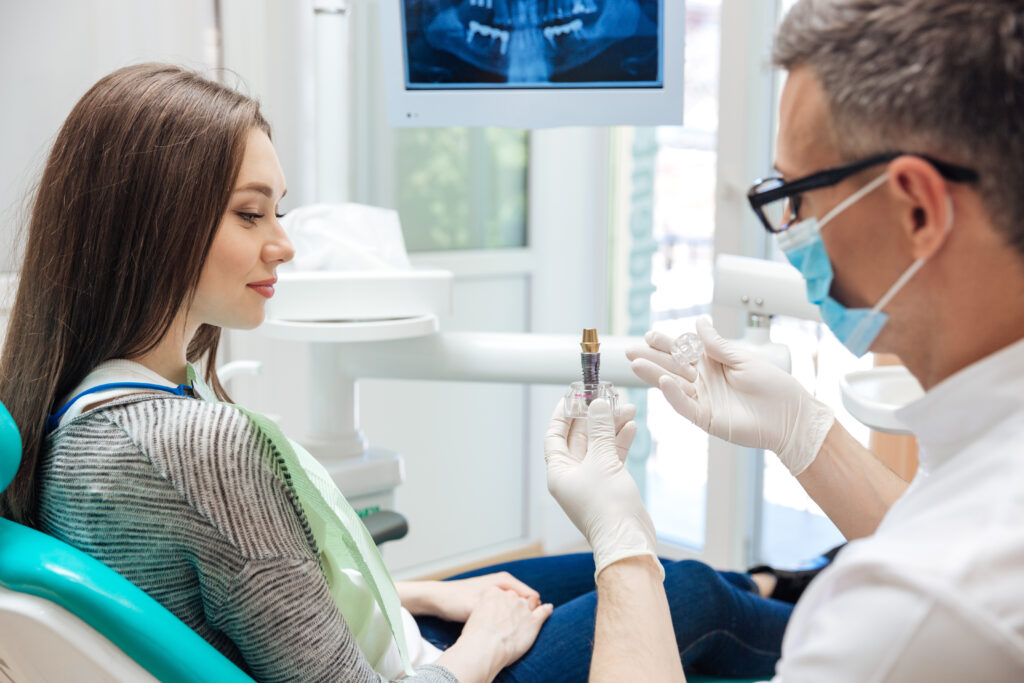
Dental implant candidacy requires systematic evaluation of multiple anatomical and physiological parameters. The alveolar bone must possess sufficient vertical height and horizontal width to accommodate titanium fixtures. Osseointegration success depends on bone density, systemic health markers, and absence of contraindications such as uncontrolled metabolic disorders. Critical factors including periodontal status, occlusal forces, and parafunctional habits directly influence treatment outcomes. These complex variables determine whether implant therapy represents a viable restorative option.
Essential Jawbone Requirements for Successful Implant Placement
When evaluating candidacy for dental implant placement, clinicians must assess specific jawbone parameters that directly influence osseointegration and long-term implant stability. Adequate bone structure requires minimum vertical height of 10-12mm and horizontal width of 5-7mm at the proposed implant site. The cortical plate thickness and trabecular bone density determine primary stability during surgical placement.
Appropriate bone volume guarantees complete implant coverage without fenestration or dehiscence defects. Radiographic evaluation through cone-beam computed tomography provides three-dimensional measurements of available bone dimensions, identifying anatomical limitations such as maxillary sinus proximity or inferior alveolar nerve position. Patients presenting with insufficient bone quantity may require augmentation procedures including guided bone regeneration, sinus elevation, or block grafting before implant placement. Quality classifications range from Type I (dense cortical) to Type IV (low-density trabecular), each requiring modified surgical protocols.
Medical Conditions That May Affect Your Eligibility
Several systemic medical conditions directly compromise the osseointegration process and long-term stability of dental implants. Uncontrolled diabetes with glycated hemoglobin levels exceeding 7.0% impairs neutrophil function and collagen synthesis, resulting in delayed wound healing and increased periimplantitis risk. Cardiovascular disease requiring anticoagulant therapy and osteoporotic conditions with T-scores below -2.5 necessitate modified surgical protocols and may contraindicate immediate loading procedures.
Uncontrolled Diabetes Impact
Uncontrolled diabetes considerably compromises osseointegration through multiple pathophysiological mechanisms that impair bone metabolism and wound healing. Hyperglycemia disrupts osteoblast function while accelerating osteoclast activity, creating an unfavorable bone remodeling environment. Advanced glycation end-products accumulate in periimplant tissues, diminishing collagen cross-linking and reducing tensile strength of the bone-implant interface.
Patients with hemoglobin A1c levels exceeding 8% demonstrate implant failure rates approaching 20%, compared to 3-5% in normoglycemic individuals. Microvascular complications further exacerbate healing deficits through reduced tissue perfusion and impaired neutrophil chemotaxis. However, patients achieving glycemic control through medication management and dietary control can drastically improve candidacy. Stabilization of blood glucose levels below 180 mg/dL postprandially and maintaining A1c under 7% for three months preoperatively substantially reduces periimplantitis risk and enhances osseointegration success rates.
Bone Density Requirements
Type IV bone classification, characterized by sparse trabeculation and thin cortical plates, demonstrates markedly reduced success rates below 85%. Patients presenting inadequate density parameters require augmentation procedures including guided bone regeneration, sinus elevation, or ridge expansion techniques before implant consideration. Pharmacological agents affecting bone metabolism, particularly bisphosphonates and denosumab, necessitate specialized protocols.
Heart Disease Considerations
When cardiovascular pathology compromises hemodynamic stability or necessitates anticoagulation therapy, dental implant placement requires multidisciplinary coordination between implantology and cardiology specialists. Patients with recent myocardial infarction must defer surgery for six months post-event. Unstable angina, decompensated heart failure, and severe valvular disease constitute absolute contraindications until cardiac ideal occurs.
Heart condition management protocols mandate perioperative monitoring of crucial parameters and potential prophylactic antibiotic administration for patients with prosthetic valves or endocarditis history. Medication interactions between cardiac pharmaceuticals and dental anesthetics require careful evaluation. Beta-blockers may potentiate epinephrine-induced hypertension, while calcium channel blockers can amplify gingival hyperplasia. Antiplatelet agents necessitate bleeding time assessment and possible dosage modification. Warfarin therapy requires INR stabilization below 3.5 before surgical intervention. Cardiologist clearance remains essential for perfect treatment planning and risk stratification.
Age Considerations and Timing for Dental Implants
Dental implant placement requires complete skeletal maturation and cessation of jaw growth, typically occurring between ages 17-21 in females and 18-25 in males, with panoramic radiographs and serial cephalometric analysis confirming growth plate closure. Advanced chronological age presents no contraindication to implant therapy provided patients maintain adequate bone density of at least 350 Hounsfield units, sufficient keratinized gingival width of 2mm or greater, and systemic health parameters compatible with osseointegration. The temporal window for implant placement following tooth extraction ranges from immediate placement in intact socket walls with primary stability of 35 Ncm to delayed protocols at 12-16 weeks post-extraction when complete soft tissue closure and partial bone remodeling optimize site conditions.
Minimum Age Requirements
Although dental implants offer superior tooth replacement outcomes, their placement in pediatric and adolescent patients requires careful consideration of skeletal maturation and jaw development. The minimum age for implant placement typically coincides with cessation of craniofacial growth, generally occurring between 17-21 years in females and 18-25 years in males. Premature implantation during active skeletal development results in infraocclusion as surrounding alveolar bone continues vertical and transverse expansion while the osseointegrated implant remains static. Clinicians assess growth completion through serial cephalometric radiographs taken 6-12 months apart, confirming stable measurements. Hand-wrist radiographs evaluate epiphyseal plate closure as supplementary indicators of skeletal maturity. Exceptional circumstances involving congenital tooth absence or severe trauma may warrant earlier intervention with provisional restorations until growth cessation permits definitive implant placement.
Senior Patient Suitability
While younger patients face restrictions due to ongoing skeletal development, advanced age alone does not contraindicate dental implant therapy, provided patients meet specific physiological and systemic health criteria. Senior age factors requiring evaluation include bone density measurements, healing capacity assessment, and medication interactions affecting osseointegration. Comprehensive dental history review reveals cumulative periodontal damage, previous restorative failures, and existing prosthetic adaptations that influence treatment planning.
Geriatric patients demonstrate comparable implant success rates when systemic conditions remain controlled. Critical considerations encompass cardiovascular stability, glycemic regulation in diabetic patients, and bisphosphonate therapy duration. Manual dexterity evaluation determines maintenance capability, while cognitive assessment guarantees informed consent validity. Bone augmentation procedures may address age-related resorption patterns. Treatment modifications include extended healing periods, staged surgical approaches, and simplified prosthetic designs accommodating reduced neuromuscular coordination.
Optimal Timing Factors
When should clinicians schedule implant placement relative to tooth extraction and patient developmental milestones? Ideal timing depends on multiple physiological parameters. For adolescent patients, implant placement must occur after complete jaw maturation—typically age 17-18 for females and 18-21 for males. Premature placement risks infraocclusion as surrounding alveolar structures continue developing.
Following extraction, clinicians evaluate three temporal protocols: immediate placement (same day), early placement (4-8 weeks), or delayed placement (3-6 months). Immediate placement requires adequate bone volume surrounding the extraction socket and absence of acute infection. Early placement allows soft tissue healing while preserving sufficient bone height. Delayed placement permits complete socket healing but may necessitate bone grafting if resorption compromises implant site dimensions. Each protocol demands radiographic assessment confirming minimum bone requirements: 10mm height and 6mm buccolingual width for standard diameter implants.
The Impact of Smoking and Lifestyle Habits on Implant Success
Multiple lifestyle factors drastically influence the osseointegration process and long-term stability of dental implants, with smoking representing the most detrimental modifiable risk factor. Nicotine addiction compromises peripheral blood circulation, reducing oxygen delivery to peri-implant tissues and impairing fibroblast function essential for wound healing. Smoking doubles implant failure rates, particularly during the critical initial healing phase when bone-to-implant contact establishes.
Concurrent periodontal disease, often exacerbated by tobacco use, creates bacterial reservoirs that threaten implant survival through peri-implantitis development. Additional lifestyle considerations include uncontrolled bruxism, which generates excessive occlusal forces exceeding implant load tolerance, and poor oral hygiene practices that facilitate biofilm accumulation. Alcohol consumption impairs osteoblast proliferation, while recreational drug use compromises immune response. Clinicians must evaluate these modifiable factors thoroughly before proceeding with implant placement.
Oral Health Standards You Need to Meet
Beyond lifestyle modifications, prospective implant candidates must satisfy specific oral health parameters that directly correlate with surgical outcomes and prosthetic longevity. Adequate gum health status requires periodontal tissues free from active infection, with probing depths measuring less than 4mm and minimal bleeding upon examination. Patients must demonstrate consistent oral hygiene habits, including twice-daily brushing with fluoridated dentifrice and interproximal cleaning through flossing or interdental brushes.
Clinicians evaluate keratinized gingiva width, requiring minimum 2mm surrounding the proposed implant site. Existing dentition must exhibit stability without untreated caries or periapical pathology. Salivary flow rates should exceed 0.1ml/minute to prevent xerostomia-related complications. Patients displaying chronic gingivitis or periodontitis require complete resolution through scaling, root planing, and antimicrobial therapy before implant consideration. These baseline standards guarantee favorable osseointegration conditions.
Financial Planning and Insurance Coverage Options
Most dental insurance policies categorize implant procedures as elective or cosmetic treatments, resulting in coverage limitations ranging from complete exclusion to partial reimbursement capped at $1,000-$2,500 annually. Patients must evaluate their specific insurance coverage types, distinguishing between traditional indemnity plans, PPO networks, and HMO restrictions. Major medical insurance occasionally covers implants following traumatic injury or congenital defects affecting mandibular or maxillary structures.
Financial alternatives include healthcare-specific payment plans through third-party providers offering 6-24 month terms with variable interest rates. Dental practices frequently structure internal financing arrangements, dividing total treatment costs across surgical placement, abutment connection, and prosthetic restoration phases. Health savings accounts (HSAs) and flexible spending accounts (FSAs) provide pre-tax funding mechanisms for implant procedures. Patients should obtain detailed cost breakdowns encompassing CT imaging, bone grafting requirements, and laboratory fees before committing to treatment protocols.
The Consultation Process and Pre-Treatment Evaluation
When patients initiate dental implant consultation, thorough oral examination protocols establish baseline documentation through panoramic radiographs, periapical films, and cone-beam computed tomography (CBCT) imaging capturing three-dimensional osseous architecture. Clinical assessment evaluates periodontal status, occlusal relationships, and existing restorative conditions while documenting keratinized tissue width and vestibular depth measurements.
The patient’s dental history reveals previous extractions, periodontal treatments, and failed restorations influencing implant positioning strategies. Comprehensive review examines systemic conditions, medications affecting osseointegration, and tobacco usage patterns. Current oral health status determines prerequisite treatments addressing active caries, endodontic pathology, or periodontal disease before implant placement.
Laboratory diagnostics include complete blood count, coagulation studies, and glycemic control markers when indicated. Diagnostic wax-ups and surgical guides facilitate precise implant angulation relative to prosthetic requirements, ensuring ideal biomechanical loading patterns.
Alternative Solutions When Implants Aren’t Suitable
How do clinicians determine ideal restorative pathways when osseous insufficiency, systemic contraindications, or financial constraints preclude implant placement? Thorough assessment guides treatment selection toward viable prosthetic alternatives.
Fixed bridge alternatives represent conventional solutions for single or multiple edentulous spaces. Three-unit bridges utilize adjacent abutment teeth for support, requiring irreversible preparation of healthy dental structure. Maryland bridges preserve tooth structure through resin-bonded wings, though mechanical retention limits longevity.
Removable dentures offer economical rehabilitation for extensive edentulism. Complete dentures rely on mucosal support and atmospheric pressure, while partial frameworks engage remaining dentition through precision attachments or clasps. Modern thermoplastic materials enhance comfort and aesthetics.
Clinicians evaluate periodontal status, occlusal dynamics, and patient compliance when selecting non-implant restorations. Each modality presents distinct biomechanical characteristics affecting masticatory function and maintenance requirements.
Frequently Asked Questions
How Long Does the Entire Dental Implant Process Take From Start to Finish?
The average timeline for complete dental implant procedures spans three to six months. Implant procedure duration includes osseointegration phases requiring 3-4 months for mandibular integration and 5-6 months for maxillary bone fusion before final restoration placement.
Can I Get Dental Implants if I Grind My Teeth at Night?
Patients with nocturnal bruxism can receive dental implants following extensive night bruxism management protocols. Clinicians mandate occlusal guard fabrication for teeth grinding prevention, protecting implant-supported prostheses from excessive parafunctional forces that compromise osseointegration and restoration longevity.
Will Dental Implants Feel Different From My Natural Teeth?
Dental implants exhibit minimal proprioceptive variance from natural dentition. The osseointegrated titanium fixture transmits comparable chewing sensation through surrounding bone. Aesthetic appearance achieves indistinguishable replication when prosthetic crowns match adjacent tooth morphology and translucency characteristics.
How Many Dental Implants Can Be Placed in One Appointment?
Multiple implants can be placed during single stage implant placement procedures, with full-arch restorations accommodating 4-8 fixtures per jaw. Immediate implant loading protocols permit same-day provisional restoration attachment, though osseointegration requirements and anatomical considerations ultimately determine case-specific limitations.
What Is the Success Rate of Dental Implants?
Dental implants demonstrate 95-98% success rates over ten-year periods, with implant failure rates remaining below 5% when proper osseointegration occurs. The cost effectiveness of implants surpasses alternative restorations due to superior longevity and predictable clinical outcomes.