
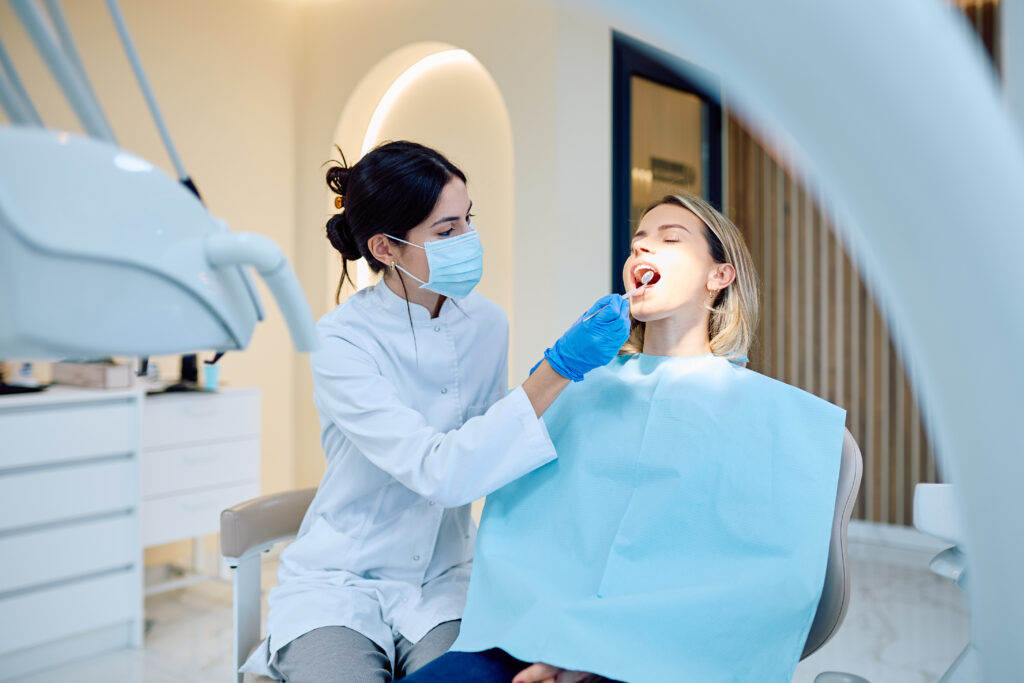
Dental emergencies strike without warning and demand swift professional intervention. Certain oral conditions pose serious risks if left untreated, including systemic infection, permanent tooth loss, and irreversible nerve damage. Distinguishing between true emergencies requiring immediate care and problems that can wait for regular appointments proves critical for proper treatment outcomes. The difference between acting quickly and delaying care often determines whether a tooth can be saved or extensive procedures become necessary.
Severe Tooth Pain That Won’t Subside With Over-The-Counter Medication
When severe dental pain persists despite appropriate doses of over-the-counter analgesics such as ibuprofen or acetaminophen, immediate professional intervention becomes necessary. This unrelenting discomfort often indicates serious underlying pathology requiring urgent treatment.
Persistent pain may signal advanced dental infection, abscess formation, or irreversible pulpitis. These conditions can rapidly progress, potentially leading to systemic complications. Emergency evaluation becomes critical when pain intensifies at night, disrupts sleep, or radiates to adjacent structures.
Warning signs accompanying severe pain include tender swelling gums, facial asymmetry, fever, or difficulty swallowing. Food particles stuck in cavities or periodontal pockets can exacerbate inflammation, triggering acute episodes. Patients experiencing continuous throbbing pain, temperature sensitivity, or pressure-induced discomfort should seek emergency dental care within 24 hours to prevent further deterioration and preserve tooth viability.
Knocked-Out or Completely Dislodged Teeth
A completely dislodged tooth constitutes a dental emergency requiring urgent professional intervention within 30 to 60 minutes for ideal chances of successful reimplantation. The patient or caregiver must handle the tooth by its crown only, gently rinse it with saline or milk if contaminated, and attempt to reinsert it into the socket or store it in milk, saliva, or specialized tooth preservation medium during transport. Time remains the most critical factor in tooth survival, as periodontal ligament cells begin to die after one hour outside the oral environment.
Immediate Action Steps
How quickly one responds to a knocked-out tooth determines the likelihood of successful reimplantation. These time sensitive situations require immediate, methodical intervention within the first 30-60 minutes for ideal outcomes.
The individual should handle the tooth exclusively by its crown, avoiding contact with the root surface. Any visible debris requires gentle rinsing with saline solution or milk—never water or cleaning agents. The tooth must remain moist through reimplantation into the socket, storage in milk, or placement between the cheek and gum.
Applying gauze with gentle pressure controls bleeding while maintaining socket integrity. Ice packs reduce swelling but should not contact the tooth directly. These urgent dental needs demand concurrent emergency dental contact while executing preservation steps. Delaying professional intervention beyond one hour greatly diminishes reimplantation success rates.
Preservation and Storage
Proper preservation techniques following tooth avulsion directly impact cellular viability and reattachment potential. The periodontal ligament cells covering the root surface remain viable for approximately 60 minutes when stored correctly. Ideal preservation methods include placing the tooth in specialized storage media such as Hank’s Balanced Salt Solution, available in tooth preservation kits. Alternative storage requirements specify using cold milk, saline solution, or the patient’s saliva if commercial products remain unavailable.
The avulsed tooth should never undergo scrubbing, chemical disinfection, or air-drying, as these actions destroy delicate cellular structures. Root surface manipulation must be minimized. Storage in water proves detrimental due to hypotonic cell damage. Ice placement directly against tooth tissue causes cellular necrosis. Proper temperature maintenance between 4-37°C preserves cellular metabolism while preventing bacterial proliferation during transport.
Cracked, Broken, or Fractured Teeth With Exposed Nerves
When dental trauma results in cracked, broken, or fractured teeth with exposed nerves, immediate emergency dental care becomes essential to prevent irreversible damage and severe complications. Traumatic dental injury affecting the tooth’s structural integrity often leads to root canal exposure, creating direct pathways for bacterial infiltration into the pulp chamber. Exposed dental nerves generate intense, persistent pain that radiates throughout the jaw and face, accompanied by extreme sensitivity to temperature variations and air exposure.
Emergency intervention focuses on protecting exposed nerve tissue, controlling infection risk, and preserving tooth viability. Treatment protocols may include temporary sealants, antibiotics, and pain management before definitive restoration. Delayed treatment increases risks of abscess formation, pulp necrosis, and tooth loss. Patients experiencing visible nerve exposure require immediate professional assessment to determine salvageability and prevent systemic complications.
Signs of Dental Infection Including Abscesses and Facial Swelling
Where bacterial invasion penetrates dental structures, infection manifests through distinct clinical indicators requiring urgent professional evaluation. Dental abscesses present as localized swelling containing purulent material, typically accompanied by throbbing pain, fever, and lymphadenopathy. Periapical infections may progress to cellulitis, causing facial asymmetry and potential airway compromise.
Critical warning signs include progressive facial edema, trismus, dysphagia, and mouth discoloration indicating tissue necrosis. Patients often report sensitive gums surrounding infected teeth, malodorous discharge, and systemic symptoms including malaise and elevated temperature. Ludwig’s angina represents a life-threatening complication requiring immediate intervention.
Emergency assessment becomes mandatory when swelling extends beyond the oral cavity, compromises breathing or swallowing, or presents with constitutional symptoms. Delayed treatment risks bacteremia, osteomyelitis, and sepsis. Immediate antibiotic therapy and surgical drainage constitute primary interventions for established infections.
Uncontrolled Bleeding From the Mouth or Gums
Three distinct categories of oral hemorrhage warrant emergency dental intervention: traumatic bleeding exceeding twenty minutes despite direct pressure, spontaneous gingival hemorrhage unresponsive to conventional hemostatic measures, and post-procedural bleeding persisting beyond expected healing parameters. Intense gum bleeding often indicates underlying coagulopathy, advanced periodontal disease, or vascular anomalies requiring immediate assessment. Heavy oral hemorrhage compromises airway patency through blood aspiration risk and may signal systemic bleeding disorders. Emergency dentists evaluate hemorrhage severity through blood loss volume, clot stability, and crucial sign monitoring. Treatment protocols include local hemostatic agents, suturing, cauterization, and systemic interventions when indicated. Patients experiencing uncontrolled oral bleeding should maintain upright positioning, apply gauze compression, and seek immediate emergency dental care. Delayed intervention risks hypovolemic complications and permanent tissue damage.
Jaw Injuries and Suspected Fractures
How does one recognize a jaw fracture requiring emergency dental intervention? Patients experiencing severe jaw pain, difficulty opening or closing the mouth, facial swelling, or misaligned teeth following trauma should seek immediate care. Visible deformity, numbness in the lower lip or chin, and bleeding from the ear canal indicate potential fractures requiring urgent evaluation.
Fractured jaw treatment depends on severity and location. Simple fractures may require immobilization through wiring or elastic bands, while complex breaks necessitate surgical intervention with plates and screws. Jaw dislocation concerns include inability to close the mouth, severe pain, and drooling. Manual reduction by trained professionals addresses most dislocations, though recurrent cases may require surgical stabilization. Delayed treatment risks infection, permanent nerve damage, and compromised healing, making prompt emergency dental consultation essential for ideal outcomes.
Lost Fillings, Crowns, or Dental Restorations Causing Pain
Lost dental restorations expose sensitive tooth structures to bacteria, temperature changes, and mechanical irritation, often resulting in significant discomfort that requires prompt attention. Patients experiencing pain from missing fillings or crowns should implement temporary protective measures while arranging emergency dental care to prevent further tooth damage or infection. Delaying professional treatment increases the risk of irreversible pulp damage, tooth fracture, and the need for more extensive restorative procedures.
Immediate Pain Management
When dental restorations fail unexpectedly, the resulting exposed tooth structure can trigger severe pain that demands prompt intervention. The exposed dentin contains microscopic tubules leading directly to nerve endings, creating heightened sensitivity to temperature, pressure, and air exposure.
Effective pain relief methods include applying clove oil directly to the affected area, which contains eugenol, a natural anesthetic compound. Over-the-counter analgesics such as ibuprofen (400-600mg) provide anti-inflammatory benefits superior to acetaminophen alone. Temporary dental cement, available at pharmacies, can seal exposed surfaces until professional treatment.
Self care strategies involve avoiding temperature extremes, chewing on the opposite side, and maintaining oral hygiene despite discomfort. Rinsing with warm salt water reduces bacterial load and inflammation. These measures serve as temporary solutions while awaiting emergency dental evaluation within 24-48 hours.
Temporary Home Solutions
Several temporary materials and techniques can stabilize compromised dental restorations until professional care becomes accessible. Dental cement, available at most pharmacies, provides temporary coverage for exposed tooth structures after crown or filling loss. Sugar-free gum can serve as an emergency sealant for small cavities or gaps. Basic tooth repair using these materials prevents further damage and reduces sensitivity to temperature changes.
Patients should never attempt home tooth extraction, regardless of pain severity or restoration failure. Such procedures risk permanent nerve damage, severe bleeding, and infection. Instead, loose restorations should be carefully removed and stored if intact. Exposed areas require gentle cleaning with warm saltwater before applying temporary materials. These measures offer short-term relief but cannot replace professional intervention. Emergency dental consultation remains essential within 24-48 hours to prevent complications and guarantee proper restoration replacement.
Risks of Delays
Delaying professional treatment after restoration failure exposes patients to progressive dental deterioration and systemic health complications. Exposed tooth structures become vulnerable to bacterial infiltration, leading to pulp infection, abscess formation, and potential jaw bone involvement. Without proper sealing, decay accelerates beneath compromised restorations, often necessitating more invasive procedures than initially required.
Managing discomfort through temporary measures provides inadequate protection against bacterial colonization. Temperature sensitivity intensifies as dentin tubules remain exposed, while sharp edges from broken restorations lacerate soft tissues, creating secondary infection sites. Preventing complications requires prompt professional intervention to restore structural integrity and eliminate bacterial reservoirs.
Extended delays transform manageable restoration replacements into root canals, extractions, or surgical interventions. Additionally, untreated dental infections risk spreading to facial spaces, potentially causing cellulitis, sinusitis, or rare but serious systemic complications affecting cardiovascular health.
When to Wait for Your Regular Dentist Instead of Seeking Emergency Care
How can patients distinguish between urgent dental issues and those that can safely wait for a scheduled appointment? Minor toothaches without facial swelling, small chips in teeth without exposed nerves, and lost fillings causing minimal discomfort typically warrant delaying appointments until regular office hours. Patients experiencing mild sensitivity to temperature changes, minor gum irritation, or dull intermittent pain can employ managing pain temporarily through over-the-counter analgesics and cold compresses.
Non-urgent conditions include routine bleeding during flossing, food lodged between teeth, and broken dental appliances that cause no tissue damage. Cosmetic concerns such as stained teeth or loose veneers also permit waiting. Healthcare providers recommend scheduling standard appointments for these issues rather than utilizing emergency services. This approach guarantees appropriate resource allocation while maintaining ideal patient outcomes through extensive treatment during regular consultations.
Frequently Asked Questions
How Much Does Emergency Dental Treatment Typically Cost Without Insurance?
Emergency dental treatment without insurance typically ranges from $75-$300 for examinations to $1,000-$3,000 for complex procedures. Most facilities offer payment plan availability and various financing options for treatment to help patients manage unexpected dental expenses.
Can I Go to a Hospital Emergency Room for Dental Problems?
Hospital emergency rooms treat severe dental infections and trauma but typically provide only pain management and antibiotics. Patients seeking alternative options should consider visiting a walk-in clinic or urgent care facility for non-life-threatening dental issues requiring immediate attention.
What Should I Bring to an Emergency Dental Appointment?
Patients should bring personal identification, insurance cards, medical history documentation, current medication list, and any relevant dental records. Previous dental equipment like retainers or broken prosthetics should accompany the patient. Payment methods and emergency contact information are essential.
Do Emergency Dentists Accept Payment Plans or Financing Options?
Many emergency dentists accept payment plans and financing options through third-party providers like CareCredit or in-house arrangements. Patients should inquire about available financial assistance programs, installment agreements, and credit terms before receiving treatment when possible.
Are Emergency Dental Services Available on Weekends and Holidays?
Many emergency dental facilities operate during weekends and holidays to address unexpected dental issues. These services guarantee patients with urgent dental needs receive timely treatment outside regular business hours, though availability varies by location and provider network.