
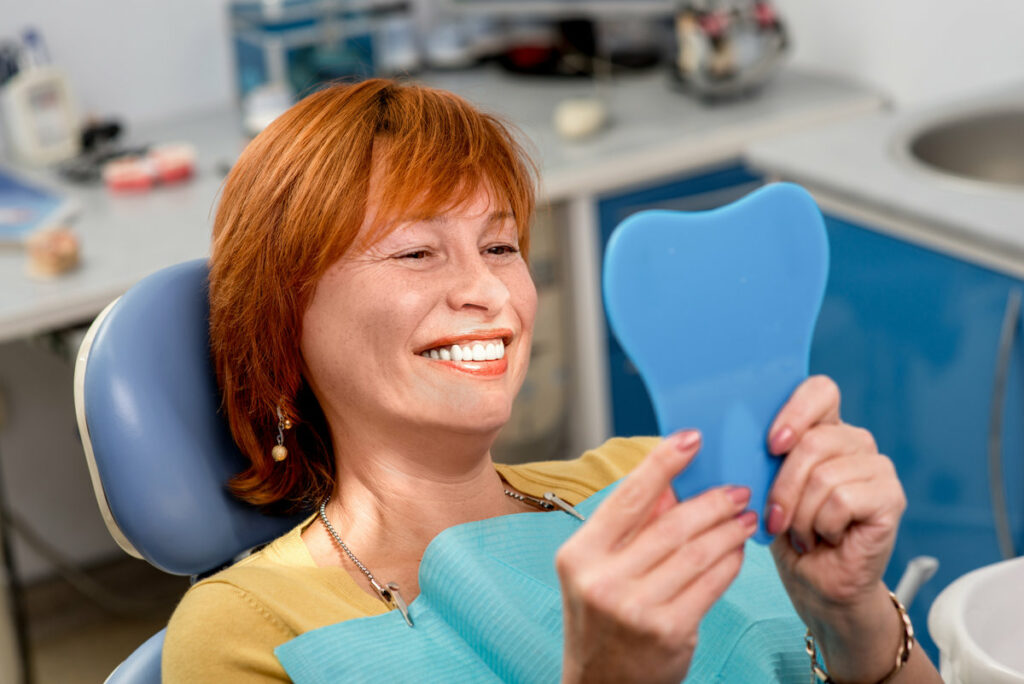
Scaling and root planing represents a critical intervention for patients diagnosed with periodontal disease. This non-surgical procedure removes bacterial deposits from tooth surfaces below the gumline through systematic debridement. The treatment addresses inflammation, bleeding, and pocket formation that characterize advancing gum disease. Understanding the procedural components, recovery timeline, and expected outcomes enables patients to prepare adequately. The distinction between routine prophylaxis and this therapeutic intervention proves essential for treatment success.
Why Your Dentist Recommends Scaling and Root Planing
When periodontal disease progresses beyond gingivitis, dentists recommend scaling and root planing as the primary non-surgical intervention to halt tissue destruction and restore periodontal health. This procedure addresses bacterial colonization beneath the gumline where standard prophylaxis cannot reach. Clinicians identify candidates through extensive periodontal examinations revealing pocket depths exceeding 4mm, radiographic bone loss, and clinical attachment loss.
The importance of oral health extends beyond aesthetics, as untreated periodontitis correlates with systemic conditions including cardiovascular disease and diabetes. The benefits of deep cleaning include bacterial biofilm disruption, calculus removal, and cementum detoxification, creating an environment conducive to tissue reattachment. Scaling eliminates supragingival and subgingival deposits, while root planing smooths root surfaces to prevent bacterial recolonization. This therapeutic intervention typically achieves pocket depth reduction of 1-2mm and promotes epithelial attachment regeneration.
The Difference Between Regular Cleaning and Deep Cleaning
Although both procedures remove bacterial deposits from teeth, prophylactic cleaning and periodontal scaling/root planing differ fundamentally in their therapeutic objectives, instrumentation depths, and clinical indications. Routine prophylactic cleanings target supragingival plaque removal and calculus elimination above the gumline, typically addressing healthy patients with minimal periodontal involvement. These preventive procedures occur biannually and require standard ultrasonic scalers or hand instruments.
Conversely, scaling and root planing penetrates subgingival pockets exceeding 4mm, systematically debriding tartar buildup from root surfaces while eliminating bacterial endotoxins embedded within cementum. This therapeutic intervention necessitates local anesthesia, specialized curettes, and multiple appointments segmented by quadrants. Deep cleaning addresses active periodontal disease, whereas regular cleanings maintain oral health in periodontally stable patients. The distinction determines treatment planning, insurance coding, and post-procedural maintenance protocols.
How the Procedure Works Step by Step
The systematic approach to scaling and root planing begins with extensive periodontal charting to map pocket depths, recession patterns, and attachment loss throughout the dentition. Following assessment, the clinician administers local anesthesia to guarantee patient comfort during the procedure.
The technique used involves ultrasonic scalers to disrupt bacterial biofilm and remove supragingival calculus. Hand instruments, including area-specific curettes, then address subgingival deposits through controlled strokes. Root planing smooths cementum irregularities, eliminating bacterial toxins embedded within root surfaces.
Preparation required includes pre-procedural antimicrobial rinses and establishing proper isolation. The procedure typically requires quadrant-by-quadrant treatment over multiple appointments. Post-instrumentation irrigation with antimicrobial solutions flushes residual debris. The clinician concludes by polishing exposed surfaces and providing detailed home care instructions for ideal healing.
Pain Management and Anesthesia Options During Treatment
Effective pain control during scaling and root planing typically involves administration of local anesthetics such as lidocaine, articaine, or mepivacaine via infiltration or nerve block techniques. The dental practitioner selects the appropriate anesthetic agent based on procedure duration, patient medical history, and the extent of periodontal involvement requiring treatment. Post-procedural discomfort management protocols may include prescription of non-steroidal anti-inflammatory drugs or recommendation of over-the-counter analgesics for the 24 to 48-hour recovery period.
Local Anesthetic Types
When undergoing scaling and root planing procedures, patients typically receive local anesthetic agents to guarantee comfort throughout the treatment session. Topical anesthetics serve as the initial application, containing benzocaine or lidocaine gel applied directly to gingival tissues before needle insertion. This preliminary step minimizes injection discomfort and prepares the treatment site.
Injectable anesthetics constitute the primary pain management method, with lidocaine 2% with epinephrine 1:100,000 representing the standard formulation. Alternative agents include articaine, mepivacaine, and prilocaine, selected based on procedure duration and patient medical history. The clinician administers infiltration injections for maxillary regions and nerve blocks for mandibular quadrants, achieving profound anesthesia within three to five minutes. Vasoconstrictors enhance anesthetic duration while reducing bleeding, though epinephrine-free formulations remain available for medically compromised patients requiring cardiovascular considerations.
Post-Procedure Pain Relief
Most patients experience mild to moderate discomfort following scaling and root planing procedures, necessitating appropriate analgesic protocols for ideal recovery management. Over the counter medications such as ibuprofen (600-800mg every 6-8 hours) or acetaminophen (500-1000mg every 4-6 hours) typically provide sufficient analgesia for routine cases. These NSAIDs additionally reduce periodontal inflammation, facilitating tissue healing.
For extensive quadrant therapy or patients with heightened pain sensitivity, clinicians may prescribe prescription pain relievers including hydrocodone-acetaminophen combinations or tramadol for 48-72 hours post-treatment. Patients should initiate analgesic therapy immediately following the procedure, maintaining therapeutic levels before anesthetic effects subside. Cold compress application to external facial areas during the first 24 hours reduces edema and provides supplementary pain control. Warm saltwater rinses after 24 hours promote healing while alleviating residual discomfort.
What Happens During Your Recovery Period
Following scaling and root planing, patients typically experience varying degrees of sensitivity and mild discomfort that can be managed with over-the-counter analgesics and prescribed antimicrobial rinses. The initial healing phase spans 24 to 48 hours, during which gingival tissues may exhibit minor bleeding and inflammation before progressing toward reattachment over the subsequent 7 to 10 days. Complete periodontal healing and tissue regeneration occur gradually over 4 to 6 weeks, with ideal results contingent upon adherence to post-procedural oral hygiene protocols.
Managing Pain and Discomfort
Why do patients experience varying degrees of discomfort after scaling and root planing procedures? The extensive removal of bacterial deposits and calculus from below the gumline causes tissue inflammation and temporary hypersensitivity. Once numbing medications metabolize completely, patients typically report mild to moderate soreness lasting 24-72 hours.
Effective pain management techniques include administering over-the-counter analgesics such as ibuprofen (600-800mg) every six hours or acetaminophen (500-1000mg) every four hours. Topical anesthetic gels containing benzocaine provide localized relief when applied directly to tender areas. Cold compress application for 10-minute intervals reduces inflammation and numbs affected tissues. Patients should avoid extremely hot or cold foods during the initial recovery phase. Persistent discomfort exceeding one week warrants immediate clinical evaluation to exclude potential complications including infection or incomplete debridement.
Healing Timeline Expectations
Beyond initial discomfort management, the periodontal tissues undergo predictable regenerative phases following scaling and root planing procedures. The recovery timeline typically spans four to six weeks for complete healing. Within 24-48 hours, patients experience reduced bleeding and inflammation as epithelial tissues begin reattachment to cleaned root surfaces.
During days three through seven, granulation tissue forms while bacterial biofilm reformation requires vigilant oral hygiene expectations. Patients must maintain meticulous plaque control through prescribed brushing techniques and antimicrobial rinses. By week two, connective tissue fibers reorganize, establishing renewed periodontal ligament attachment.
Complete pocket reduction and tissue maturation occur between weeks three and six. Clinical evaluation at four weeks determines healing progression and necessity for adjunctive therapy. Ideal outcomes depend on patient compliance with post-procedural protocols and elimination of modifiable risk factors.
Potential Side Effects and How to Manage Them
Most patients experience temporary sensitivity and mild discomfort following scaling and root planing procedures. Increased tooth sensitivity typically manifests when consuming hot or cold beverages and resolves within two to four weeks. Patients should utilize desensitizing toothpaste containing potassium nitrate or stannous fluoride to minimize discomfort.
Gum irritation presents as tenderness, minor swelling, and occasional bleeding during the initial 48-72 hours post-treatment. Clinicians recommend warm saltwater rinses performed three times daily to reduce inflammation. Prescribed chlorhexidine gluconate mouth rinse aids in bacterial control and tissue healing.
Additional side effects include temporary tooth mobility and recession of gingival tissue as inflammation subsides. Patients must maintain meticulous oral hygiene using soft-bristled toothbrushes and avoid aggressive brushing techniques. Non-steroidal anti-inflammatory medications effectively manage residual discomfort when taken as directed.
Follow-Up Care and Maintenance After Deep Cleaning
Following successful completion of scaling and root planing procedures, patients require structured periodontal maintenance appointments scheduled at three to four-month intervals. This professional cleaning schedule prevents bacterial recolonization in treated periodontal pockets and monitors tissue healing response.
Essential home care tips include utilizing antimicrobial mouth rinses prescribed by dental professionals, implementing proper brushing techniques with soft-bristled toothbrushes, and incorporating interdental cleaning devices such as water flossers or interdental brushes. Patients must maintain meticulous oral hygiene protocols to prevent biofilm accumulation.
Periodontal maintenance visits involve supragingival and subgingival debridement, pocket depth measurements, and assessment of bleeding indices. Clinicians evaluate tissue attachment levels and radiographic bone density during these appointments. Non-compliance with recommended maintenance protocols dramatically increases risk of disease recurrence and potential tooth loss.
Signs Your Scaling and Root Planing Was Successful
How effectively periodontal tissues respond to scaling and root planing becomes evident through specific clinical indicators measured during post-treatment evaluation appointments. Reduced gum inflammation manifests as diminished erythema, decreased edema, and restoration of coral-pink tissue coloration. Probing depths typically decrease by 1-3 millimeters within four to six weeks post-procedure, indicating periodontal pocket reduction.
Clinical success markers include absence of bleeding upon probing, firm tissue consistency, and elimination of purulent exudate. Patients report decreased thermal sensitivity and halitosis resolution. Radiographic evaluation may reveal initial bone density improvements after three months. Improved oral health indicators encompass enhanced plaque control efficacy, stabilized clinical attachment levels, and reduced bacterial load confirmed through microbial testing. Successful treatment outcomes correlate with patient compliance to prescribed maintenance protocols and demonstrate arrested disease progression.
Frequently Asked Questions
How Much Does Scaling and Root Planing Typically Cost With Insurance?
Insurance coverage details vary markedly, but patients typically encounter average out of pocket costs ranging from $100-400 per quadrant after insurance benefits. Most dental plans cover 50-80% of periodontal scaling and root planing procedures following deductible satisfaction.
Can I Eat Normally Immediately After the Procedure?
Patients cannot eat normally immediately post-procedure. Clinicians recommend implementing a soft food diet for 24-48 hours while tissues heal. Pain management protocols suggest avoiding hot, spicy, or crunchy foods until anesthetic effects subside and discomfort resolves.
How Often Will I Need This Deep Cleaning Treatment Repeated?
The time between repeat treatments varies individually, typically ranging from three to four months initially. Following successful healing, the periodontal maintenance schedule may extend to six-month intervals, determined by the periodontist’s assessment of disease stability.
Will Scaling and Root Planing Cure My Gum Disease Permanently?
Scaling and root planing cannot permanently cure periodontal disease. The procedure achieves improved gum health and reduced inflammation, but patients require ongoing maintenance therapy and ideal oral hygiene to prevent disease recurrence and progression.
Can Pregnant Women Safely Undergo Scaling and Root Planing?
Pregnant patients may safely receive scaling and root planing with proper dental hygiene considerations. Pregnancy hormones increase periodontal inflammation susceptibility, necessitating modified positioning, shorter appointments, and coordination with obstetric providers to optimize therapeutic outcomes.