
The selection between composite resin and dental amalgam restorations presents clinicians and patients with competing considerations of longevity, biocompatibility, and aesthetic outcomes. Current evidence demonstrates amalgam’s superior durability averaging 10-15 years, while composite resins exhibit higher failure rates from marginal breakdown and secondary caries development. Mercury vapor release from amalgam remains controversial despite extensive safety data. Understanding each material’s clinical performance, placement requirements, and long-term implications proves essential for ideal treatment decisions.
What Are Silver Amalgam Fillings Made Of?
Silver amalgam fillings consist of a metallic alloy containing approximately 50% elemental mercury combined with a powdered mixture of silver (22-32%), tin (14%), copper (8%), and trace amounts of zinc, indium, or palladium. The amalgam alloy composition undergoes trituration, creating a plastic mass that hardens through crystallization. Gamma-2 phase formations determine the restoration’s durability and corrosion resistance.
Mercury safety concerns persist despite extensive epidemiological studies demonstrating minimal systemic exposure. Elemental mercury vapor release occurs during placement, polishing, and removal procedures, measuring 1-3 micrograms daily from existing restorations. The FDA classifies dental amalgam as Class II medical devices, affirming biocompatibility for non-allergic patients. Scientific consensus maintains that mercury exposure from dental amalgams remains below toxic thresholds established by occupational health standards, though certain populations warrant alternative restorative materials.
How Composite Resin Fillings Work
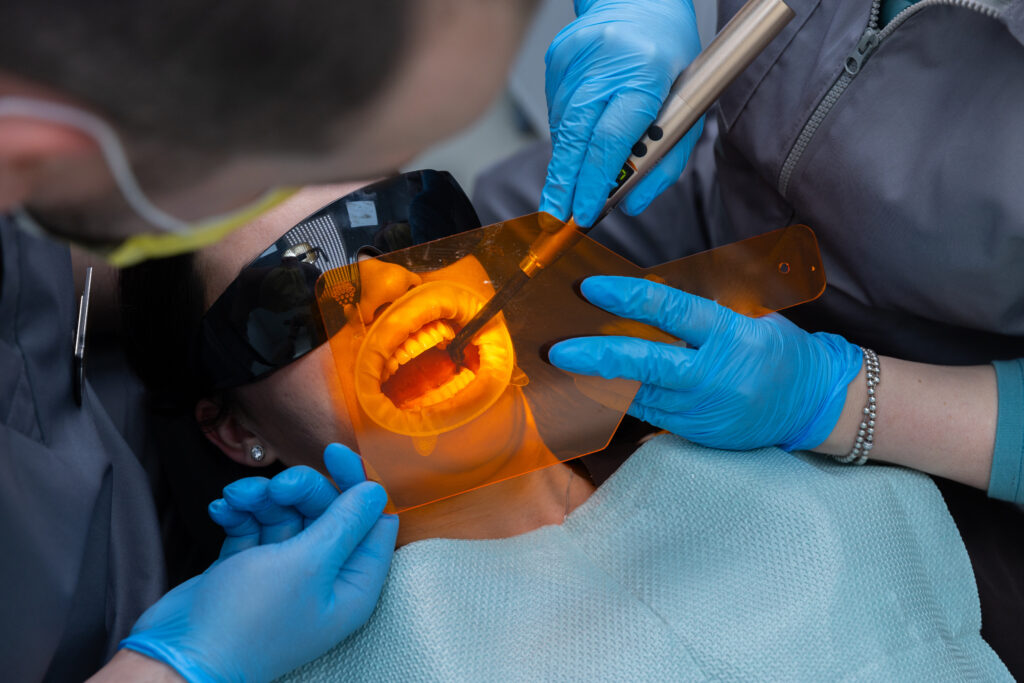
Composite resin fillings utilize a multi-step adhesive bonding process that creates micromechanical retention between tooth structure and restorative material through acid etching and primer application. The material consists of an organic polymer matrix reinforced with inorganic filler particles, typically comprising 70-80% by weight of silica, glass, or ceramic particles ranging from 0.04 to 10 micrometers in diameter. Photoinitiators within the resin matrix respond to specific wavelengths of light (typically 400-500nm), triggering polymerization that transforms the moldable paste into a hardened restoration.
Bonding Process Explained
The bonding process for composite resin restorations involves a multi-step chemical and mechanical adhesion protocol that creates a micromechanical interlock between tooth structure and restorative material. Initially, phosphoric acid etching removes the smear layer and demineralizes enamel and dentin surfaces, creating microscopic porosities. Following thorough rinsing and moisture control, bonding agent application penetrates these microretentions through capillary action. The adhesive’s hydrophilic monomers infiltrate dentinal tubules while hydrophobic components guarantee composite compatibility.
Polymerization occurs through curing light usage, typically employing blue LED wavelengths (430-490nm) that activate photoinitiators within the bonding agent. This photochemical reaction converts liquid resin monomers into cross-linked polymer chains, establishing mechanical retention strengths of 20-30 MPa. Sequential layering and curing of composite material completes the restoration, achieving ideal marginal seal and structural integrity.
Material Composition Details
Modern dental composite resins comprise a sophisticated matrix of organic polymers reinforced with inorganic filler particles, creating a heterogeneous material system optimized for mechanical performance and aesthetic integration. The organic matrix typically contains methacrylate monomers, chiefly bisphenol A-glycidyl methacrylate (Bis-GMA) and triethylene glycol dimethacrylate (TEGDMA), which polymerize through photoinitiator activation.
The material content includes silica, quartz, or ceramic particles ranging from 0.04 to 100 micrometers, constituting 50-80% by weight. This chemical composition determines physical properties including flexural strength, wear resistance, and polymerization shrinkage. Coupling agents, primarily organosilanes, establish chemical bonds between filler particles and resin matrix. Additional components include photoinitiators like camphorquinone, accelerators, and stabilizers that prevent premature polymerization. The filler-to-matrix ratio directly influences clinical longevity and mechanical behavior.
Comparing Durability and Lifespan
Both amalgam and composite resin restorations demonstrate distinct longevity profiles under clinical conditions, with amalgam fillings exhibiting an average functional lifespan of 10-15 years compared to 5-10 years for posterior composite restorations. Amalgam’s superior durability stems from its exceptional resistance to chipping and remarkable ability to withstand pressure during mastication, particularly in high-stress areas such as molars. The material maintains structural integrity under occlusal forces exceeding 250 pounds per square inch.
Composite resins exhibit higher susceptibility to marginal degradation, secondary caries formation, and bulk fracture. Polymerization shrinkage contributes to microleakage, compromising restoration longevity. However, advances in nanotechnology and improved bonding agents have enhanced composite performance metrics. Variables affecting restoration lifespan include cavity size, tooth position, patient bruxism patterns, and oral hygiene compliance. Clinical studies indicate replacement rates of 2.2% annually for composites versus 1.3% for amalgam restorations.
Cost Differences Between Filling Types
Financial considerations profoundly influence the selection between amalgam and composite resin restorations in clinical practice. Amalgam fillings typically present lower initial placement fees ranging from 50-70% of composite costs, though composite restorations may demonstrate superior cost-effectiveness over extended treatment lifespans when factoring in replacement intervals and secondary caries rates. Insurance reimbursement policies frequently establish differential coverage percentages between restoration types, with many carriers providing higher benefit allowances for amalgam procedures compared to tooth-colored alternatives.
Initial Treatment Costs
When evaluating dental restoration options, amalgam fillings typically cost 20-40% less than composite resin alternatives due to differences in material expenses and procedural complexity. Amalgam restorations range from $50-$150 per surface, while composite materials cost $90-$250 for comparable treatments. This cost comparison reflects amalgam’s straightforward placement technique, requiring minimal chair time and fewer specialized instruments.
Composite resins demand meticulous moisture control, incremental layering, and photopolymerization equipment, extending procedure duration by 15-20 minutes. Insurance coverage patterns influence budget considerations, with most plans reimbursing amalgam at higher percentages than composites for posterior teeth. Geographic location, practitioner expertise, and cavity size further affect pricing structures. Patients requiring multiple restorations may experience substantial cumulative savings with amalgam selections, though anterior teeth typically necessitate aesthetic composite materials regardless of cost differentials.
Long Term Value
How do restoration lifespans affect overall treatment economics when comparing amalgam and composite materials? Amalgam restorations demonstrate superior longevity considerations, averaging 15-20 years versus 7-10 years for composites in posterior applications. This durability differential translates to significant financial implications over patient lifetimes.
Amalgam’s resistance to secondary caries and marginal degradation reduces replacement frequency, offsetting higher initial composite costs. Studies indicate amalgam restorations require 50% fewer replacements than composites over 20-year periods. Each replacement procedure incurs additional tooth structure removal, compromising structural integrity and potentially necessitating more extensive interventions.
Cost-effectiveness analyses reveal amalgam’s extended service life yields lower cumulative expenses despite aesthetic limitations. However, anterior composite restorations demonstrate comparable longevity to amalgam, balancing long-term value with aesthetic demands in visible dentition zones.
Insurance Coverage Variations
Although dental insurance plans typically provide coverage for both amalgam and composite restorations, reimbursement structures often create substantial patient cost differentials between these materials. Insurance policy limitations frequently classify posterior composite restorations as cosmetic upgrades, resulting in reduced coverage percentages or complete exclusion from benefits. Reimbursement rates typically favor amalgam fillings, with insurers covering 80% of amalgam costs versus 50-70% for composites in posterior teeth.
Many carriers implement downgrade provisions, reimbursing composite restorations at amalgam fee schedules, leaving patients responsible for material cost differences ranging from $75-200 per restoration. Anterior composite coverage remains standard across most plans due to aesthetic necessity. Pre-authorization requirements for posterior composites may necessitate documentation of amalgam contraindications or medical necessity. These coverage disparities profoundly influence treatment selection and patient out-of-pocket expenses.
Safety Concerns and Mercury Content
The mercury content in dental amalgam fillings has generated significant scientific debate regarding potential health risks to patients. Amalgam restorations contain approximately 50% elemental mercury, raising biocompatibility concerns among dental professionals and regulatory agencies. Research indicates mercury vapor release occurs during placement, removal, and mastication, though exposure levels typically remain below established safety thresholds.
Mercury exposure risks vary based on filling number, surface area, and patient-specific factors including bruxism and dietary habits. The FDA classifies amalgam as Class II medical devices, deemed safe for adults and children over six years. However, pregnant women, nursing mothers, and individuals with renal impairment represent vulnerable populations requiring careful consideration. Composite resins eliminate mercury-related anxieties but present distinct biocompatibility challenges, including bisphenol-A derivatives and potential allergenicity to methacrylate compounds.
Aesthetic Impact on Your Smile
When patients evaluate restorative options, aesthetic considerations profoundly influence treatment decisions, particularly in visible anterior regions where metallic restorations create conspicuous dark areas against natural dentition. Composite resins demonstrate superior visual appeal through their translucency and shade-matching capabilities, enabling seamless integration with surrounding tooth structure. Contemporary bonding materials achieve chromatic adaptation through light-refractive properties that mimic natural enamel.
Amalgam restorations exhibit characteristic metallic discoloration that extends beyond the restoration margins, causing gray shadowing in adjacent tooth structure. This phenomenon occurs through ion migration into dentinal tubules over time. Personal preferences regarding aesthetic outcomes vary greatly among demographic groups, with younger patients demonstrating increased concern for cosmetic appearance. Clinical studies indicate 87% patient satisfaction with tooth-colored restorations versus 42% with amalgam in visible zones.
The Placement Process for Each Material
Before initiating cavity preparation, clinicians must evaluate moisture control requirements that differ substantially between amalgam and composite placement protocols, with amalgam tolerating limited moisture exposure while composites demand absolute isolation through rubber dam application. Amalgam restoration requires mechanical retention through undercuts and convergent walls, followed by trituration, condensation, and anatomical carving within 3-5 minutes before initial crystallization occurs.
Composite filling placement precision necessitates adhesive bonding protocols involving phosphoric acid etching, primer application, and bonding agent polymerization. Filling application techniques for composites employ incremental layering of 2mm thickness, with each layer requiring 20-40 seconds of light-curing to minimize polymerization shrinkage stress. Matrix band adaptation proves critical for proximal contours. Amalgam placement typically completes within 15 minutes, whereas composite procedures extend to 30-45 minutes due to meticulous isolation and layering requirements.
Making the Right Choice for Your Dental Needs
Although both amalgam and composite restorations demonstrate acceptable clinical performance when properly indicated, material selection requires systematic evaluation of patient-specific factors including caries risk assessment, occlusal forces, isolation feasibility, and aesthetic demands within the restorative zone. Posterior teeth experiencing high masticatory stress may benefit from amalgam’s superior compressive strength, while anterior restorations necessitate composite’s optical properties. Clinicians must consider moisture control capabilities during placement, as composites demand absolute isolation for ideal adhesion. Proper oral hygiene practices profoundly influence restoration longevity regardless of material choice, with inadequate plaque control accelerating secondary caries formation. Preventative dental care measures, including fluoride application and dietary modification, remain paramount for restoration success. Evidence suggests patient compliance with maintenance protocols affects clinical outcomes more substantially than material selection alone.
Frequently Asked Questions
Can I Replace My Old Silver Fillings With Tooth-Colored Ones?
Patients can replace amalgam restorations with composite resin alternatives, addressing potential aesthetic concerns. Clinical evidence demonstrates comparable longevity of tooth-colored fillings when properly placed, though replacement necessity should be evaluated based on structural integrity rather than cosmetic preference alone.
Do Fillings Hurt During or After the Procedure?
Modern dental procedures typically involve minimal discomfort. Local anesthetics eliminate pain levels during treatment. Post-procedural sensitivity reduction occurs within 24-72 hours. Patients may experience temporary thermal sensitivity, which resolves spontaneously as pulpal inflammation subsides.
How Long Should I Wait to Eat After Getting a Filling?
Patients should wait two hours before consuming soft foods following dental filling placement. Proper post procedure care requires avoiding hard textures for 24 hours. Recommended meal consistency includes lukewarm liquids and purees initially, progressing gradually to regular diet.
Will My Dental Insurance Cover Both Types of Fillings?
Dental insurance coverage varies considerably between policies regarding amalgam versus composite restorations. Most plans cover amalgam fully while imposing policy limitations on composites, requiring additional cost considerations through patient copayments for posterior tooth-colored restorations deemed cosmetic.
How Often Do Fillings Need to Be Checked or Maintained?
Dental professionals recommend biannual examinations for filling maintenance schedule monitoring. Filling lifespan expectations vary: amalgam restorations typically endure 10-15 years, while composite resins average 5-10 years. Radiographic assessment and clinical evaluation detect marginal deterioration requiring intervention.