
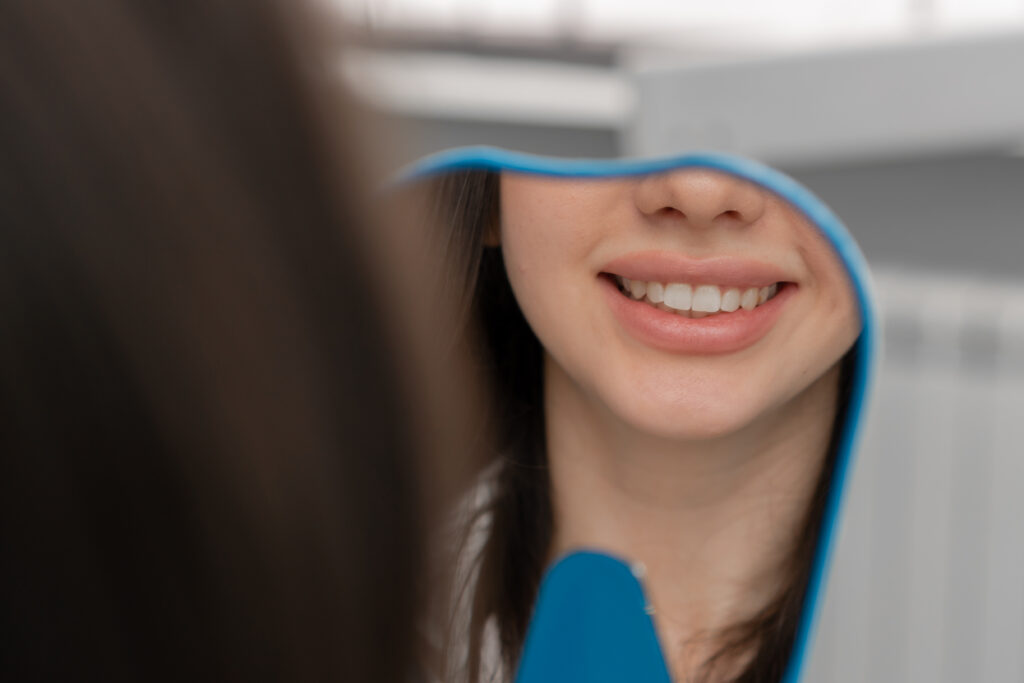
Dental restorations require specific post-procedural protocols to guarantee ideal healing and longevity. The initial 72-hour period following amalgam or composite placement presents critical considerations for patient comfort and restoration integrity. Temporary sensitivity affects approximately 60% of patients, while improper aftercare can compromise filling adhesion and marginal seal. Understanding the physiological responses to restorative treatment and implementing evidence-based management strategies determines whether these interventions succeed or require premature replacement.
What to Expect During the First 24 Hours After Your Filling
Following dental restoration procedures, patients typically experience varying degrees of post-operative sensitivity and localized discomfort during the initial 24-hour recovery period. Temporary discomfort manifests as mild to moderate pain at the treatment site, particularly when local anesthetic effects diminish approximately 2-4 hours post-procedure. Tooth sensitivity frequently occurs in response to thermal stimuli, pressure variations, and occlusal forces during mastication.
Patients should expect residual numbness in perioral tissues for several hours following anesthetic administration. Minor gingival inflammation surrounding the restored tooth remains common due to rubber dam placement and procedural manipulation. Composite restorations may exhibit heightened sensitivity compared to amalgam alternatives. Bite irregularities occasionally develop, requiring subsequent occlusal adjustment. Normal salivation patterns typically resume within 6-8 hours. Most post-operative symptoms resolve spontaneously without intervention within the first 24-hour period.
Managing Pain and Sensitivity Following Your Procedure
While post-operative discomfort typically subsides within the initial recovery period, patients may require pharmacological and non-pharmacological interventions to manage persistent symptoms effectively. Managing sensitivity involves avoiding temperature extremes and utilizing desensitizing toothpaste containing potassium nitrate or stannous fluoride. Clinicians recommend over-the-counter analgesics, specifically ibuprofen or acetaminophen, administered at therapeutic doses for handling discomfort.
Patients experiencing prolonged hypersensitivity beyond two weeks should contact their dental provider, as this may indicate occlusal interference or pulpal inflammation. Cold compress application to the external facial region provides vasoconstriction, reducing inflammatory mediators. Dietary modifications, including elimination of acidic foods and beverages, prevent further irritation to exposed dentin tubules. Should symptoms intensify or present with spontaneous pain, immediate clinical evaluation becomes necessary to rule out irreversible pulpitis or restoration failure requiring additional intervention.
Foods and Drinks to Avoid While Your Filling Sets
After dental restoration placement, patients must observe strict dietary restrictions during the critical polymerization and setting period to guarantee ideal material integrity and durability. Composite resins require 24-48 hours for complete polymerization, while amalgam fillings necessitate similar timeframes for maximum hardness development.
Practitioners recommend avoiding sugary treats including candies, chocolates, and pastries that promote bacterial proliferation and compromise restoration margins. Acidic beverages such as citrus juices, carbonated sodas, and wine should be eliminated temporarily, as their low pH levels can deteriorate bonding agents and weaken material structure. Hard foods requiring excessive masticatory force pose mechanical risks to incompletely set restorations.
Temperature extremes warrant avoidance during initial healing phases. Hot liquids may accelerate chemical reactions unpredictably, while frozen items can induce thermal shock, potentially causing microfractures in newly placed materials.
When You Can Resume Normal Eating Habits
Once the initial setting period concludes, patients may gradually reintroduce their regular dietary patterns according to specific timelines determined by restoration type and individual healing responses. Composite resin fillings permit normal mastication within 24 hours post-procedure, while amalgam restorations require 48-72 hours for complete hardening. The gradual resumption timeline necessitates systematic reintroduction of harder textures and temperature extremes.
Immediate dietary adjustments following the anesthetic dissipation include consuming soft foods at moderate temperatures. Patients should progressively incorporate firmer consistencies over subsequent days, monitoring for sensitivity or discomfort. Full masticatory function typically returns within one week, though deep restorations may require extended adaptation periods. Clinicians recommend maintaining cautious chewing patterns for two weeks to guarantee seamless restoration integration and prevent premature failure or marginal breakdown.
Adjusting Your Oral Hygiene Routine for New Fillings
Although newly placed dental restorations require standard oral hygiene practices, modifications to brushing and flossing techniques during the initial healing phase optimize restoration longevity and minimize postoperative complications. Patients should implement gentle circular motions using soft-bristled toothbrushes, avoiding aggressive horizontal scrubbing over restoration sites for 48-72 hours post-procedure. The recommended brushing technique involves holding bristles at 45-degree angles toward gingival margins while applying minimal pressure.
Flossing modifications include utilizing waxed dental floss to navigate smoothly around restoration margins without dislodging temporary materials or irritating inflamed tissues. Clinicians advise patients to curve floss into C-shapes around tooth surfaces, sliding vertically rather than sawing horizontally. Antimicrobial rinses supplement mechanical plaque removal without traumatizing healing tissues. These adjustments typically continue for one week before resuming conventional oral hygiene protocols.
Warning Signs That Require Immediate Dental Attention
While modified oral hygiene protocols support restoration healing, patients must recognize symptoms indicating potential complications requiring professional intervention. Persistent visible pain exceeding 72 hours post-procedure warrants immediate evaluation, particularly when accompanied by thermal hypersensitivity or spontaneous throbbing. Excessive bleeding beyond initial treatment day suggests compromised hemostasis requiring clinical assessment.
Additional critical indicators include restoration fracture, complete dislodgement, or occlusal interference preventing normal mastication. Periapical swelling, purulent discharge, or lymphadenopathy indicates possible infection necessitating antimicrobial therapy. Patients experiencing difficulty swallowing, facial asymmetry, or trismus require emergency consultation.
Temperature elevation above 101°F, combined with malaise, demands urgent examination to exclude systemic involvement. Allergic manifestations including urticaria, angioedema, or respiratory distress constitute medical emergencies. Prompt recognition and response to these warning signs prevents progression to irreversible pulpal damage or systemic complications.
Long-Term Maintenance Tips for Filled Teeth
Maintaining dental restorations requires adherence to specific oral hygiene protocols and dietary modifications to guarantee longevity. Patients must implement a complete daily cleaning routine that addresses the unique vulnerabilities of filled teeth while avoiding foods that jeopardize restoration integrity. Scheduled professional examinations at appropriate intervals enable early detection of marginal deterioration and confirm ideal restoration performance over extended periods.
Daily Cleaning Routine
Once dental fillings have fully integrated with tooth structure, patients must implement an extensive oral hygiene protocol to prevent secondary caries formation and marginal degradation. Proper brushing techniques require utilization of fluoridated dentifrice applied with soft-bristled toothbrushes positioned at 45-degree angles to gingival margins. Circular motions should encompass all tooth surfaces, particularly restoration interfaces where bacterial accumulation occurs preferentially.
Flossing frequency recommendations mandate twice-daily interproximal cleaning to eliminate biofilm deposits adjacent to filling margins. Waxed dental floss or interdental brushes effectively remove debris from embrasure spaces without compromising restoration integrity. Antimicrobial mouth rinses containing chlorhexidine gluconate or essential oils provide supplementary bactericidal action against cariogenic microorganisms. Professional prophylaxis every six months guarantees optimal restoration longevity through calculus removal and early detection of marginal breakdown or recurrent decay.
Foods to Avoid
Beyond establishing meticulous hygiene protocols, dietary modifications substantially impact restoration durability and prevent premature failure of dental fillings. Patients must eliminate substances that compromise structural integrity of restorative materials. Hard candies, ice cubes, and nuts generate excessive occlusal forces potentially fracturing amalgam or composite restorations. Sticky confections including caramels and taffy mechanically dislodge fillings through adhesive displacement.
Clinicians recommend shifting to soft foods during initial healing phases, particularly within 24-48 hours post-procedure. Avoiding crunchiness reduces mechanical stress on newly placed restorations while permitting complete polymerization of composite materials. Additionally, acidic beverages and citrus fruits accelerate marginal breakdown through chemical erosion. Temperature extremes warrant consideration, as thermal expansion differentials between natural dentition and restorative materials create microfractures. Ideal dietary compliance guarantees maximum restoration longevity and prevents secondary caries formation.
Regular Dental Checkups
While dietary modifications preserve restoration integrity, professional surveillance through systematic dental examinations guarantees desirable longevity of filled teeth and enables early intervention for potential complications. Dental practitioners recommend biannual routine oral examinations to assess filling margins, detect secondary caries, and evaluate occlusal wear patterns. These appointments facilitate radiographic evaluation of interproximal surfaces and identification of microleakage beneath existing restorations.
Between professional visits, patients must maintain proper dental hygiene protocols, including twice-daily brushing with fluoridated dentifrice and interdental cleaning. Clinicians utilize diagnostic instruments to probe restoration boundaries and assess structural stability during examinations. Early detection of marginal breakdown, recurrent decay, or filling fractures permits conservative retreatment before extensive tooth structure compromise occurs. Regular monitoring ensures ideal restoration performance and prevents progression to endodontic involvement or tooth loss.
How Different Filling Materials Affect Your Aftercare Routine
Most dental restorations require specific aftercare protocols that vary considerably based on the filling material’s composition and curing mechanism. Amalgam fillings necessitate avoiding mastication for 24 hours post-placement, allowing complete crystallization. Composite resins achieve immediate hardness through photopolymerization but remain susceptible to staining from chromogenic substances for 48 hours.
Filling material durability directly correlates with prescribed maintenance requirements. Glass ionomers mandate fluoride supplementation to enhance longevity, while gold inlays require minimal intervention beyond standard oral hygiene. Filling material aesthetics preservation differs remarkably: ceramic restorations demand non-abrasive dentifrice to prevent surface degradation, whereas silver amalgam remains unaffected by polishing agents.
Temperature sensitivity varies tremendously across materials. Metallic restorations conduct thermal stimuli rapidly, requiring gradual dietary temperature modulation. Composite materials exhibit minimal thermal conductivity, permitting immediate consumption of varied temperature foods post-procedure.
Frequently Asked Questions
Can I Fly in an Airplane Immediately After Getting a Dental Filling?
Patients may fly immediately following dental filling procedures. Cabin pressure changes pose no contraindications. However, clinicians recommend avoiding chewing hard foods during flights and resting jaw muscles after procedure completion to prevent restoration compromise or discomfort.
How Long Do Different Types of Dental Fillings Typically Last?
Amalgam fillings demonstrate 10-15 year filling longevity, while composite resins last 5-10 years. Gold and ceramic restorations exceed 15 years with proper filling maintenance requirements including ideal oral hygiene, regular dental examinations, and occlusal adjustments.
Will My Dental Insurance Cover Filling Replacement Costs?
Dental insurance coverage for filling replacements varies considerably based on individual insurance policy details. Most plans cover 50-80% after deductibles. Patients should verify benefits with carriers and inquire about payment plan options through providers.
Can I Whiten My Teeth if I Have Multiple Fillings?
Patients with multiple restorations can undergo professional whitening procedures; however, composite materials remain unaffected by bleaching agents. Filling discoloration issues persist post-treatment, creating aesthetic disparities. Tooth sensitivity concerns may intensify during whitening protocols, requiring clinical monitoring.
Is It Normal for My Bite to Feel Different After a Filling?
Yes, altered bite sensation post-restoration is common. Improper occlusion may occur if filling height exceeds natural tooth contour. Patients should monitor for persistent discomfort or sensitivity to hot/cold stimuli and contact their dentist for adjustment.