
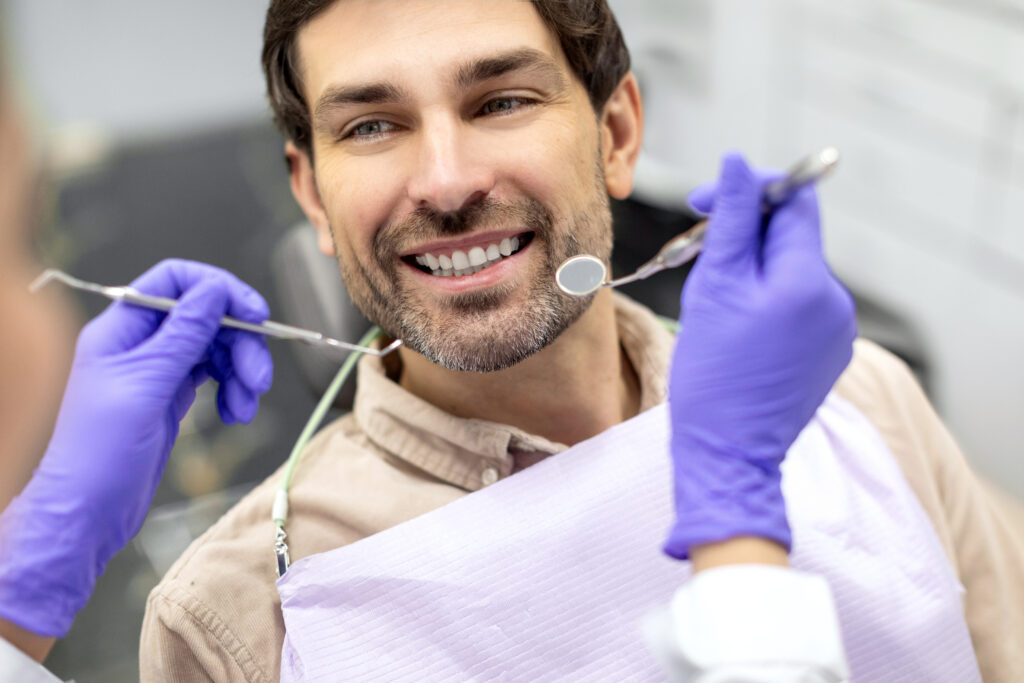
Regular fluoride applications constitute a cornerstone of modern preventive dentistry, offering robust protection against dental caries for individuals across all age groups. Fluoride’s unique biochemical interaction with dental enamel enhances remineralization and inhibits demineralization, thereby mitigating the progression of carious lesions. Significantly, this intervention is particularly valuable for populations with elevated caries risk. However, the mechanisms by which fluoride confers these advantages—and its ideal delivery protocols—warrant closer examination.
How Fluoride Strengthens Tooth Enamel
Fluoride enhances enamel strength primarily by facilitating the remineralization process and inhibiting demineralization at the crystalline structure of the tooth surface. Upon topical application, fluoride ions are absorbed into the enamel, integrating into hydroxyapatite crystals and forming fluorapatite, a more acid-resistant mineral phase. This process of fluoride absorption directly reduces solubility of enamel in acidic environments and enhances the capacity for enamel remineralization, whereby lost calcium and phosphate ions are redeposited into the enamel matrix. The formation of a fluorapatite-rich outer enamel layer increases resistance to subsequent acid dissolution. Empirical studies confirm that regular fluoride exposure leads to the development of a harder, more resilient enamel surface, thereby reinforcing the physical barrier protecting against environmental challenges, independent of caries prevention mechanisms.
Role in Preventing Tooth Decay
By interfering with the metabolic activity of cariogenic bacteria and enhancing enamel resistance to acid attack, topical fluoride applications play a critical role in the prevention of dental caries. Various fluoride sources, including professionally applied gels, varnishes, and home-use rinses, deliver fluoride directly to the tooth surface, where it is most effective in reducing demineralization and promoting remineralization. Unlike systemic absorption of fluoride—primarily through ingestion of fluoridated water or supplements—topical application achieves high local concentrations at the enamel surface without significant systemic exposure. Clinical evidence demonstrates a substantial reduction in caries incidence among populations utilizing regular topical fluoride regimens. The inhibitory effect on bacterial acid production and the facilitation of mineral uptake are central mechanisms by which fluoride prevents the initiation and progression of tooth decay.
Protection Against Acid Attacks
When teeth are exposed to acidic challenges—such as those arising from dietary sugars metabolized by oral bacteria—the enamel undergoes demineralization, increasing susceptibility to carious lesions. Regular fluoride applications enhance the resistance of dental enamel to these acid attacks through a twofold mechanism. First, fluoride absorption onto the enamel surface leads to the formation of fluorapatite, a mineral phase more resistant to acid dissolution than native hydroxyapatite. Second, fluoride facilitates enamel remineralization by attracting calcium and phosphate ions, promoting the repair of areas compromised by early demineralization. Clinical studies have consistently demonstrated that fluoride exposure reduces the rate and severity of enamel dissolution during repeated acid attacks, thereby providing a robust protective effect against the initiation and progression of dental caries.
Benefits for Children’s Dental Health
Fluoride applications play a critical role in pediatric dentistry by enhancing the mineralization of developing tooth enamel, thereby increasing resistance to demineralization. Evidence indicates that regular exposure to fluoride considerably lowers the incidence of dental caries in children. Additionally, early fluoride use reinforces preventive oral health behaviors during formative years.
Strengthens Developing Tooth Enamel
Enhancing the mineralization of developing tooth enamel, topical fluoride applications play a critical role in pediatric oral health. During the formative years, enamel is particularly susceptible to demineralization due to dietary acids and bacterial metabolism. Fluoride sources, such as professionally applied gels, varnishes, or rinses, deliver bioavailable fluoride ions directly to the enamel surface. These ions facilitate enamel remineralization by incorporating into the hydroxyapatite crystal lattice, forming a more acid-resistant fluorapatite structure. This process increases the enamel’s resistance to subsequent acid challenges and improves its structural integrity. Multiple clinical studies have demonstrated that regular exposure to topical fluoride during tooth development results in stronger, more resilient enamel. Consequently, this targeted intervention is considered an essential preventive strategy in pediatric dental care protocols.
Reduces Cavity Risk
Building upon its role in reinforcing enamel structure, topical fluoride application greatly mitigates the incidence of dental caries in pediatric populations. Fluoride interacts with the hydroxyapatite matrix of enamel, enhancing resistance to acid demineralization and facilitating remineralization of early carious lesions. Clinical evidence demonstrates that regular exposure to fluoride sources—such as professionally applied gels, varnishes, or rinses—significantly contributes to cavity prevention in children, particularly in high-risk groups. The cariostatic effect of topical fluoride is dose-dependent and most effective when incorporated into routine preventive dental care. Epidemiological studies consistently report reduced caries prevalence in communities utilizing both systemic and topical fluoride sources. Therefore, periodic fluoride applications remain a cornerstone in minimizing cavity risk and preserving oral health during critical stages of dental development.
Supports Early Oral Habits
Establishing effective oral hygiene routines in childhood is integral to long-term dental health, and the incorporation of professional fluoride applications serves as an adjunct in this process. Early dental habits are influenced not only by daily brushing and flossing but also by preventive interventions such as fluoride varnish. Clinical evidence indicates that children introduced to fluoride applications during routine dental visits exhibit lower caries incidence and improved enamel resistance. Additionally, fluoride education delivered by dental professionals reinforces the importance of consistent oral care and demystifies preventive strategies for both children and caregivers. This dual approach—application and education—facilitates the normalization of regular dental visits and establishes foundational behaviors. Ultimately, integrating fluoride into early dental habits supports the development of lifelong oral health practices and enhances caries prevention in pediatric populations.
Advantages for Adult Oral Care
While fluoride applications are frequently associated with pediatric dentistry, they also confer significant benefits for adult oral health. Evidence demonstrates that professionally applied fluoride treatments enhance remineralization of enamel, reduce the progression of root caries, and mitigate hypersensitivity in adults. Adult dental hygiene regimens, despite diligent care, may be insufficient to counteract cumulative effects of dietary acids, xerostomia, and restorative dental work, all of which increase caries risk. Addressing persistent fluoride misconceptions, research confirms that adults continue to benefit from topical fluoride exposure, particularly in populations with increased susceptibility to caries or periodontal disease. In addition, fluoride applications are valuable adjuncts for patients with orthodontic appliances, recession, or compromised salivary flow. Therefore, integrating fluoride into adult dental hygiene protocols supports long-term oral health outcomes and caries prevention.
Safe and Effective Preventative Care
Given the prevalence of dental caries and erosion across populations, professional fluoride applications represent a cornerstone of safe and effective preventative care. Clinical evidence demonstrates that regular exposure to topical fluoride enhances enamel remineralization and inhibits demineralization processes. The integration of fluoride into preventative dentistry protocols is supported by extensive safety data; adverse effects are rare when administered under professional supervision and at recommended concentrations. Fluoride safety has been established through decades of use in diverse populations, with regulatory agencies consistently endorsing its role in reducing caries incidence. The preventive mechanism includes lowering enamel solubility and impeding bacterial metabolism. Therefore, fluoride applications are recognized as a critical adjunct in thorough preventative dentistry, providing a reliable method for maintaining oral health while minimizing the risk of dental disease.
Application Methods and Frequency
Fluoride can be administered through professionally applied products or at-home formulations, each offering distinct concentrations and protocols. Clinical guidelines indicate specific application intervals for maximum caries prevention, typically ranging from quarterly to biannual professional treatments. Selection of method and frequency is informed by individual caries risk assessment and current evidence-based recommendations.
Professional vs. At-Home Treatments
Distinction between professional and at-home fluoride treatments centers on application methods, fluoride concentration, and recommended frequency. In office treatments are administered by dental professionals using high-concentration fluoride gels, varnishes, or foams, delivered under controlled conditions to guarantee ideal enamel uptake and safety. These modalities typically utilize fluoride concentrations ranging from 9,000 to 22,600 ppm and are indicated for patients with elevated caries risk or special clinical needs. Conversely, home kits consist of lower concentration fluoride rinses, gels, or toothpastes, designed for unsupervised, routine use. Home kits generally contain fluoride concentrations between 900 and 5,000 ppm, minimizing the risk of overexposure and adverse events. The efficacy and clinical indications for each approach depend upon individual caries risk assessment and professional guidance, guaranteeing personalized preventive strategies.
Recommended Application Intervals
While ideal fluoride therapy hinges on individualized risk assessment, standardized application intervals have been established to maximize caries prevention and minimize adverse effects. Evidence-based treatment recommendations indicate that professional topical fluoride treatments—such as gels, foams, or varnishes—are typically administered at intervals of three, six, or twelve months, depending on the patient’s caries risk profile. Higher-risk individuals may benefit from increased application frequency, such as every three months, whereas low-risk patients may require treatment only once or twice annually. At-home fluoride products, including prescription-strength rinses or gels, are generally recommended for daily or weekly use, aligning with ongoing caries risk evaluation. Clinicians should regularly reassess risk status to adjust application frequency accordingly, ensuring both efficacy and safety in long-term fluoride exposure.
Cost-Effectiveness of Fluoride Treatments
Given the widespread prevalence of dental caries and the escalating costs of restorative dental care, the cost-effectiveness of fluoride treatments has become a significant focus within preventive dentistry. Numerous clinical studies and health economic analyses demonstrate that regular professional fluoride applications yield substantial cost savings by reducing the incidence and severity of caries, thereby decreasing the need for more expensive restorative procedures. Additionally, fluoride treatments represent a scalable intervention that enhances treatment accessibility, particularly in underserved populations where dental care resources are limited. Cost-benefit evaluations consistently show that the modest expense of fluoride varnishes or gels is offset by the reduction in subsequent restorative care expenditures. As a result, integrating fluoride applications into routine preventive protocols is advocated as both an economically prudent and clinically effective strategy.
Frequently Asked Questions
Can Fluoride Applications Cause Allergic Reactions?
Fluoride applications can rarely induce allergic symptoms in individuals with fluoride sensitivity. Clinical manifestations may include oral mucosal irritation, urticaria, or contact dermatitis. Such hypersensitivity reactions are infrequent, and documented cases in peer-reviewed literature remain limited.
Are There Natural Alternatives to Professional Fluoride Treatments?
Natural remedies and herbal solutions, such as xylitol, neem, and green tea, have been explored as alternatives to professional fluoride treatments. However, current evidence suggests these options provide less caries protection compared to professionally applied fluoride agents.
Do Fluoride Treatments Interact With Other Dental Medications?
Fluoride interactions with dental medications are minimal; current evidence indicates no significant adverse effects when used alongside common dental agents such as chlorhexidine or topical anesthetics. Clinicians should evaluate patient-specific factors for potential uncommon dental medication interactions.
Is Fluoride Safe for People With Kidney Problems?
Fluoride is generally considered safe at recommended levels; however, impaired kidney function reduces fluoride metabolism and excretion, potentially increasing systemic accumulation. Individuals with compromised kidney function should consult healthcare providers regarding fluoride exposure to minimize toxicity risk.
Can Pregnant Women Receive Fluoride Treatments?
Pregnant women can receive fluoride treatments when administered at recommended fluoride dosage levels. Clinical evidence supports pregnancy safety, indicating no teratogenic effects or adverse outcomes when fluoride exposure remains within established therapeutic thresholds during prenatal dental care.