
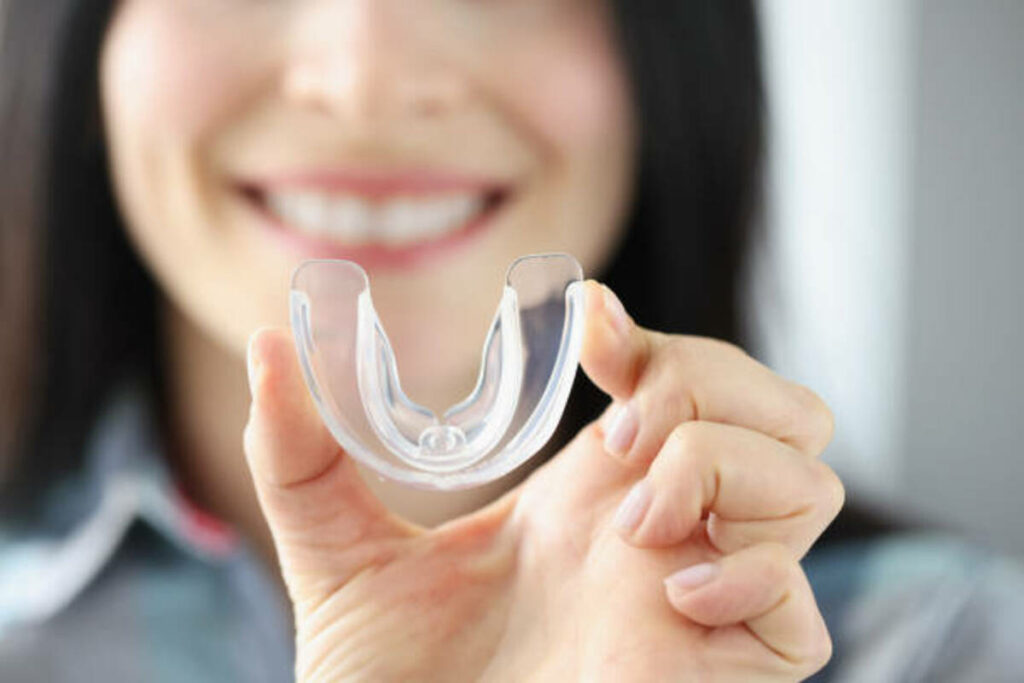
Morning jaw pain and headaches are frequently linked to nocturnal bruxism, a condition characterized by involuntary teeth grinding during sleep. Night guards are commonly prescribed as a non-invasive intervention to mitigate these symptoms by serving as a protective barrier between the upper and lower teeth. However, the precise mechanisms by which night guards alleviate discomfort—and their overall effectiveness—remain subjects of ongoing clinical investigation. Understanding their role requires closer examination of current research and patient outcomes.
Understanding Bruxism: The Root Cause of Morning Discomfort
Although often overlooked, bruxism is a parafunctional activity characterized by involuntary grinding or clenching of the teeth, most commonly occurring during sleep. Research indicates that bruxism affects approximately 8–16% of adults, with higher prevalence in individuals experiencing psychological stress. Bruxism symptoms may include jaw tension, dental wear, tooth sensitivity, and morning headaches. Patients often report facial muscle soreness, limited mandibular movement, and disrupted sleep. The persistent mechanical forces exerted during nocturnal bruxism can result in microtrauma of the temporomandibular joint (TMJ) and surrounding musculature, contributing to chronic orofacial pain. Clinical evaluation typically involves assessment of dental attrition, palpation of masticatory muscles, and patient-reported discomfort. Early recognition of these bruxism symptoms allows for timely intervention, mitigating the progression of jaw tension and associated morning discomfort.
How Night Guards Work to Protect Your Teeth and Jaw
Night guards function as a protective barrier, absorbing the mechanical forces generated during nocturnal teeth grinding. This cushioning effect minimizes enamel wear and mitigates microtrauma to oral structures. Additionally, they help decrease jaw muscle hyperactivity, thereby reducing strain and alleviating associated discomfort.
Cushioning Against Teeth Grinding
A significant number of individuals who experience jaw pain and headaches are affected by nocturnal bruxism, a condition characterized by involuntary teeth grinding during sleep. Night guards serve as an effective intervention by introducing a barrier composed of specialized cushioning materials between the upper and lower dental arches. These materials are engineered to absorb and distribute occlusal forces, thereby minimizing the risk of enamel wear, tooth fractures, and dental restorations’ failure. The primary mechanism of action is dental protection, as the night guard prevents direct tooth-to-tooth contact that typifies bruxism episodes. Clinical studies demonstrate that consistent night guard use reduces the frequency and severity of dental trauma in bruxism patients, highlighting its value as a preventive strategy for those susceptible to chronic jaw pain and headaches.
Reducing Jaw Muscle Strain
Beyond preventing dental damage, night guards play a pivotal role in alleviating strain on the masticatory muscles. By providing a stable occlusal surface, night guards help minimize excessive muscle activity associated with bruxism and clenching. This reduction in parafunctional forces leads to significant muscle tension relief, decreasing the likelihood of morning jaw discomfort and myofascial pain. Evidence-based studies indicate that consistent use of night guards can disrupt the cycle of muscle overuse, promoting an environment conducive to jaw relaxation techniques and improved neuromuscular balance. Patients often report reduced fatigue in the masseter and temporalis muscles, and a subsequent decrease in tension-type headaches. Consequently, night guards serve as an effective adjunct for reducing jaw muscle strain and supporting long-term orofacial health.
Types of Night Guards: Custom vs. Over-the-Counter Options
When selecting a night guard for the management of jaw pain and headaches, patients typically encounter two primary categories: custom-fitted devices fabricated by dental professionals and over-the-counter (OTC) options available at pharmacies. Custom fit night guards are individually molded using dental impressions, providing precise adaptation to the patient’s dentition. Clinical studies demonstrate that custom appliances optimize comfort and retention, which can enhance compliance and therapeutic effectiveness. Conversely, OTC or budget options are pre-formed or boil-and-bite guards that offer a generalized fit and are more accessible due to lower cost and immediate availability. However, evidence suggests that OTC guards may be less effective in reducing jaw muscle strain and may increase the risk of improper alignment or inadequate protection compared to custom-fitted alternatives.
The Connection Between Jaw Clenching, Headaches, and Sleep Quality
Although often overlooked, nocturnal jaw clenching—medically termed sleep bruxism—has been consistently implicated in the etiology of both chronic headaches and disrupted sleep architecture. Repetitive masticatory muscle activity during sleep can lead to microtrauma in the temporomandibular joint, resulting in referred pain that manifests as tension-type headaches upon awakening. Additionally, the episodic arousals caused by sleep bruxism contribute to fragmented sleep, diminishing overall sleep quality and impeding restorative processes. Evidence-based interventions, such as jaw relaxation techniques and optimized sleep hygiene, have demonstrated efficacy in reducing the frequency and severity of bruxism episodes. Patient education regarding stress reduction, regular sleep schedules, and avoidance of caffeine or alcohol before bedtime further supports symptom amelioration. Consequently, addressing underlying behavioral and physiological contributors is essential for improving patient-reported outcomes.
Scientific Evidence Supporting the Use of Night Guards
Multiple clinical trials have evaluated the effectiveness of night guards in reducing jaw pain and headache frequency among patients with bruxism and temporomandibular disorders. Evidence suggests that night guards may alleviate symptoms by redistributing occlusal forces and minimizing muscle hyperactivity during sleep. These findings highlight the potential of night guards as a non-invasive therapeutic option for symptom management.
Clinical Trials on Effectiveness
A growing body of clinical research has evaluated the efficacy of night guards in managing jaw pain and headache symptoms associated with temporomandibular disorders (TMD) and bruxism. Numerous randomized controlled clinical trials have compared the use of custom-fitted night guards to placebo appliances or no intervention. Many studies report statistically significant reductions in both frequency and intensity of morning jaw pain and headache symptoms among participants using night guards. Treatment efficacy is often measured through validated pain scales and patient-reported outcome measures. Additionally, systematic reviews and meta-analyses of these clinical trials generally support the use of night guards as a non-invasive intervention for TMD-related symptoms. Overall, evidence indicates that night guards are effective for many patients experiencing jaw pain and headaches linked to nocturnal parafunctional activity.
Mechanisms of Pain Reduction
Biomechanical intervention underlies the primary mechanism by which night guards alleviate jaw pain and headaches associated with temporomandibular disorders and bruxism. Night guards function by redistributing occlusal forces, thereby minimizing microtrauma to the temporomandibular joint and masticatory musculature. By reducing abnormal mechanical stress, these appliances disrupt nociceptive pain pathways responsible for transmitting discomfort to the central nervous system. Additionally, evidence suggests that night guards promote muscle relaxation by preventing sustained hyperactivity of the jaw-closing muscles during sleep. This reduction in muscular tension directly correlates with decreased instances of morning jaw pain and tension-type headaches. Clinical studies have demonstrated that consistent use of night guards can modulate both peripheral and central sensitization, offering a non-invasive approach to managing chronic orofacial pain for patients with bruxism or temporomandibular disorders.
Tips for Choosing the Right Night Guard for Your Needs
When selecting an appropriate night guard to address jaw pain and headaches, careful consideration of individual oral anatomy, severity of symptoms, and underlying etiologies is essential. Material selection is a critical factor; soft, dual-laminate, and hard acrylic options each provide varying degrees of durability, comfort, and protective efficacy. Clinicians should align material properties with the patient’s bruxism intensity and tolerance to intraoral appliances. Fit adjustment is also paramount, as ill-fitting night guards may exacerbate discomfort or fail to mitigate parafunctional activity. Custom-fabricated night guards, designed from dental impressions, typically yield superior adaptation and retention compared to over-the-counter variants. Patient education regarding correct insertion, removal, and cleaning further enhances compliance and therapeutic outcomes, optimizing the device’s ability to prevent morning jaw pain and headaches.
Potential Side Effects and Limitations of Night Guard Use
Despite careful selection and customization of night guards to address jaw pain and headaches, these oral appliances are not without potential adverse effects and inherent limitations. Night guard discomfort is a frequent complaint, particularly during the initial adaptation period, and may manifest as soreness, excessive salivation, or gag reflex. Ill-fitting devices can contribute to mucosal irritation, dental adjustment issues, or even exacerbate temporomandibular joint (TMJ) symptoms. Additionally, prolonged or improper usage may cause changes in occlusion, tooth movement, or bite misalignment. Night guards do not address the underlying etiologies of bruxism or myofascial pain, and their effectiveness is variable among patients. Continuous monitoring by dental professionals is necessary to guarantee proper fit, function, and to mitigate the risk of adverse outcomes or persistent night guard discomfort.
Additional Strategies to Reduce Jaw Pain and Morning Headaches
Although night guards play a pivotal role in mitigating jaw pain and morning headaches, adjunctive strategies are frequently necessary to optimize patient outcomes. Evidence suggests that stress management techniques, such as cognitive behavioral therapy, mindfulness-based stress reduction, or guided relaxation, can greatly diminish parafunctional activities like bruxism. Incorporating jaw relaxation exercises—including gentle stretching, controlled mouth opening, and specific orofacial muscle relaxation routines—further assists in alleviating myofascial tension. Patients benefit from education on posture correction, avoidance of excessive gum chewing, and limiting caffeine intake, as these factors can exacerbate muscle hyperactivity. A multidisciplinary approach involving dental professionals, physical therapists, and behavioral health providers guarantees individualized care. Collectively, these interventions, when implemented alongside night guard therapy, contribute to sustainable relief of jaw pain and reduction in morning headache frequency.
Frequently Asked Questions
Can Children or Teenagers Safely Use Night Guards?
Children and teenagers can safely use night guards under dental supervision. Night guard benefits include protection against bruxism and preservation of youth dental care. Custom-fitted appliances are recommended to accommodate growth and prevent adverse effects on developing dentition.
How Often Should Night Guards Be Replaced?
Night guards should typically be replaced every 1-3 years, depending on material durability and patient-specific wear patterns. Replacement frequency increases with heavy bruxism. Clinical evaluation guarantees ideal device function and mitigates risks of diminished therapeutic efficacy or hygiene concerns.
Are Night Guards Covered by Dental Insurance Plans?
Night guards may be partially covered by dental insurance plans, depending on the policy and medical necessity. Insurance coverage varies, but documented night guard benefits—such as protection against bruxism—can increase the likelihood of reimbursement for patients.
Can Night Guards Help With Snoring or Sleep Apnea?
Night guard effectiveness for snoring or sleep apnea is limited; these devices primarily address bruxism. Custom oral appliances designed for airway patency show greater sleep quality improvement and symptom reduction in obstructive sleep apnea compared to standard night guards.
What Should I Do if My Night Guard Feels Uncomfortable?
If a night guard feels uncomfortable, patients should consult their dental provider regarding adjusting the nightguard for ideal fit. Evidence suggests that improper fit or inappropriate materials can contribute to discomfort; individualized selection and customization improve patient outcomes.