
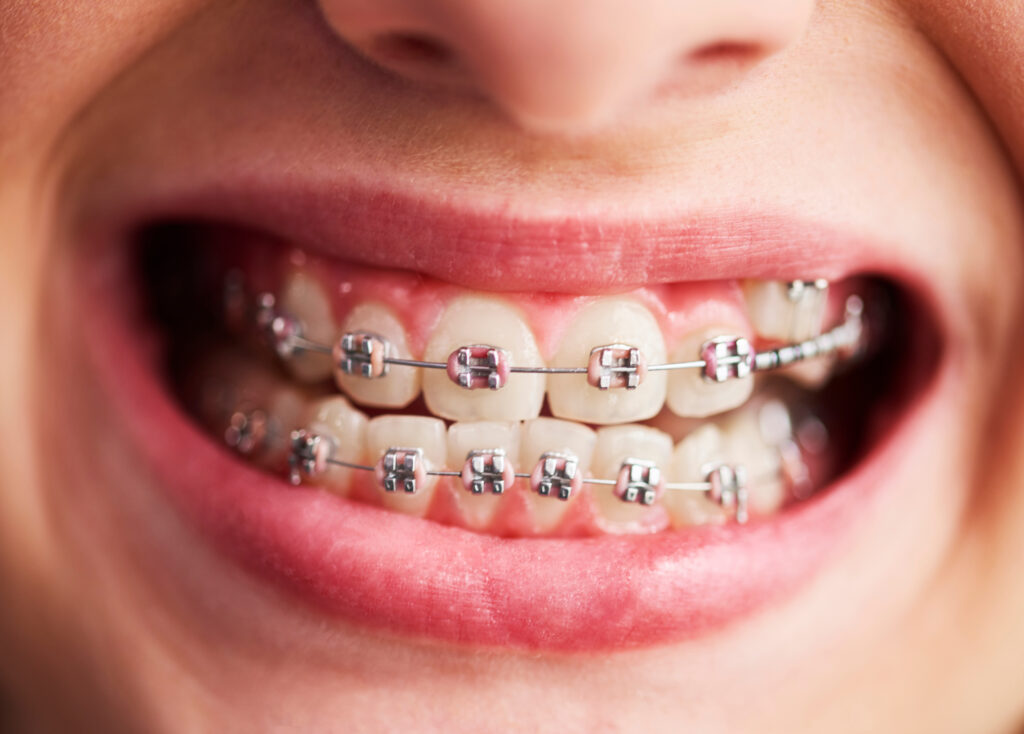
Orthodontic treatment duration remains one of the most frequently asked questions in clinical practice. Current evidence indicates treatment timelines vary greatly, ranging from six months for minor corrections to three years for complex malocclusions. Multiple variables influence these timeframes, including appliance selection, skeletal maturity, and case severity. Understanding these factors proves essential for establishing realistic expectations and achieving ideal outcomes within predictable parameters.
Average Treatment Duration for Different Types of Orthodontic Appliances
When evaluating orthodontic treatment timelines, patients encounter significant variability in duration depending on the appliance system selected. Traditional metal braces typically require 18-36 months for extensive bite correction, with complex cases involving skeletal discrepancies extending beyond this range. Clear aligners demonstrate comparable efficacy for mild to moderate malocclusions, averaging 12-24 months, though treatment duration increases substantially for severe crowding or rotations.
Lingual braces necessitate similar timeframes to conventional brackets, approximately 18-30 months, while self-ligating systems may reduce treatment by 2-6 months through decreased friction mechanics. Ceramic brackets align with metal brace durations despite aesthetic advantages. Accelerated orthodontic protocols utilizing micro-osteoperforations or vibration devices potentially decrease treatment by 30-50%, though long-term stability data remains limited. Interceptive appliances for growing patients addressing skeletal discrepancies require 6-12 months, followed by thorough phase-two treatment.
Key Factors That Influence Your Treatment Timeline
Beyond appliance selection, multiple patient-specific and clinical variables profoundly impact orthodontic treatment duration. Age greatly affects tooth movement duration, as younger patients typically exhibit faster cellular remodeling and bone adaptation compared to adults. Orthodontic case complexity remains the primary determinant, with severe malocclusions requiring 24-36 months versus 12-18 months for minor corrections.
Patient compliance directly correlates with treatment efficiency. Poor hygiene, missed appointments, and non-adherence to elastic wear protocols extend timelines by 3-6 months. Biological factors including bone density, periodontal health, and individual healing rates create substantial variability. Extraction cases add 4-6 months compared to non-extraction treatments. Growth patterns in adolescents may expedite or complicate correction. Research indicates that systemic conditions, medications affecting bone metabolism, and habits like bruxism further modify treatment velocity and predictability.
Age-Related Differences in Orthodontic Treatment Length
The relationship between patient age and orthodontic treatment duration demonstrates predictable patterns across developmental stages. Children aged 7-14 typically complete Phase I interceptive treatment within 6-12 months, capitalizing on active growth periods. Extensive adolescent treatment averages 18-24 months, benefiting from peak pubertal growth spurts preceding skeletal maturity.
Adult orthodontic cases generally require 24-36 months due to denser bone structure and completed facial development. Post-skeletal maturity patients exhibit slower tooth movement rates, approximately 0.8mm monthly compared to 1.2mm in adolescents. Adults frequently present with periodontal considerations, previous dental work, and bone loss requiring modified treatment protocols.
Early intervention during mixed dentition phases may reduce overall treatment complexity. However, two-phase approaches potentially extend cumulative treatment time despite individual phase efficiency. Treatment planning must account for age-specific biological responses and growth potential availability.
Simple vs. Complex Cases: What to Expect
Case complexity classification directly influences orthodontic treatment duration independent of patient age factors. Simple cases involving minor dental issues such as mild crowding or spacing typically require 6-12 months of active treatment. These conditions respond predictably to conventional orthodontic mechanics with minimal complications.
Complex cases featuring severely misaligned teeth, significant skeletal discrepancies, or multiple concurrent malocclusions extend treatment timelines to 24-36 months. Such cases may necessitate adjunctive procedures including extractions, surgical interventions, or temporary anchorage devices. Impacted teeth, severe rotations, and transverse discrepancies further complicate treatment protocols.
Treatment duration estimates assume favorable patient compliance with appliance wear and appointment schedules. Non-compliance adds approximately 20-30% to projected timelines. Orthodontists typically provide conservative estimates during initial consultations, accounting for potential complications and individual biological variation in tooth movement rates.
How Patient Compliance Affects Treatment Speed
Three critical compliance factors determine whether orthodontic treatment concludes within projected timelines or extends beyond initial estimates. First, wearing removable appliances for prescribed durations directly correlates with tooth movement efficiency. Studies indicate non-compliant patients experience 6-8 month delays on average.
Second, the effects of oral hygiene markedly influence treatment progression. Poor brushing and flossing habits lead to gingival inflammation, necessitating intervention periods that halt active orthodontic adjustments. Plaque accumulation around brackets causes demineralization, requiring remedial protocols before continuing treatment.
Third, the impact of dietary choices proves substantial. Consuming prohibited foods damages brackets and wires, resulting in emergency appointments and treatment interruptions. Hard, sticky, or crunchy items account for 30% of unscheduled visits. Each broken appliance potentially adds 2-4 weeks to overall treatment duration, with multiple incidents extending timelines considerably.
Accelerated Orthodontic Treatment Options
Several accelerated orthodontic treatment options have emerged to reduce conventional treatment times by 30-50%. Surgical-assisted methods, including corticotomy and piezocision, create controlled micro-injuries to stimulate bone remodeling and accelerate tooth movement during the initial healing phase. Device-based acceleration technologies, such as low-level laser therapy and high-frequency vibration appliances, aim to enhance cellular activity and bone turnover, though clinical evidence remains mixed regarding their efficacy across diverse patient populations.
Surgical Assisted Methods
When conventional orthodontic treatment timelines prove inadequate for patient needs, surgical assisted methods offer evidence-based acceleration of tooth movement through controlled manipulation of bone biology. Corticotomy-facilitated orthodontics reduces treatment duration by 30-50% through selective alveolar decortication, inducing regional acceleratory phenomenon. This transient osteopenic state enhances cellular activity for 3-4 months post-procedure.
Piezocision combines microincisions with piezoelectric bone surgery, achieving comparable acceleration with reduced invasiveness. Studies demonstrate 43% reduction in alignment phases. Surgical extraction techniques expedite treatment by eliminating crowding obstacles, particularly premolar extractions in severe malocclusions. Surgical implant procedures provide absolute anchorage for complex movements, preventing unwanted reciprocal forces and reducing treatment time by 4-6 months. These interventions require careful patient selection based on periodontal health, bone density assessments, and systemic considerations.
Device Based Acceleration
Although surgical interventions demonstrate significant treatment acceleration, non-invasive device-based technologies offer patients alternative pathways to reduce orthodontic treatment duration through biophysical stimulation mechanisms. Low-level laser therapy (LLLT) and photobiomodulation devices apply specific wavelengths (650-850nm) to stimulate cellular metabolism and bone remodeling, potentially reducing treatment time by 20-30% while providing discomfort reduction benefits. Vibrational devices delivering high-frequency micropulses (20-30Hz) enhance osteoclastic activity and periodontal ligament remodeling. Clinical studies report variable efficacy, with meta-analyses indicating modest acceleration effects ranging from 15-25% reduction in treatment duration. Device compliance remains critical, requiring daily 10-20 minute applications. Patient satisfaction correlates with perceived treatment acceleration and reduced pain levels. Current evidence suggests device-based methods represent viable adjunctive therapies, though standardized protocols and long-term outcome data require further investigation.
Warning Signs Your Treatment May Take Longer Than Expected
Certain clinical indicators suggest orthodontic treatment may exceed initial time estimates, requiring patients and practitioners to adjust expectations accordingly. Poor compliance issues, including inconsistent appliance wear, missed appointments, and inadequate oral hygiene, can extend treatment duration by 6-12 months beyond projected timelines. Complex dental problems such as severe malocclusions, impacted teeth requiring surgical exposure, or unexpected root resorption necessitate modified treatment protocols that typically add 3-9 months to standard case completion times.
Poor Compliance Issues
While orthodontic treatment timelines depend on multiple clinical factors, patient compliance remains a critical determinant that can extend projected treatment duration by 6-12 months or more. Non-adherence to prescribed protocols represents approximately 30% of delayed case completions in orthodontic practices.
Primary compliance failures include inadequate elastic wear (minimum 20-22 hours daily), resulting in 2-4 months additional treatment per quarter of non-compliance. Lack of motivation manifests through poor oral hygiene maintenance, leading to enamel demineralization requiring treatment interruption. Inconsistent appointments compromise biomechanical force continuity, with each missed adjustment potentially adding 4-6 weeks to overall duration.
Removable appliance non-wear extends Phase I treatment by 40-60%, while poor dietary adherence causing bracket debonding adds approximately 2 months per five emergency repairs. Clinical studies demonstrate compliant patients complete treatment 8.5 months faster than non-compliant counterparts.
Complex Dental Problems
How effectively can orthodontists predict extended treatment timelines when complex dental problems present during initial examination? Severe malocclusions requiring surgical corrections typically extend treatment duration by 12-24 months beyond standard cases. Skeletal discrepancies necessitating coordination with maxillofacial surgeons demand pre-surgical orthodontic preparation lasting 8-18 months, followed by post-surgical refinement.
Impacted canines, transposed teeth, and congenitally missing dentition complicate biomechanics and treatment sequencing. Cases involving functional jaw growth modification in adolescents require precise timing aligned with pubertal growth spurts, potentially extending active treatment to 30-36 months. Adult patients with periodontal compromise or extensive restorative needs face interdisciplinary treatment phases that compound timeline estimates.
Orthodontists identify these complexities through detailed diagnostic records including CBCT imaging, cephalometric analysis, and clinical examination, enabling evidence-based prognostication of extended treatment durations during consultation.
Creating a Realistic Timeline With Your Orthodontist
When patients undergo initial orthodontic consultation, establishing an accurate treatment timeline requires thorough diagnostic evaluation including radiographic analysis, dental impressions or digital scans, and clinical examination of malocclusion severity. Orthodontists utilize these diagnostic tools to formulate personalized treatment planning protocols that account for individual anatomical variations, growth patterns, and treatment objectives.
Timeline projections must incorporate multiple variables: skeletal maturity, periodontal health status, patient compliance rates, and biomechanical tooth movement limitations averaging 0.8-1.2mm monthly. Conservative estimates typically add 3-6 months to baseline projections to accommodate potential complications.
Practitioners should discuss flexible appointment schedules that align with treatment phases while maintaining ideal force application intervals. Regular progress evaluations every 4-8 weeks enable timeline modifications based on observed tooth movement rates and tissue response patterns.
Frequently Asked Questions
Can I Switch Orthodontists Mid-Treatment Without Extending My Timeline?
Switching orthodontists typically causes treatment disruptions extending timelines by 2-6 months. Patients experience delays from record transfers, reassessment requirements, and potential treatment philosophy differences. Seamless changes remain uncommon, with most cases requiring additional adjustment appointments.
How Long After Treatment Ends Do I Wear Retainers?
Patients typically follow a retainer wearing schedule of full-time wear for 3-6 months post-treatment, then nightly indefinitely. Evidence-based protocols indicate retainer wearing duration should continue lifelong to prevent relapse, with compliance gradually decreasing over years.
Will Insurance Coverage Limits Affect How Long My Treatment Lasts?
Insurance coverage limits typically don’t extend treatment duration, though patients may delay procedures due to treatment cost considerations. Orthodontists generally recommend clinically appropriate timelines regardless of coverage, offering payment plan options to maintain evidence-based treatment protocols without compromising outcomes.
Can Pregnancy or Medical Conditions Pause My Orthodontic Treatment?
Yes, pregnancy-related hormonal changes affecting periodontal tissues and medical conditions requiring dietary restrictions may necessitate treatment interruption. Evidence indicates 15-20% of adult patients experience temporary cessation, extending total treatment duration by approximately 2-6 months.
How Often Will I Need Adjustment Appointments During Treatment?
Patients typically require orthodontic adjustments every 4-8 weeks, though adjustment frequency varies based on treatment modality. Traditional braces necessitate monthly visits, while clear aligners follow biweekly appointment schedules. Complex cases may require more frequent monitoring intervals.