
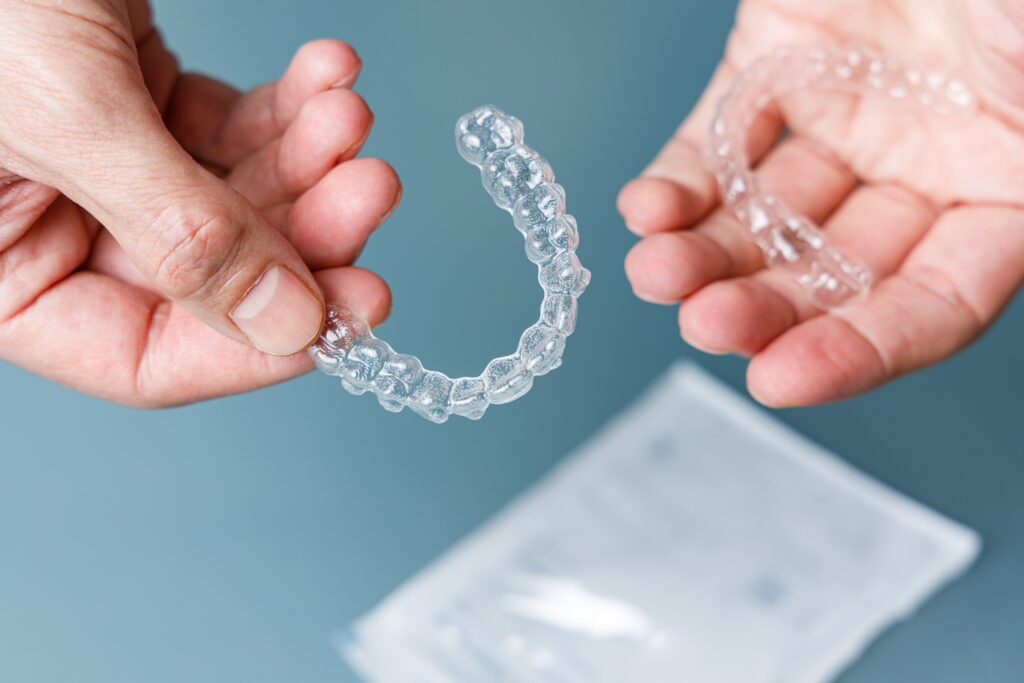
Orthodontic treatment selection requires systematic evaluation of clinical parameters and patient-specific variables. Traditional bracket systems and thermoplastic aligner therapy present distinct biomechanical approaches to malocclusion correction. Each modality demonstrates varying efficacy rates across different classification types, treatment durations, and compliance requirements. Recent longitudinal studies indicate significant outcome disparities based on initial case complexity and patient demographics. Understanding these evidence-based distinctions proves essential for ideal treatment planning.
How Traditional Braces Work and What to Expect
Traditional orthodontic braces function through the application of continuous mechanical force to gradually reposition teeth within the alveolar bone. Metal or ceramic brackets are bonded directly to tooth enamel using dental adhesive, with bracket positioning techniques determining the precise angle and torque required for ideal tooth movement. An archwire threads through each bracket, creating the primary force system.
Orthodontic appliance adjustments occur every 4-8 weeks, during which orthodontists replace or tighten archwires to maintain therapeutic pressure levels. Initial placement typically requires 60-120 minutes, followed by brief adjustment appointments. Patients experience mild discomfort for 3-5 days post-adjustment as periodontal ligaments adapt to mechanical stress. Treatment duration ranges from 18-36 months, depending on malocclusion severity and patient compliance with auxiliary appliances such as elastics or headgear when prescribed.
Understanding Invisalign’s Clear Aligner Technology
Multiple thermoplastic polymer aligners comprise the Invisalign system, utilizing computer-aided design and 3D printing technology to create sequential tooth movement through incremental force application. Each aligner applies controlled pressure to specific teeth, moving them approximately 0.25-0.3mm per two-week interval. The SmartTrack material composition enables consistent force delivery while maintaining structural integrity throughout treatment duration.
These invisible aligners achieve orthodontic correction through programmed staging, where each successive tray incorporates minute positional adjustments. The discreet appearance results from the transparent thermoplastic construction, measuring 0.75mm thickness. Treatment protocols require 20-22 hours daily wear time for favorable efficacy. Digital treatment planning software calculates precise tooth trajectories, determining the number of aligners needed. Attachments—tooth-colored composite buttons—may be bonded to facilitate complex movements including rotations, extrusions, and root torquing.
Comparing Treatment Times and Effectiveness
Treatment duration varies between conventional braces and clear aligner therapy, with average completion times ranging from 12-36 months depending on case complexity and patient compliance. Traditional braces typically demonstrate faster movement for severe malocclusions, particularly cases requiring significant root repositioning or vertical tooth movement. Invisalign performs comparably for mild to moderate crowding and spacing issues, though treatment may extend if patients fail to wear aligners the prescribed 20-22 hours daily.
Clinical studies indicate both modalities achieve similar success rates for appropriate cases. Treatment discomfort differs substantially: braces produce consistent low-grade pressure with acute pain following adjustments, while aligners generate mild soreness when switching between trays. Effectiveness ultimately depends on proper case selection, with complex skeletal discrepancies and severe rotations responding more predictably to fixed appliances.
Cost Analysis and Insurance Coverage Options
Financial considerations represent a critical factor in orthodontic treatment selection, with traditional braces typically ranging from $3,000 to $7,000 while Invisalign costs average between $3,500 and $8,000 depending on case complexity and geographic location. Insurance coverage varies considerably across providers, with most dental plans categorizing both treatments as orthodontic benefits subject to lifetime maximums of $1,000 to $3,000. Comparative analysis of insurance policies reveals that traditional braces often receive higher reimbursement percentages than clear aligner therapy, though this disparity has diminished as more insurers recognize Invisalign as a clinically equivalent treatment modality.
Average Treatment Costs
Dollar signs often determine orthodontic choices as much as clinical needs do. Traditional metal braces typically range from $3,000 to $7,000, while Invisalign treatment costs between $3,500 and $8,000. Geographic location, case complexity, and provider experience substantially/considerably influence pricing variations. Urban practices command 20-30% higher fees than rural counterparts.
Ceramic braces add $500-$1,000 to conventional treatment costs. Lingual systems reach $8,000-$10,000 due to customization requirements. Most orthodontic practices offer financing options through third-party providers, enabling 12-60 month payment plans with varying interest rates. In-house payment plans typically require 25% down payment followed by monthly installments throughout treatment duration.
Severe malocclusions necessitate longer treatment periods, increasing overall costs. Retention phase expenses, averaging $300-$600 for retainers, remain separate from initial treatment quotes.
Insurance Plan Comparisons
While orthodontic coverage varies substantially across insurance carriers, most dental plans categorize braces and Invisalign as medically necessary treatments for patients under 19 years old. Traditional braces typically receive 50-80% coverage under extensive orthodontic benefits, whereas Invisalign coverage remains inconsistent, with certain insurers classifying it as cosmetic treatment.
Plan selection greatly impacts out-of-pocket expenses. PPO plans generally offer broader orthodontic networks and higher reimbursement rates compared to HMO alternatives. Policy limitations include lifetime maximums ranging from $1,000-$3,500, waiting periods extending 6-24 months, and age restrictions eliminating adult coverage. Pre-authorization requirements mandate detailed treatment plans and diagnostic records before approval. Flexible spending accounts and health savings accounts provide tax-advantaged payment options for uncovered portions, reducing effective treatment costs by 20-30% depending on individual tax brackets.
Daily Life Impact: Eating, Cleaning, and Maintenance
Most orthodontic patients experience significant modifications to their daily routines when adapting to either traditional braces or clear aligner therapy. Fixed appliances restrict dietary choices, requiring elimination of hard, sticky, or fibrous foods that compromise bracket integrity or archwire stability. Conversely, removable aligners permit unrestricted eating but necessitate consistent removal and storage protocols.
Oral hygiene presents distinct challenges across modalities. Braces demand specialized interdental brushes, water flossers, and extended cleaning durations averaging 10-15 minutes per session. Clear aligners require dual maintenance: dentition cleaning after meals and tray sanitization using ultrasonic devices or specialized solutions. Convenience factors favor aligners for professional settings and social interactions, while lifestyle adjustments remain minimal. Fixed appliances mandate continuous adaptation, whereas removable systems integrate more seamlessly into established routines, though requiring disciplined compliance for therapeutic efficacy.
Aesthetic Differences and Professional Considerations
Traditional metal braces remain visible during professional interactions and social engagements, potentially affecting patient perception in workplace settings where appearance standards influence career advancement. Clear aligners offer near-complete visual discretion, with studies indicating 89% of adult patients cite professional appearance requirements as the primary factor in selecting orthodontic treatment modalities. The optical transparency of thermoplastic aligners versus the metallic prominence of bracket systems creates distinct psychological and social outcomes during treatment periods spanning 12-24 months.
Workplace Visibility Concerns
Professional appearance during orthodontic treatment represents a significant consideration for working adults, particularly those in client-facing roles or corporate environments. Traditional metal braces create immediate visual prominence during professional interactions, potentially affecting perceived credibility in executive positions. Research indicates 38% of adults cite concerns about workplace visibility as the primary barrier to orthodontic treatment.
Clear aligners offer substantial advantages for professionals requiring discrete treatment. The transparent thermoplastic construction minimizes detection during presentations and meetings, addressing public speaking impact concerns. Studies demonstrate patients wearing aligners report 67% higher confidence levels during professional engagements compared to traditional braces wearers. Sales professionals, attorneys, and healthcare providers particularly benefit from the near-invisible treatment option. However, severe malocclusions requiring complex tooth movements may necessitate traditional braces despite aesthetic preferences, requiring careful evaluation of professional demands against clinical requirements.
Social Event Appearance
Numerous social occasions requiring photography present unique aesthetic challenges for orthodontic patients, with 72% reporting altered participation patterns during active treatment. Traditional braces create visible metallic frameworks that tremendously impact social event confidence, particularly during milestone celebrations, professional gatherings, and formal occasions. Research indicates patients wearing conventional brackets demonstrate reduced smiling frequency and modified facial positioning in photographs.
Invisalign aligners offer substantial advantages regarding social event perceptions, enabling patients to maintain normal aesthetic presentation during critical interpersonal interactions. The removable nature permits temporary extraction for photographs, speeches, and dining experiences. Studies document higher satisfaction scores among clear aligner users attending weddings, graduations, and business functions. Psychological assessments reveal diminished anxiety levels and increased spontaneous social engagement compared to fixed appliance wearers, with 84% reporting unchanged social participation rates throughout treatment duration.
Which Dental Issues Each Treatment Addresses Best
Orthodontic treatment selection depends primarily on the complexity and type of malocclusion present. Traditional braces excel in correcting severe bite alignment issues, including deep overbites, underbites, and crossbites requiring significant tooth rotation or vertical movement. Their fixed bracket-and-wire system provides continuous force application necessary for complex three-dimensional corrections and addresses facial structure considerations through precise jaw positioning adjustments.
Invisalign demonstrates ideal efficacy for mild to moderate crowding, spacing, and minor bite discrepancies. The removable aligner system effectively manages anterior crossbites and limited intrusion or extrusion movements. However, cases requiring extensive root movement, severe rotation of premolars or canines, or significant vertical corrections typically necessitate traditional braces. Combination treatments may be indicated when initial bracket therapy establishes proper bite alignment before shifting to aligners for refinement.
Making Your Decision: Key Factors to Consider
Treatment selection extends beyond clinical suitability to encompass personal circumstances and practical considerations that profoundly impact therapeutic success. Financial constraints, occupational requirements, and compliance capacity constitute primary determinants in orthodontic modality selection. Patients requiring minimal aesthetic disruption during treatment typically favor aligners, while complex malocclusions necessitate conventional brackets.
Dental professional consultation remains indispensable for ideal evaluation of skeletal relationships, periodontal health, and biomechanical requirements. Orthodontists assess radiographic findings, clinical presentations, and treatment predictability to formulate evidence-based recommendations.
Timeline for decision making should accommodate thorough assessment periods, insurance verification, and psychological readiness. Prospective patients benefit from multiple consultations, reviewing case-specific treatment simulations, and evaluating long-term retention protocols. Age-related factors, including growth potential in adolescents and periodontal considerations in adults, influence best timing for intervention initiation.
Frequently Asked Questions
Can I Switch From Braces to Invisalign Mid-Treatment?
Mid treatment shift feasibility from braces to Invisalign remains clinically viable for most patients. Orthodontists must evaluate individual case complexity, treatment progress, and cost implications of switching before recommending conversion. Additional expenses typically apply for new appliances.
What Happens if I Lose or Break My Invisalign Aligners?
Lost or damaged aligners require immediate orthodontist notification. Aligner replacement timelines typically range from 1-2 weeks for manufacturing. Aligner replacement cost varies between $50-$300 per tray, depending on warranty coverage and provider policies established initially.
Do Braces or Invisalign Hurt More During the First Week?
Braces typically cause more initial discomfort than Invisalign during the first week. Metal brackets create greater soft tissue irritation and pressure-related pain. Both orthodontic modalities require gradual adjustment periods, with discomfort subsiding within 3-7 days post-application.
Can Teenagers Get Invisalign or Only Adults?
Teenagers are suitable candidates for Invisalign treatment, with no strict age restrictions. Clinical studies demonstrate successful orthodontic outcomes in adolescent populations. Treatment eligibility depends on dental maturity, compliance capability, and specific malocclusion characteristics rather than chronological age.
Will I Need to Wear Retainers After Either Treatment Ends?
Yes, patients require indefinite retainer wear following orthodontic treatment. Retainer wear duration typically involves full-time use for 3-6 months, then nightly wear permanently. Retainer replacement cost ranges from $100-$500, with replacements needed every 2-5 years.