
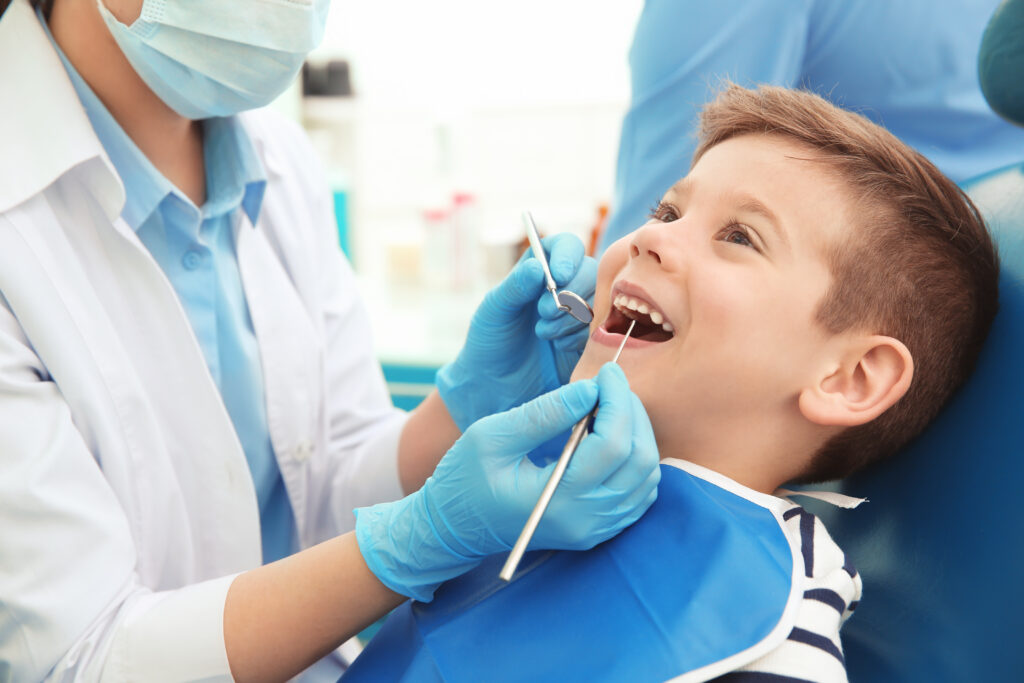
Many parents wonder about the right time for their child’s first dental visit. The answer often surprises them. While some wait until preschool years, dental experts recommend a much earlier timeline that can shape a child’s oral health for life. This early start prevents problems before they develop and creates positive experiences with dental care. Understanding when and why to schedule that first appointment makes all the difference for young smiles.
The Recommended Timeline for Your Baby’s First Dental Visit
Most pediatric dental organizations agree that a child should visit the dentist by their first birthday or within six months of their first tooth appearing, whichever comes first. This proper timing allows dentists to identify potential issues early and establish preventive care routines before problems develop.
Early visits focus on examining emerging teeth, checking jaw development, and teaching parents about dental hygiene practices specific to infants. Dentists can demonstrate proper cleaning techniques for baby teeth and discuss teething, bottle use, and pacifier habits. These appointments are typically brief and gentle, designed to create positive associations with dental care.
Starting dental visits early helps children become comfortable with the dental environment while their parents receive guidance on maintaining healthy teeth from the beginning. This foundation supports lifelong oral health.
Why Early Dental Visits Matter More Than You Think
Early dental visits serve three critical purposes that extend far beyond a simple checkup. These appointments help prevent future dental problems by establishing proper oral care routines before issues develop, while simultaneously building positive associations with dental care that can last a lifetime. Most importantly, pediatric dentists can detect hidden developmental concerns that parents might never notice, ensuring children receive timely intervention when treatment is simplest and most effective.
Preventing Future Dental Problems
A child’s first dental experiences shape their oral health trajectory for decades to come. Early visits allow dentists to identify potential issues before they develop into costly, painful problems. Regular checkups detect cavities, misalignment, and gum disease in their earliest stages when treatment remains simple and less invasive.
Beyond clinical intervention, these appointments focus on developing oral hygiene skills tailored to each child’s age and ability. Dentists demonstrate proper brushing techniques while parents learn how to supervise effectively at home. Establishing dental routines early normalizes preventive care, making twice-daily brushing and flossing automatic behaviors rather than battles.
Children who start dental visits by age one typically require fewer restorative procedures throughout childhood. They develop positive associations with dental care, reducing anxiety and ensuring consistent preventive maintenance into adulthood.
Building Positive Dental Habits
Every successful dental routine begins with experiences that teach children oral care can be comfortable and rewarding. Pediatric dentists help establish these foundations by demonstrating effective brushing techniques during early visits, showing parents how to guide small hands in circular motions and reach every tooth surface. These professionals transform oral care into engaging activities rather than chores.
Parents reinforce positive associations by encouraging dental hygiene through consistent praise and age-appropriate rewards. Morning and bedtime routines become opportunities for bonding when families brush together. Children who observe their parents’ commitment to oral health naturally adopt similar behaviors.
Early dental visits create familiarity with professional care environments, reducing anxiety about future appointments. This comfort, combined with proper home care habits established early, protects children’s oral health throughout their lives.
Detecting Hidden Issues Early
Beyond establishing healthy habits, professional dental examinations reveal problems invisible to parents’ eyes. Dentists use specialized tools and expertise to spot developing cavities between teeth, evaluate jaw alignment, and assess hidden developmental concerns before symptoms appear. This early identification allows for simpler, less invasive treatments that protect children’s comfort and oral health.
X-rays detect decay forming beneath tooth surfaces, while clinical examinations uncover bite irregularities that may affect speech or eating. Dentists also monitor eruption patterns, ensuring permanent teeth have adequate space. These preventive measures address minor issues before they become painful or expensive problems.
Parents cannot see beneath gum lines or predict orthodontic needs. Regular professional assessments catch tongue-tie, enamel defects, and growth abnormalities early, when intervention proves most effective and least traumatic for young patients.
Signs Your Child Needs to See a Dentist Sooner
While routine dental visits provide essential preventive care, certain warning signs indicate a child requires immediate dental attention. Persistent tooth pain that disrupts eating, sleeping, or daily activities signals the need for prompt evaluation by a pediatric dentist. Similarly, parents who notice dark spots, white patches, or visible holes in their child’s teeth should schedule an appointment without delay, as early intervention can prevent minor issues from becoming major dental problems.
Tooth Pain Complaints
When should parents take tooth pain complaints seriously? Any unexpected tooth pain requires immediate attention, even if the child cannot clearly articulate the discomfort. Young children may express dental pain through crying, refusing food, or touching their face repeatedly. Parents should never dismiss these signals as temporary issues.
Extreme discomfort that disrupts sleep, eating, or daily activities indicates a potentially serious dental problem requiring urgent care. Cavities, infections, or emerging teeth complications can cause significant pain in developing mouths. While some sensitivity during tooth eruption remains normal, persistent pain lasting more than two days warrants professional evaluation.
Early intervention prevents minor issues from becoming major dental emergencies. Dentists can quickly identify pain sources and provide appropriate relief, ensuring the child’s comfort and protecting their developing teeth from further damage.
Visible Tooth Decay
Parents who notice white, brown, or black spots on their child’s teeth should schedule a dental appointment promptly, as these discolorations often signal early decay. These visible dental stains require professional evaluation to determine their severity and appropriate treatment.
Early tooth discoloration typically appears first on the front teeth or molars’ chewing surfaces. White chalky patches indicate demineralization, while darker spots suggest more advanced decay. Parents should check their child’s teeth regularly during brushing, using good lighting to spot changes.
When caught early, dentists can often reverse minor decay through fluoride treatments and improved oral hygiene. Delaying care allows cavities to progress, potentially causing pain and requiring more extensive procedures. Regular monitoring helps parents identify concerning changes between routine checkups, ensuring timely intervention protects their child’s developing teeth.
What Happens During Your Child’s First Dental Appointment
The first dental appointment typically involves more conversation than actual examination, helping the child become comfortable in the new environment. The dentist will conduct a brief oral assessment, checking for proper tooth development and identifying any early concerns. Parents receive dental hygiene education tailored to their child’s age, including demonstrations of proper tooth cleaning techniques for small mouths.
The appointment remains brief and positive, usually lasting 15-20 minutes. The dentist may apply fluoride varnish if appropriate and discuss dietary habits affecting oral health. Some practices offer office tours, allowing children to explore equipment through play. The dental team answers parental questions about teething, thumb-sucking, and establishing healthy routines. This initial visit builds trust while providing families with essential preventive care knowledge for maintaining their child’s oral health at home.
Preparing Your Child for Their First Dentist Visit
Before the appointment arrives, families can take simple steps to create positive associations with dental visits through age-appropriate preparation. Parents should begin early communication with child about the upcoming visit, using simple, encouraging language that focuses on keeping teeth healthy and strong. Reading picture books about dentist visits helps normalize the experience while building familiarity with dental tools and procedures.
Positive mindset preparation includes role-playing “dentist” at home, letting children practice opening their mouth wide and counting teeth together. Parents should avoid using words like “hurt” or “shot” that might create unnecessary anxiety. Instead, they can emphasize how the dentist helps teeth stay sparkly clean. Scheduling appointments during times when children are well-rested and fed guarantees optimal cooperation. These preparatory strategies transform potential apprehension into curiosity and confidence.
Finding the Right Pediatric Dentist for Your Family
Several key factors distinguish exceptional pediatric dental practices from standard dental offices when families begin their search for professional care. Choosing a reputable pediatric dentist requires examining specialized training in child development and behavior management techniques. Board certification indicates additional years of pediatric-focused education beyond general dentistry.
Parents should prioritize evaluating a dentist’s bedside manner through initial consultations or observation opportunities. Skilled pediatric dentists demonstrate patience, use age-appropriate language, and maintain calm demeanors during children’s emotional moments. Their offices feature child-sized equipment, colorful décor, and welcoming atmospheres that reduce anxiety.
Practical considerations include location convenience, insurance acceptance, and emergency availability. Many practices offer virtual tours or meet-and-greet appointments, allowing families to assess compatibility before scheduling treatment. Professional referrals from pediatricians and parent testimonials provide valuable insights into practice quality and approach.
Common Dental Issues in Babies and Toddlers
Once families establish care with a qualified pediatric dentist, understanding typical oral health challenges helps parents recognize when professional intervention becomes necessary. Early childhood brings several predictable dental concerns that benefit from informed monitoring.
Teething issues affect most infants between four and seven months, causing irritability, drooling, and gum tenderness. While discomfort remains normal, excessive swelling or fever warrants dental consultation. Baby bottle tooth decay poses another risk when milk or juice pools around teeth during extended feeding sessions.
Thumb sucking habits typically develop as self-soothing mechanisms. Most children naturally discontinue by age four without intervention. However, persistent sucking beyond permanent tooth eruption may affect jaw development and tooth alignment. Pediatric dentists guide families through gentle cessation strategies when appropriate, ensuring healthy oral development continues uninterrupted.
Building Positive Dental Habits From the Start
While dental challenges may arise during early childhood, establishing positive oral care routines creates the foundation for lifelong healthy smiles. Parents should begin developing routine dental care even before teeth emerge by gently wiping gums with a soft, damp cloth after feedings. Once teeth appear, introducing age-appropriate toothbrushes makes cleaning enjoyable rather than stressful.
Promoting oral hygiene becomes easier when children participate in choosing their toothbrush or watching parents brush their own teeth. Making dental care fun through songs, timers, or reward charts helps children embrace these habits naturally. Consistency matters most—brushing twice daily at predictable times teaches children that dental care is non-negotiable. Early positive experiences with oral hygiene at home directly influence children’s attitudes toward professional dental visits and self-care practices throughout their lives.
Frequently Asked Questions
Does Dental Insurance Typically Cover a Child’s First Dental Visit?
Most dental insurance benefits cover a child’s first preventive visit, including cleaning and examination. Parents should verify their dental policy coverage beforehand, as plans typically encourage early visits to establish healthy habits and prevent future problems.
How Much Does a First Pediatric Dental Appointment Usually Cost?
First pediatric dental appointments typically cost $100-$300 without insurance. Many practices offer affordable payment plans and dental savings programs to help families manage expenses. These preventive visits establish healthy habits, making dental care less intimidating for children.
Can I Stay With My Child During Their Dental Examination?
Parents can typically stay with their child during dental examinations, providing parental presence during exam procedures. Most pediatric dentists encourage this practice, as comforting child during visit helps reduce anxiety and creates positive dental experiences for young patients.
Should I Stop Nighttime Breastfeeding Before the First Dental Visit?
Parents needn’t stop nighttime breastfeeding before the first dental visit. Dentists can assess the child’s oral health regardless of current feeding schedule and provide guidance on protecting teeth while maintaining healthy sleep habits for families.
What if My Child Has Special Needs or Sensory Issues?
Children with special needs benefit from pediatric dentists offering dental accommodations and sensory friendly environments. These practices provide modified visits, quieter settings, gradual desensitization, and specialized techniques ensuring comfortable, successful dental experiences tailored to each child’s unique requirements.