
Dental caries remains the most prevalent chronic disease worldwide, affecting 2.3 billion adults despite being largely preventable. Research demonstrates that systematic oral hygiene practices reduce caries incidence by up to 40% when properly implemented. The interplay between bacterial biofilms, salivary factors, and mechanical plaque removal creates a complex prevention paradigm. Understanding these mechanisms empowers individuals to make evidence-based decisions about their oral health before irreversible enamel damage occurs.
Understanding How Tooth Decay Develops and Progresses
When bacteria in the oral cavity metabolize dietary sugars and fermentable carbohydrates, they produce acids that initiate the demineralization of tooth enamel, marking the beginning of the caries process. Streptococcus mutans and Lactobacillus species exhibit specific bacterial growth patterns, forming biofilms that adhere to tooth surfaces and create acidic microenvironments with pH levels below 5.5.
The tooth enamel structure, composed of hydroxyapatite crystals arranged in prisms, undergoes dissolution when exposed to these acids repeatedly. Initial subsurface lesions appear as white spots, indicating mineral loss beneath intact surface layers. Without intervention, demineralization progresses through enamel into dentin, accelerating decay due to dentin’s higher organic content and lower mineral density. Advanced caries penetrates the pulp chamber, causing irreversible pulpitis and potential abscess formation, necessitating endodontic treatment or extraction.
The Science Behind Bacterial Plaque and Acid Production
The bacterial communities responsible for dental caries establish themselves within hours of tooth surface cleaning, initiating plaque formation through a well-characterized sequence of microbial colonization. Initial colonizers, chiefly streptococci species, adhere to the acquired pellicle via specific receptor interactions. These pioneer organisms facilitate secondary colonization by anaerobic bacteria through coaggregation mechanisms.
Within this biofilm matrix, cariogenic bacteria metabolize dietary fermentable carbohydrates, producing organic acids as metabolic byproducts. Streptococcus mutans and lactobacilli demonstrate particularly robust acid production capabilities, generating lactic, acetic, and propionic acids. These acids diffuse through plaque, reducing local pH below the critical threshold of 5.5. Sustained acidic conditions promote hydroxyapatite dissolution from enamel surfaces. The biofilm’s extracellular polysaccharide matrix restricts salivary buffering capacity, prolonging acid exposure and accelerating demineralization processes.
Essential Daily Brushing Techniques for Maximum Protection
How effectively an individual disrupts bacterial biofilms determines their caries prevention success, with mechanical plaque removal through toothbrushing serving as the primary intervention. Research demonstrates that effective brushing motions should follow systematic patterns: modified Bass technique positions bristles at 45-degree angles toward gingival margins, employing short vibratory strokes before sweeping coronally. Circular motions on occlusal surfaces guarantee fissure penetration.
Studies confirm proper brushing duration of two minutes minimum achieves optimal plaque reduction, with 30 seconds allocated per quadrant. Fluoride dentifrice contact time during this period enhances remineralization processes. Twice-daily brushing frequency disrupts biofilm maturation cycles before acidogenic bacteria establish cariogenic environments. Post-brushing expectoration without rinsing maintains therapeutic fluoride concentrations. Clinical evidence supports replacing toothbrushes every three months when bristle deformation compromises plaque removal competence.
The Critical Role of Flossing in Reaching Hidden Bacteria
Although toothbrushing removes supragingival plaque from accessible surfaces, interproximal regions harbor 40% of total tooth surface area where bristles cannot penetrate, necessitating mechanical disruption through dental floss. Interdental cleaning eliminates biofilm accumulation between teeth where cariogenic bacteria proliferate undisturbed. Research demonstrates that individuals practicing daily flossing exhibit 40% reduction in interproximal caries incidence compared to brushing alone.
The mechanical action disrupts bacterial colonies before they mature into pathogenic biofilms capable of demineralizing enamel. Moreover, flossing provides essential gum disease prevention by removing subgingival plaque deposits that trigger inflammatory responses. Studies indicate proper flossing technique reduces gingivitis markers by 58% within two weeks. Clinicians recommend unwaxed floss for ideal plaque removal, employing C-shaped motions against each tooth surface while advancing apically beneath the gingival margin.
Choosing the Right Oral Care Products for Your Needs
Beyond mechanical plaque removal through brushing and flossing, selection of appropriate dentifrices and antimicrobial agents drastically impacts caries prevention efficacy. Selecting appropriate toothbrushes requires consideration of bristle configuration, with soft-bristled options demonstrating ideal plaque disruption while minimizing enamel abrasion and gingival trauma. Electric toothbrushes with oscillating-rotating mechanisms show superior biofilm removal compared to manual counterparts in clinical trials.
When evaluating toothpaste options, fluoride concentration remains the primary determinant of anticariogenic potential. Formulations containing 1,000-1,500 ppm fluoride provide therapeutic remineralization benefits. Additional active ingredients such as triclosan, stannous fluoride, and arginine demonstrate enhanced antibacterial properties against cariogenic bacteria. Patients with xerostomia benefit from sodium lauryl sulfate-free formulations, while those with dentinal hypersensitivity require potassium nitrate or strontium chloride-containing products for symptom management.
Professional Cleanings and Their Impact on Decay Prevention
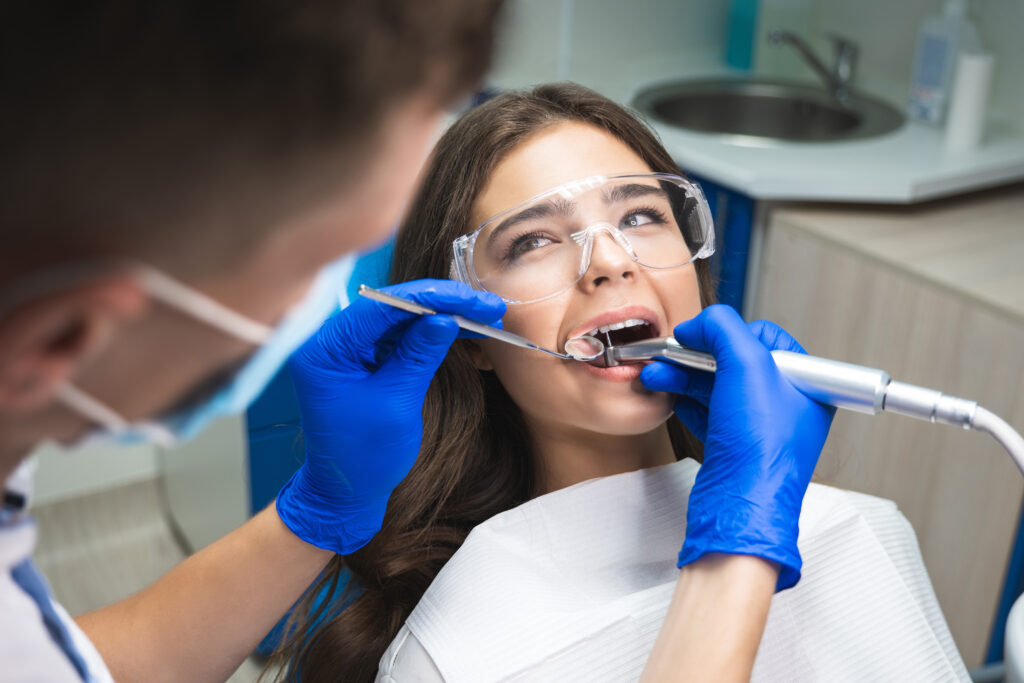
Professional dental cleanings remove calcified plaque deposits and bacterial biofilms that cannot be eliminated through routine home care, greatly reducing the substrate for acid-producing bacteria responsible for enamel demineralization. Clinical evidence demonstrates that patients receiving biannual prophylactic cleanings experience 40% fewer carious lesions compared to those with irregular dental visits. The American Dental Association recommends professional cleanings at six-month intervals for most patients, though individuals with elevated caries risk may benefit from quarterly appointments to maintain ideal oral health outcomes.
Plaque Removal Benefits
The systematic removal of bacterial biofilm through professional dental cleanings serves as a cornerstone intervention in caries prevention protocols. Professional plaque disruption eliminates calcified deposits that harbor cariogenic bacteria, particularly in areas inaccessible to routine home care. Clinical studies demonstrate that biannual prophylaxis reduces caries incidence by 40-60% when combined with ideal brushing techniques.
Mechanical debridement removes mature biofilms containing Streptococcus mutans and Lactobacillus species, disrupting the acidogenic environment responsible for enamel demineralization. Professional instrumentation reaches subgingival and interproximal surfaces where pathogenic colonies proliferate. The procedure eliminates bacterial endotoxins and metabolic byproducts that compromise tooth structure integrity. Additionally, polishing following scaling creates smooth surfaces that resist bacterial recolonization. This professional intervention resets the oral microbiome, providing patients a foundation for maintaining effective daily plaque control between appointments.
Cleaning Frequency Recommendations
How frequently should patients undergo professional prophylaxis to optimize caries prevention outcomes? Current evidence supports biannual professional cleanings for individuals with low caries risk, while high-risk populations benefit from quarterly interventions. Systematic reviews demonstrate that ideal cleaning frequency correlates with baseline periodontal status, salivary flow rates, and dietary cariogenicity scores.
Professional mechanical debridement removes mineralized biofilm deposits unreachable through home care protocols. Clinicians should evaluate individual risk factors including xerostomia, orthodontic appliances, and systemic conditions when determining prophylaxis intervals. Brush timing adjustments following professional cleanings enhance preventive efficacy—patients should delay brushing 30 minutes post-fluoride application to maximize remineralization potential. Meta-analyses confirm that personalized cleaning schedules reduce caries incidence by 28-40% compared to standardized six-month recalls, emphasizing the importance of risk-stratified preventive protocols in contemporary dental practice.
Dietary Habits That Support Your Oral Hygiene Routine
Dietary modifications serve as critical adjunants to mechanical plaque removal in caries prevention protocols. Strategic timing of sugar consumption, particularly limiting exposure frequency and confining intake to mealtimes, reduces the duration of acid attacks on tooth enamel. Incorporating calcium-rich foods such as dairy products, leafy greens, and fortified alternatives provides essential minerals for remineralization processes while neutralizing oral pH levels.
Sugar Intake Timing
When individuals consume sugary foods and beverages matters greatly for dental health, as oral bacteria metabolize these substrates into acids that demineralize tooth enamel. The timing of sugar consumption directly influences caries risk through sustained pH reduction in the oral cavity. Each exposure initiates a 20-30 minute acid attack, making the impact of frequent snacking particularly detrimental. Multiple sugar exposures throughout the day prevent saliva from neutralizing acids and remineralizing enamel between meals.
Research demonstrates that consolidating sugar intake during main meals, rather than distributing consumption across multiple eating occasions, substantially reduces caries incidence. Limiting sugary substances to mealtimes allows increased salivary flow during eating to buffer acids more effectively. Dental professionals recommend avoiding sugar-containing snacks between meals and eliminating bedtime consumption when salivary protection diminishes during sleep.
Calcium Rich Foods
Adequate calcium intake through dietary sources plays a fundamental role in maintaining tooth structure integrity and supporting remineralization processes essential for caries prevention. Dairy products including milk, cheese, and yogurt provide bioavailable calcium that strengthens enamel matrix formation and enhances salivary calcium concentrations. Research demonstrates that individuals consuming three servings of dairy daily exhibit 40% lower caries incidence compared to those with minimal intake.
Beyond traditional sources, fortified plant-based alternatives and leafy greens offer substantial calcium content. When dietary intake proves insufficient, mineral supplements containing calcium phosphate or calcium carbonate may augment dental mineralization. Clinical evidence suggests 1000-1200mg daily calcium intake optimizes tooth remineralization capacity. Cheese consumption specifically stimulates saliva production while delivering calcium directly to tooth surfaces, providing dual protective mechanisms against demineralization.
Warning Signs That Your Current Oral Care Needs Improvement
Although individuals may maintain regular brushing habits, several clinical indicators suggest inadequate oral hygiene practices that predispose teeth to carious lesions. Persistent halitosis despite routine brushing indicates bacterial overgrowth requiring professional intervention. Gingival bleeding during brushing or flossing signals inflammation from plaque accumulation along the gumline.
Visible discoloration, including white spot lesions or brown patches on enamel surfaces, represents early demineralization processes. Patients experiencing dentinal hypersensitivity to thermal stimuli should evaluate their brushing technique and fluoride exposure. Abnormal growths, such as gingival hyperplasia or mucosal lesions, warrant immediate dental consultation.
Additional warning signs include xerostomia, recurring aphthous ulcers, and interdental food impaction. These manifestations necessitate thorough reassessment of oral hygiene protocols, dietary modifications, and potential adjunctive therapies to prevent progression to irreversible carious destruction.
Frequently Asked Questions
Can Electric Toothbrushes Prevent Cavities Better Than Manual Ones?
Research indicates electric toothbrushes demonstrate superior cleaning efficiency through oscillating-rotating brush head design, removing appreciably more plaque than manual brushing. Clinical studies show 21% greater plaque reduction, translating to enhanced caries prevention when used with proper technique.
How Much Does Genetics Influence My Risk of Tooth Decay?
Genetic predisposition to cavities accounts for approximately 60% of decay risk through hereditary tooth structure variations affecting enamel composition and salivary properties. However, preventive oral hygiene practices can effectively mitigate most genetically-influenced susceptibility factors.
Is Mouthwash Necessary if I Brush and Floss Properly?
Mouthwash remains optional when individuals demonstrate proper plaque removal through mechanical cleaning. Clinical evidence indicates brushing with fluoride toothpaste and interdental cleaning provide sufficient caries prevention. Fluoride effectiveness from dentifrice typically meets preventive requirements without adjunctive rinses.
Can Tooth Decay Be Reversed Once It Starts?
Early-stage tooth decay can be reversed through remineralizing tooth enamel before cavity formation occurs. Professional fluoride treatments, combined with improved oral hygiene practices and dietary modifications, facilitate mineral restoration in demineralized areas, preventing progression to irreversible cavitation.
Are Dental Sealants Effective for Cavity Prevention in Adults?
Research demonstrates effectiveness of dental sealants in adult cavity prevention, particularly for high-risk patients. Adult sealant application techniques target occlusal surfaces of molars, reducing caries incidence by 80% when properly placed on sound enamel surfaces.