
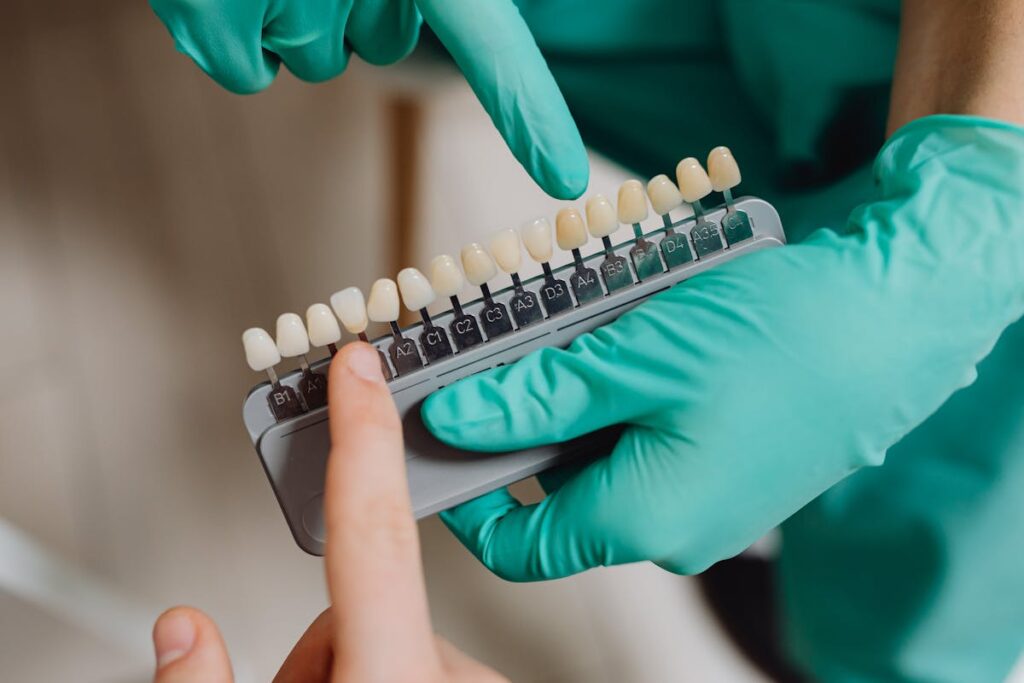
Determining the appropriate timing for dental crown placement requires careful assessment of tooth structure integrity and functional requirements. Clinical evidence demonstrates that teeth with more than fifty percent structural loss or those exhibiting recurrent fracture patterns often necessitate full coverage restorations. The decision matrix involves evaluating remaining dentin thickness, pulpal status, and occlusal forces. Comprehending these critical factors guarantees suitable treatment outcomes and prevents catastrophic tooth failure in compromised dentition.
Signs Your Tooth Damage Requires a Crown
A tooth may require crown restoration when structural integrity becomes compromised beyond what conservative treatments can adequately address. Extensive decay affecting more than fifty percent of the tooth structure typically necessitates crown placement. Cracked tooth structure presenting with symptoms during mastication indicates insufficient remaining enamel and dentin to withstand occlusal forces without full coverage protection.
Severe tooth discoloration unresponsive to bleaching procedures, particularly following endodontic treatment or trauma, often requires crown restoration for aesthetic rehabilitation. Large amalgam or composite restorations exhibiting recurrent decay or marginal breakdown compromise remaining tooth structure stability. Post-endodontic teeth demonstrate increased fracture susceptibility due to desiccation and structural loss from access preparation. Clinical examination revealing cuspal fractures, vertical cracks extending subgingivally, or minimal remaining coronal structure warrants immediate crown consideration to prevent catastrophic failure.
Common Dental Conditions That Need Crown Treatment
Several pathological conditions necessitate crown restoration to maintain tooth functionality and prevent progressive deterioration. Advanced dental caries extending beyond enamel into dentin compromises structural integrity, requiring crown placement when filling materials prove insufficient. Root canal therapy removes pulpal tissue, rendering teeth brittle and susceptible to fracture without crown protection.
Cracked tooth syndrome, characterized by incomplete fractures extending from occlusal surfaces toward cervical regions, demands crown coverage to prevent complete separation. Severe bruxism causes excessive wear, reducing vertical dimension and exposing dentin. Amelogenesis imperfecta and dentinogenesis imperfecta present developmental anomalies requiring full coverage restorations.
Tooth discoloration factors including tetracycline staining, fluorosis, and intrinsic discoloration resistant to bleaching procedures indicate crown treatment. Research demonstrates dental crown longevity exceeds fifteen years with proper maintenance, making crowns cost-effective solutions for these irreversible conditions requiring permanent restoration.
Evaluating Tooth Structure and Remaining Enamel
Following identification of pathological conditions requiring crown restoration, clinicians must conduct thorough assessment of remaining tooth structure to determine treatment viability. Evaluation begins with measuring residual tooth height above the gingival margin, requiring minimum 2-3mm of sound structure for adequate ferrule effect. Radiographic examination reveals root length, periapical status, and internal tooth anatomy.
The enamel condition directly influences preparation design and bonding protocols. Fractured, demineralized, or extensively restored teeth may lack sufficient remaining enamel amount for conservative preparations. Clinicians assess dentin exposure percentage, existing restoration margins, and structural integrity through visual inspection and percussion testing. When remaining enamel amount falls below 50% of original tooth structure, crown placement becomes indicated. Inadequate tooth structure necessitates alternative treatments including core buildup, post placement, or extraction with implant consideration.
Crown Placement After Root Canal Therapy
When endodontic treatment compromises tooth structure through access cavity preparation and canal instrumentation, crown placement becomes essential for long-term restoration survival. The loss of coronal dentin during access cavity creation considerably reduces cuspal stiffness, increasing fracture susceptibility under occlusal forces.
The ideal crown placement timeline following root canal therapy varies between anterior and posterior teeth. Posterior teeth require immediate temporary protection followed by definitive crown placement within four weeks to prevent catastrophic fractures. Anterior teeth with minimal structural loss may accommodate delayed restoration.
Research demonstrates superior crown longevity after root canal when placement occurs promptly. Studies indicate five-year survival rates exceeding 90% for teeth crowned within three months post-endodontic therapy, compared to 65% for uncrowned teeth. Ferrule effect preservation through maintaining 2mm of sound tooth structure circumferentially enhances biomechanical retention and resistance form.
Choosing Between Crowns and Alternative Treatments
The selection of dental crowns versus alternative restorative options requires careful evaluation of tooth structure integrity, functional demands, and aesthetic requirements. When comparing crowns to direct fillings, clinicians must assess the extent of tooth structure loss, with crowns indicated when cuspal coverage is necessary to prevent fracture in teeth with extensive caries or large existing restorations. The decision between crowns and veneers depends primarily on the degree of tooth reduction required, with veneers offering a more conservative approach for anterior teeth with intact lingual and proximal surfaces.
Crown vs. Filling
How does a dentist determine whether a tooth requires a crown or can be adequately restored with a filling? The decision primarily depends on the extent of tooth damage and remaining structural integrity. Fillings suffice when decay affects less than 50% of the tooth’s biting surface and sufficient enamel remains to support the restoration. Dentists evaluate factors including cavity size, location, and residual tooth wall thickness through radiographic and clinical examination.
Crowns become necessary when extensive decay, fractures, or large existing restorations compromise the tooth’s structural foundation. Teeth exhibiting recurrent decay beneath fillings, vertical cracks, or severe tooth sensitivity from exposed dentin often require full coverage restoration. Additionally, endodontically treated posterior teeth typically need crowns due to increased brittleness and fracture susceptibility. The practitioner must assess occlusal forces and patient-specific risk factors when making this determination.
Crown vs. Veneer
Anterior teeth requiring aesthetic restoration present clinicians with a fundamental choice between crowns and veneers, each offering distinct advantages based on specific clinical indications. Veneers preserve substantially more tooth structure, removing only 0.3-0.7mm of enamel compared to 1.5-2mm circumferential reduction required for crowns. This conservation makes veneers preferable for teeth with intact lingual surfaces and minimal structural compromise.
However, crowns demonstrate superior durability for teeth with extensive decay, large restorations, or endodontic treatment. Crown lifespan typically extends 10-15 years versus 7-10 years for veneers, particularly in patients with parafunctional habits. Crown cost considerations reveal higher initial investment but potentially lower long-term expense due to enhanced longevity. Veneers cannot address significant occlusal dysfunction or provide adequate strength for compromised tooth structure, making crowns essential when structural reinforcement supersedes conservative preparation.
Different Types of Dental Crowns and Their Applications
Dental crown selection requires careful consideration of material properties and clinical indications for ideal treatment outcomes. Porcelain crowns provide superior aesthetics and biocompatibility for anterior restorations, while metal crowns demonstrate exceptional longevity and resistance to occlusal forces in posterior applications. Temporary crowns serve as provisional restorations during the fabrication period, maintaining tooth position and protecting prepared tooth structure from thermal sensitivity and bacterial infiltration.
Porcelain Crown Benefits
When evaluating restorative options for damaged dentition, porcelain crowns demonstrate superior aesthetic properties compared to alternative materials due to their translucent qualities that closely mimic natural tooth enamel. The translucent appearance of porcelain enables ideal light reflection patterns, producing lifelike aesthetics that render the restoration virtually indistinguishable from adjacent natural teeth. Clinical studies indicate porcelain exhibits excellent biocompatibility, minimizing gingival irritation and allergic responses. The material’s smooth surface resists plaque accumulation more effectively than metal-based alternatives, promoting periodontal health. Additionally, porcelain crowns maintain color stability over extended periods, resisting staining from dietary chromogens. Their thermal insulation properties protect pulpal tissues from temperature fluctuations. Modern porcelain formulations demonstrate enhanced fracture resistance through crystalline reinforcement, providing durability comparable to metal-ceramic restorations while preserving superior aesthetic outcomes.
Metal Crown Durability
While porcelain crowns excel in aesthetic applications, metal crowns remain the gold standard for posterior restorations requiring maximum structural integrity and longevity. The exceptional metal crown strength derives from high-noble alloys containing gold, platinum, or palladium, which demonstrate superior resistance to fracture and wear. These restorations withstand occlusal forces exceeding 600 Newtons, making them ideal for patients with bruxism or heavy masticatory patterns.
Clinical studies document an average metal crown lifespan of 20-30 years, with some restorations functioning effectively for over four decades. The material’s malleability permits minimal tooth reduction of 0.5-1.0mm, preserving more natural tooth structure than ceramic alternatives. Additionally, metal crowns exhibit negligible opposing tooth wear and maintain marginal integrity through thermal cycling. Their biocompatibility and corrosion resistance further contribute to long-term clinical success in demanding posterior applications.
Temporary Crown Uses
During the fabrication period for permanent restorations, temporary crowns serve critical protective and functional roles in maintaining tooth position, occlusal relationships, and pulpal health. These provisional restorations prevent dentin hypersensitivity and bacterial infiltration following temporary crown preparation while preserving periodontal architecture and interdental contacts.
Temporary crown longevity typically ranges from two to three weeks, though extended wear may accommodate complex treatment sequences or financial constraints. Materials include prefabricated polycarbonate shells, bis-acryl composites, and polymethyl methacrylate resins, each offering distinct mechanical properties and aesthetic characteristics.
Clinical applications extend beyond routine crown procedures to include emergency stabilization of fractured teeth, diagnostic evaluation of proposed occlusal changes, and interim restoration during implant osseointegration. Proper cementation with temporary luting agents guarantees retrievability while maintaining adequate retention throughout the provisional phase.
The Crown Procedure Timeline and What to Expect
The crown procedure typically requires two dental appointments spanning approximately two to three weeks from initial preparation to final cementation. During the first appointment, the dentist administers local anesthesia, removes decay, and shapes the tooth structure to accommodate the crown. Digital or traditional impressions capture precise tooth morphology for laboratory fabrication. A temporary acrylic restoration protects the prepared tooth during the interim period.
The second appointment involves removing the temporary crown, evaluating the permanent restoration’s fit, shade, and occlusion, then cementing it using adhesive bonding agents. Treatment expectations include mild sensitivity following preparation, potential temporary crown dislodgement requiring immediate attention, and post-cementation adjustment periods lasting several days. The complete procedure timeline varies based on laboratory turnaround, complex cases requiring additional preparatory procedures, and whether same-day CAD/CAM technology is utilized.
Long-Term Benefits and Maintenance of Dental Crowns
When properly maintained, dental crowns provide substantial functional restoration and aesthetic enhancement that can extend beyond two decades of clinical service. Their long lasting durability depends on material selection, placement technique, and patient compliance with maintenance protocols. Crowns protect compromised tooth structure from fracture, restore masticatory function, and prevent bacterial infiltration.
Maintenance requirements include biannual professional examinations, daily interdental cleaning, and fluoride application to exposed margins. Patients should avoid parafunctional habits and excessive occlusal forces that compromise crown integrity. Regular radiographic assessment identifies marginal discrepancies or recurrent caries before clinical manifestation.
Crown longevity directly correlates with maintaining ideal oral health through consistent hygiene practices. Studies demonstrate that properly maintained crowns exhibit 94% survival rates at ten years, with metal-ceramic and monolithic zirconia demonstrating superior performance metrics.
Frequently Asked Questions
How Much Does a Dental Crown Typically Cost With and Without Insurance?
Dental crown procedures exhibit an average cost range of $800-$1,700 without insurance coverage details. Insurance typically reduces patient responsibility to $300-$800, contingent upon plan specifications, deductibles, and annual maximums for restorative dental procedures.
Can I Get an MRI Scan if I Have a Metal Crown?
Patients with metal crowns can safely undergo MRI scanning. Metal crown compatibility poses no contraindications, though artifacts may obscure adjacent structures. Unlike ferromagnetic implants, dental imaging restrictions don’t apply to fixed prostheses during magnetic resonance procedures.
Will My Dental Crown Feel Different From My Natural Teeth?
Patients may experience noticeable texture differences between crowned and natural teeth initially. The restoration’s surface characteristics and potential for discomfort typically diminish as oral tissues adapt. Most individuals report normalized sensation within several weeks post-placement.
Can I Whiten a Dental Crown After It’s Been Placed?
Dental crowns cannot be whitened after placement as crown bleaching is not recommended due to porcelain’s non-porous nature. Patients seeking lighter shade must consider crown replacement options, as traditional whitening agents prove ineffective on prosthetic materials.
What Happens if I’m Allergic to Crown Materials?
Patients experiencing allergic reactions to crown materials should undergo allergy testing options to identify specific sensitivities. Dentists can then recommend alternative crown materials such as zirconia, gold alloys, or metal-free ceramics to guarantee biocompatibility and prevent adverse reactions.