
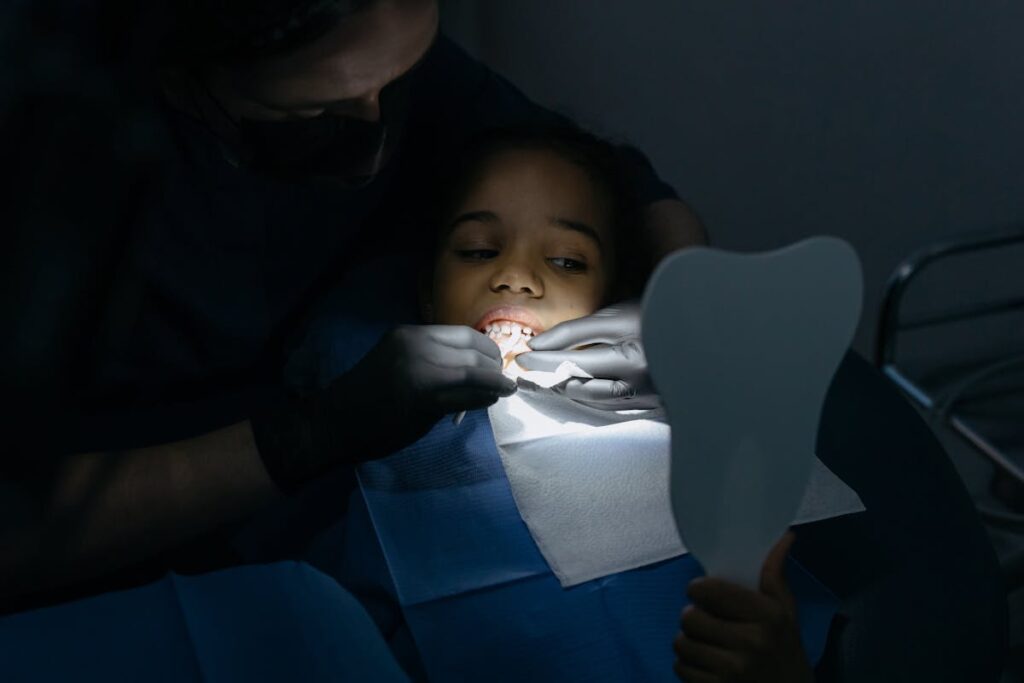
Dental care exists on a continuum between prevention and restoration. The distinction determines treatment protocols, financial obligations, and long-term oral health outcomes. Preventive measures halt disease progression before structural damage occurs. Restorative interventions repair existing pathology. This fundamental difference shapes clinical decision-making and patient care strategies. Understanding where specific procedures fall within this spectrum affects both immediate treatment choices and the trajectory of future dental health.
Understanding Preventive Dental Care and Its Core Components
Preventive dental care encompasses three fundamental approaches designed to maintain oral health and prevent disease before intervention becomes necessary. The first component involves professional maintenance, including biannual cleanings, fluoride treatments, and extensive examinations that detect early pathological changes. The second component centers on patient-administered dental hygiene practices, comprising twice-daily brushing with fluoridated dentifrice, interproximal cleaning, and antimicrobial rinses. These oral hygiene routines form the foundation of plaque biofilm disruption and caries prevention. The third component addresses risk modification through dietary counseling, habit cessation programs, and protective appliances such as occlusal guards and athletic mouthguards. Together, these elements create a thorough preventive framework that reduces bacterial colonization, strengthens enamel resistance, and identifies subclinical conditions before they progress to irreversible damage requiring restorative intervention.
Common Restorative Dental Procedures and When They’re Needed
When preventive measures fail to halt disease progression or trauma compromises dental structures, restorative procedures become necessary to rehabilitate form, function, and aesthetics. Cavity fillings represent the most common restorative intervention, addressing carious lesions through removal of decayed tissue and placement of materials such as composite resin or amalgam. Advanced decay necessitates more extensive treatments including crown replacements, which restore severely damaged teeth through full-coverage prosthetics.
Root canal therapy addresses irreversible pulpitis and periapical pathology. Dental bridges span edentulous spaces, while implants provide osseointegrated solutions for missing teeth. Dentures serve patients with extensive tooth loss. Each procedure targets specific pathological conditions: fillings for incipient-to-moderate caries, crowns for fractured or extensively restored teeth, and extractions for non-restorable dentition. Treatment selection depends on disease severity, structural integrity, and patient-specific factors.
The Financial Impact: Comparing Costs Between Prevention and Restoration
The economic disparity between preventive and restorative dental care presents significant implications for patient financial planning and healthcare decision-making. Insurance plans typically allocate higher coverage percentages for preventive services while imposing greater limitations and co-payments on restorative procedures, creating distinct out-of-pocket expense patterns for patients. Analysis of longitudinal cost data demonstrates that consistent investment in preventive care yields substantial cumulative savings by reducing the frequency and severity of restorative interventions required over a patient’s lifetime.
Insurance Coverage Differences
How do insurance policies differentiate between preventive and restorative dental procedures with regards to coverage and reimbursement rates? Most dental insurance plans provide higher reimbursement percentages for preventive services, typically covering 80-100% of costs for routine cleanings, examinations, and fluoride treatments. Conversely, restorative procedures face reduced coverage levels, with major treatments like crowns or bridges reimbursed at 50% after deductibles.
Policy limits establish annual maximum benefits, generally ranging from $1,000-$2,000, which restorative procedures quickly exhaust. Coverage exclusions frequently eliminate cosmetic treatments and may impose waiting periods for major restorative work. Insurance carriers classify procedures using Current Dental Terminology codes, determining benefit eligibility based on medical necessity rather than patient preference. This tiered structure incentivizes preventive care while limiting financial exposure for expensive restorative interventions.
Long Term Savings
Beyond insurance coverage parameters, economic analysis reveals substantial cost disparities between preventive and restorative dental interventions over patient lifespans. Preventive care demonstrates significant cost reduction potential through early pathology detection and minimal intervention requirements. Regular prophylactic cleanings, fluoride applications, and sealants typically range from $200-500 annually, while single restorative procedures often exceed $1,500-3,000.
Financial planning models indicate patients maintaining consistent preventive protocols experience 40-60% lower cumulative dental expenses over decades compared to episodic restorative treatment patterns. Preventive investments compound value by preserving natural tooth structure, eliminating progressive damage costs, and avoiding complex rehabilitative procedures. Conversely, deferred maintenance necessitates escalating interventions: fillings progress to crowns, crowns to root canals, ultimately requiring extractions and prosthetic replacements. This economic trajectory underscores prevention’s superior long-term financial efficiency.
Out of Pocket Costs
Patient financial responsibility varies markedly between preventive and restorative dental services, with out-of-pocket expenses reflecting distinct reimbursement structures and treatment complexities. Most dental insurance plans cover preventive procedures at 80-100%, minimizing patient costs for routine cleanings, examinations, and fluoride treatments. Conversely, restorative interventions typically require substantial cost-sharing, with coverage ranging from 50-80% for basic procedures and declining further for major reconstructive work.
Treatment plan considerations prominently influence financial obligations. Preventive care follows predictable fee schedules with minimal variation, enabling accurate cost projections. Restorative treatments present variable pricing dependent upon material selection, procedural complexity, and laboratory fees. Deductibles apply primarily to restorative services, while annual maximums constrain coverage for extensive rehabilitation. This disparity incentivizes preventive compliance while creating financial barriers to necessary restorative interventions.
How Timing Affects Your Treatment Options and Outcomes
Three critical factors determine the success of dental interventions: the stage of disease progression, the availability of treatment modalities, and the patient’s systemic health status at the time of presentation. Early intervention strategies greatly expand treatment options while minimizing invasive procedures. Initial demineralization responds to fluoride applications, whereas advanced caries requires excavation and restoration.
Timely dental checkups enable detection of subclinical pathology through radiographic and clinical assessments. Delayed diagnosis transforms reversible conditions into irreversible damage, narrowing therapeutic alternatives. Periodontal disease exemplifies this progression: gingivitis resolves with prophylaxis and improved hygiene, while periodontitis necessitates surgical intervention and potential tooth loss.
Treatment outcomes correlate directly with intervention timing. Prompt management preserves tooth structure, reduces procedural complexity, and improves long-term prognosis. Postponement invariably leads to extensive rehabilitation, compromised outcomes, and elevated treatment costs.
The Role of Insurance Coverage in Preventive Versus Restorative Services
Dental insurance plans typically demonstrate distinct coverage patterns between preventive and restorative services, with preventive procedures often reimbursed at 80-100% while restorative treatments may only receive 50-80% coverage. Most insurance carriers require prior authorization for restorative procedures exceeding specific cost thresholds, whereas preventive services generally proceed without preapproval requirements. These coverage disparities create financial incentives that influence patient decision-making and treatment acceptance rates across both categories of dental care.
Coverage Percentage Differences
When examining dental insurance policies, a fundamental distinction emerges between the coverage percentages allocated to preventive versus restorative procedures. Most dental plans reimburse preventive services at 80-100%, reflecting insurers’ recognition that early intervention reduces long-term costs. Routine cleanings, examinations, and fluoride treatments typically incur minimal or no patient expense.
Conversely, restorative treatments face reduced coverage rates. Basic restorative procedures, including fillings and simple extractions, generally receive 70-80% reimbursement. Major restorative work—crowns, bridges, and dentures—drops to 50% coverage in standard policies. This plan comparison reveals strategic benefit differences designed to incentivize preventive care utilization.
Annual maximums further differentiate coverage levels. While preventive services often exempt from yearly limits, restorative procedures count toward caps ranging from $1,000-$2,500, creating significant out-of-pocket expenses for extensive treatment needs.
Prior Authorization Requirements
Beyond coverage percentages, insurance carriers implement distinct administrative protocols for preventive and restorative procedures through prior authorization requirements. Preventive services typically bypass preapproval processes, allowing patients immediate access to routine examinations, cleanings, and screenings. Insurance companies classify these services as essential maintenance, eliminating administrative barriers.
Restorative treatments face prior authorization complexities that considerably impact patient care delivery. Procedures exceeding predetermined cost thresholds require documentation submission, including radiographs, clinical narratives, and treatment justifications. The authorization approval timeline varies between carriers, ranging from 15 to 30 business days for standard requests. Emergency restorative procedures may qualify for expedited review within 72 hours. Denial rates for restorative authorizations average 20-30%, necessitating appeals processes that further delay treatment. These administrative requirements create distinct pathways between preventive and restorative care access, influencing treatment planning decisions.
Signs You May Be Transitioning From Preventive to Restorative Needs
Several clinical indicators suggest a patient’s oral health status requires intervention beyond routine preventive measures. Persistent sensitivity to temperature changes, visible enamel erosion, or recurrent bleeding during brushing indicate compromised dental integrity requiring restorative assessment. Radiographic evidence of incipient carious lesions, periodontal pocket depths exceeding 4mm, or tooth mobility represents definitive shift markers.
Noticeable dental changes include darkening tooth surfaces, fracture lines, or gingival recession exposing root surfaces. These manifestations necessitate extensive evaluation and potential therapeutic intervention. Lifestyle modifications impacting needs encompass dietary shifts increasing acid exposure, medication-induced xerostomia, or systemic conditions affecting oral homeostasis. Bruxism patterns, evidenced by occlusal wear facets, similarly signal restorative requirements. Clinicians must recognize these transitional indicators to implement timely restorative protocols, preventing progression to irreversible pulpal involvement or tooth loss.
Creating a Balanced Approach to Long-Term Oral Health
Although preventive and restorative modalities serve distinct clinical functions, ideal oral health outcomes require strategic integration of both approaches throughout a patient’s lifetime. A balanced oral hygiene routine encompasses daily prophylactic measures alongside periodic professional interventions tailored to individual risk factors and existing conditions.
Patients demonstrating lifelong dental commitment typically exhibit superior treatment outcomes through consistent preventive protocols that minimize restorative interventions. This approach involves regular professional assessments, radiographic monitoring, and prophylactic treatments combined with meticulous home care regimens. When restorative procedures become necessary, their integration should complement ongoing preventive strategies rather than replace them.
Clinicians must educate patients that excellent oral health necessitates continuous preventive vigilance even after restorative treatment completion. This dual-faceted methodology reduces disease recurrence, preserves tooth structure, and maintains periodontal stability throughout aging processes.
Technology’s Influence on Modern Preventive and Restorative Techniques
How have digital innovations transformed contemporary dental practice across both preventive and restorative domains? Modern dentistry employs sophisticated diagnostic tools that detect pathology earlier and enable precise treatment planning. Intraoral scanners eliminate traditional impressions while providing accurate three-dimensional models for both preventive appliances and restorative prosthetics. Computer-aided design and manufacturing systems produce crowns, bridges, and aligners with unprecedented accuracy.
Technological advancements enhance preventive protocols through laser cavity detection, digital radiography with reduced radiation exposure, and artificial intelligence algorithms that identify periodontal disease patterns. Restorative procedures benefit from surgical guides, implant planning software, and regenerative technologies. These tools minimize procedural errors, reduce treatment time, and improve clinical outcomes. The integration of teledentistry platforms extends preventive education and post-operative monitoring capabilities, fundamentally reshaping patient care delivery models across both treatment philosophies.
Frequently Asked Questions
Can I Switch From Restorative to Preventive Care After Major Dental Work?
Patients can move from restorative to preventive care following completed major dental procedures. Dental insurance coverage typically supports shifting care plans once restoration achieves oral health stability. Regular cleanings and examinations constitute standard preventive maintenance post-treatment.
How Do Age and Genetics Influence My Need for Restorative Procedures?
Genetic factors predispose individuals to periodontal disease, enamel defects, and malocclusion, increasing restorative needs. Age related changes include enamel erosion, gingival recession, and decreased salivary flow, accelerating tooth deterioration requiring complex restorative interventions over time.
What’s the Difference Between Cosmetic and Restorative Dental Treatments?
Cosmetic treatments focus on aesthetic enhancements to improve appearance without medical necessity, while restorative procedures provide functional enhancements that repair damaged teeth, replace missing structures, and restore proper oral health, often simultaneously improving both function and aesthetics.
How Often Should Children Transition Between Preventive and Restorative Care Approaches?
Children should move between preventive and restorative approaches based on individual proactive health screenings conducted biannually. Customized care plans determine frequency, typically involving preventive measures continuously with restorative interventions implemented when pathology is clinically detected.
Do Preventive and Restorative Treatments Require Different Post-Care Maintenance Routines?
Yes, restorative treatments typically demand enhanced post-care protocols beyond standard daily oral hygiene habits. Patients must maintain meticulous brushing, flossing, and attend more frequent regular dental checkups to preserve restoration integrity and prevent secondary complications.