
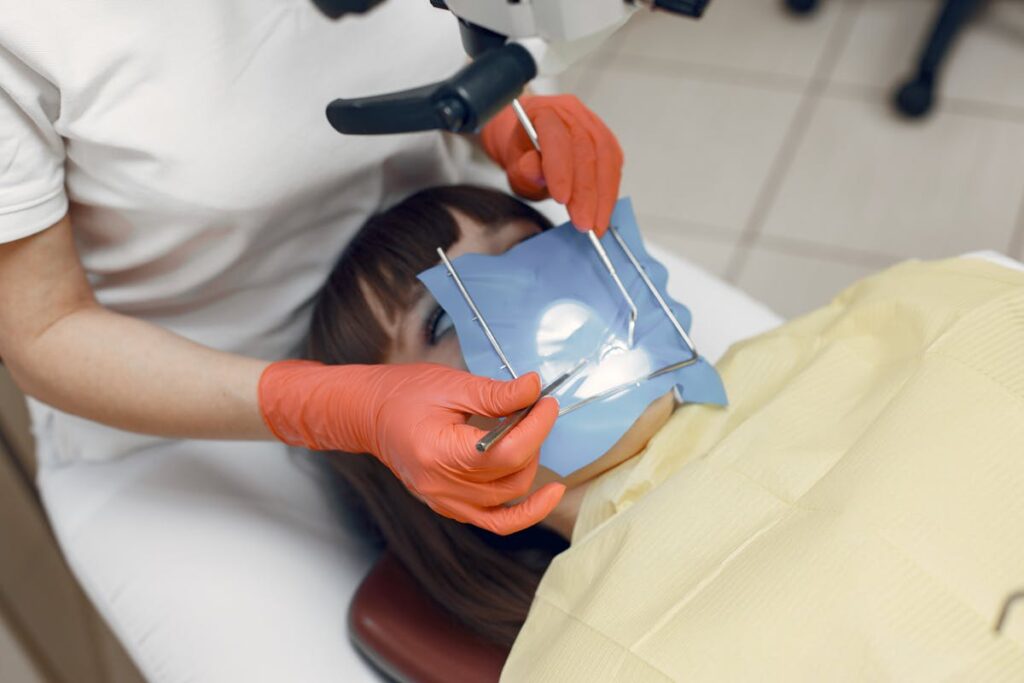
Preventive dental care demonstrates significant economic advantages through documented cost reduction patterns. Clinical studies indicate patients maintaining biannual prophylactic appointments incur 40-60% fewer expenses over decade-long periods compared to episodic care seekers. The financial disparity between preventive interventions and restorative procedures remains substantial, with root canal therapy costing approximately ten times more than early carious lesion treatment. Understanding these economic implications requires examination of both immediate and long-term fiscal outcomes.
The True Cost of Skipping Regular Dental Checkups
When patients forgo routine dental examinations, the financial consequences extend far beyond the immediate savings of avoided appointment fees. Minor cavities undetected during biannual checkups progress into extensive decay requiring root canals, costing ten times more than simple fillings. The dental costs consequences multiply exponentially as untreated periodontal disease advances, potentially necessitating surgical interventions ranging from $500 to $10,000 per quadrant.
Research demonstrates that neglected dental care impact includes systemic health complications. Untreated oral infections correlate with cardiovascular disease, diabetes complications, and respiratory infections, generating substantial medical expenses. Studies indicate patients who skip preventive care spend 40% more on emergency treatments annually. Additionally, advanced dental pathology often requires multiple appointments, prescription medications, and specialized procedures. The cumulative financial burden of deferred maintenance far exceeds the modest investment in preventive care.
Early Detection: Your First Line of Defense Against Expensive Procedures
Early diagnostic protocols enable dental professionals to identify pathological changes before they necessitate complex interventions, with incipient carious lesions costing approximately $200 to restore versus $1,500-$3,000 for endodontic treatment and crown placement. Periodontal screening identifies subclinical inflammation markers and attachment loss patterns that, when addressed through prophylactic scaling, prevent the progression to surgical periodontal therapy requiring specialized intervention. Radiographic examination yields a documented return on investment of 1:4, as bitewing and periapical imaging detect interproximal decay and periapical pathology averaging 24 months before clinical manifestation.
Cavity Spotting Saves Thousands
How markedly does timely caries detection impact long-term dental expenditures? Research demonstrates that early cavity identification reduces treatment costs by 80-90% compared to advanced decay requiring endodontic therapy. Initial enamel demineralization, when detected through routine examination, necessitates only remineralization protocols costing $30-150, whereas untreated progression to pulpal involvement demands root canal therapy averaging $1,000-2,000 per tooth.
Professional dental plaque removal during biannual prophylaxis appointments eliminates biofilm accumulation, the primary etiological factor in caries development. Studies indicate patients maintaining regular preventive care experience 40% fewer cavities over five years. Additionally, radiographic screening identifies interproximal lesions before clinical manifestation, enabling conservative interventions. Cost-benefit analyses reveal every dollar invested in preventive cavity detection yields four dollars in avoided restorative expenses, substantiating the economic advantage of systematic caries surveillance protocols.
Gum Disease Warning Signs
Why do periodontal diseases account for the highest proportion of tooth loss in adults over 35? Bacterial biofilm accumulation triggers inflammatory cascades that destroy supporting alveolar bone and periodontal ligaments. Early detection prevents irreversible tissue degradation requiring costly interventions.
Primary warning indicators include gingival bleeding during brushing or flossing, indicating active inflammation. Swollen gums present as enlarged, erythematous tissue with loss of normal stippling patterns. Gingival recession exposes root surfaces, manifesting as receding gums that create temperature sensitivity and aesthetic concerns. Additional signs encompass persistent halitosis, tooth mobility, and purulent exudate from periodontal pockets.
Untreated periodontitis necessitates scaling and root planing ($200-$300 per quadrant), osseous surgery ($1,000-$3,000 per quadrant), or tooth extraction with implant replacement ($3,000-$5,000 per tooth). Biannual periodontal assessments enable timely intervention, preventing disease progression and associated financial burden.
X-Ray Investment Returns
Diagnostic radiography identifies pathological changes before clinical symptoms manifest, enabling intervention when treatment costs remain minimal. Digital x ray technology advances have enhanced diagnostic accuracy while reducing radiation exposure by 70-90% compared to conventional film-based systems. Modern sensors detect interproximal caries, periapical lesions, and osseous defects with superior resolution, facilitating timely intervention.
Comprehensive x ray cost benefit analysis demonstrates significant economic advantages. Initial radiographic screening expenses average $150-300 annually, while undetected pathologies requiring endodontic therapy, extraction, or implant placement range from $3,000-6,000 per tooth. Studies indicate routine bitewing radiographs identify 60% more interproximal caries than visual examination alone. Early detection through periodic radiographic assessment reduces treatment complexity by 75%, translating to substantial long-term savings. The return on diagnostic imaging investment exceeds 10:1 when preventing advanced periodontal disease and extensive restorative procedures.
Comparing Preventive Care Costs to Major Dental Treatments
The financial disparity between preventive dental care and restorative treatments demonstrates significant economic advantages for patients who maintain regular prophylactic appointments. Professional cleanings typically range from $75-200 biannually, while major procedures such as root canal therapy ($700-1,500), crown placement ($800-2,000), and dental implants ($3,000-5,000) represent substantially higher expenditures. Longitudinal cost analyses indicate that patients adhering to preventive care protocols experience 40-60% lower cumulative dental expenses over a ten-year period compared to those seeking episodic treatment for advanced pathology.
Routine Cleaning Cost Breakdown
Although preventive dental care requires regular financial investment, routine prophylactic procedures demonstrate substantial cost-effectiveness when evaluated against the expenses associated with restorative and surgical interventions. Standard prophylactic cleanings typically range from $75-200 biannually, encompassing scaling, polishing, and fluoride application. These dental hygiene expenses include diagnostic radiographs ($20-250 annually) and extensive examinations ($50-150), totaling approximately $400-750 per year for patients without insurance coverage.
Preventive care benefits extend beyond immediate oral health maintenance. Early caries detection during routine appointments costs $50-300 for conservative restoration, whereas untreated decay progressing to endodontic involvement requires $800-1,500 for root canal therapy and $1,000-2,000 for crown placement. Periodontal prophylaxis prevents advanced periodontitis requiring surgical intervention ($1,500-3,000 per quadrant), demonstrating a 1:4 cost-benefit ratio favoring preventive maintenance protocols.
Major Procedure Price Ranges
Complex dental procedures necessitate significant financial resources that substantially exceed preventive care investments, with single-tooth implant placement ranging from $3,000-6,000 and full-mouth rehabilitation potentially exceeding $50,000. Root canal therapy typically requires $800-1,500 per tooth, while periodontal surgery averages $2,000-3,000 per quadrant. Crown placement incurs $1,200-2,500 expenses, excluding potential core buildup requirements.
Major procedure costs escalate when complications arise from deferred maintenance. Multi-unit bridge fabrication ranges from $4,000-12,000, depending on material selection and abutment preparation complexity. Orthodontic intervention necessitates $3,500-8,000 investment over 18-36 months.
Treatment financing options include third-party medical credit programs, in-house payment arrangements, and flexible spending account utilization. Dental insurance typically covers 50% of major restorative procedures after deductible satisfaction, leaving substantial patient financial responsibility.
Long-Term Financial Impact
While preventive dental interventions require annual investments of $400-600 per patient, this expenditure demonstrates considerable cost-effectiveness when compared to major restorative procedures that result from neglected oral health maintenance. Research indicates that patients maintaining ongoing oral health through biannual prophylaxis and examinations reduce their lifetime dental expenses by 40-60% compared to those seeking episodic treatment.
A single untreated cavity progressing to endodontic therapy, post placement, and crown fabrication generates costs exceeding $3,000-4,000. Periodontal disease requiring surgical intervention averages $5,000-10,000 per quadrant. Longitudinal studies demonstrate that every dollar allocated to preventive care yields $8-50 in avoided treatment costs over 10 years. This economic advantage compounds throughout the patient’s lifespan, with individuals practicing consistent preventive protocols experiencing markedly reduced incidence of tooth loss, thereby avoiding prosthetic replacements costing $15,000-50,000.
How Professional Cleanings Prevent Costly Gum Disease
When bacterial biofilm accumulates along the gingival margin for extended periods, the resulting inflammatory cascade triggers a progression from gingivitis to periodontitis, ultimately leading to irreversible alveolar bone loss and potential tooth loss. Professional dental prophylaxis disrupts this pathological sequence through systematic microbial buildup prevention. Biannual cleanings remove subgingival calculus and plaque that harbor pathogenic bacteria, effectively controlling preventable inflammation before tissue destruction occurs.
Research demonstrates that patients receiving regular prophylactic care experience 86% fewer periodontal interventions compared to those with sporadic dental visits. The economic implications are substantial: treating advanced periodontitis costs approximately 4,000−$10,000 per quadrant, while preventive cleanings average $200 annually. Additionally, untreated periodontal disease correlates with systemic conditions including cardiovascular disease and diabetes, compounding healthcare expenditures beyond dental treatment costs.
The Financial Impact of Dental Emergencies on Your Budget
Although preventive dental care requires modest regular investment, emergency dental procedures impose sudden, substantial financial burdens that destabilize household budgets and often necessitate high-interest financing options. Emergency dental expenses typically range from $500 to $4,000 per incident, depending on procedure complexity and geographic location. Root canal therapy averages $1,200 per tooth, while dental crown placement costs approximately $1,500. These unplanned dental treatments frequently coincide with systemic infections requiring antibiotics, specialist referrals, and multiple appointments, compounding financial strain.
Research indicates 69% of patients experiencing dental emergencies lack adequate savings for treatment costs. Consequently, individuals resort to credit cards averaging 18.9% APR or medical financing at comparable rates. Delayed treatment amplifies complications, transforming manageable conditions into surgical interventions costing exponentially more than preventive measures.
Insurance Benefits and Coverage for Preventive Services
Most dental insurance plans prioritize preventive services through enhanced coverage ratios, typically reimbursing 80-100% of routine cleanings, examinations, and fluoride treatments compared to 50-60% for restorative procedures. This differential coverage structure reflects actuarial evidence demonstrating reduced long-term costs associated with preventive interventions. Dental insurance plan premiums remain stable when utilization focuses on preventive services rather than complex restorative treatments.
Preventive dental coverage details vary among carriers but consistently include biannual prophylaxis, periodic radiographs, and diagnostic evaluations without deductibles. Many plans incorporate additional benefits such as sealants for pediatric patients and periodontal maintenance for at-risk populations. Maximum annual benefits typically exclude preventive services, preserving coverage limits for unexpected treatment needs. Understanding these coverage parameters enables patients to maximize their insurance utilization while minimizing out-of-pocket expenses through strategic preventive care scheduling.
Long-Term Savings Through Fluoride and Sealant Treatments
Two preventive interventions demonstrate exceptional return on investment through documented caries reduction rates: professional fluoride applications and dental sealants. Research indicates early fluoride exposure during tooth development reduces cavity incidence by 20-40%, translating to decreased restorative treatment costs throughout adulthood. Topical fluoride varnish applications, costing approximately $30-45 per session, prevent multiple carious lesions that would require fillings averaging $150-300 each.
Dental sealants exhibit remarkable sealant effectiveness, preventing 80% of occlusal caries for two years post-application. The $40-60 per-tooth investment protects permanent molars’ susceptible pit-and-fissure anatomy from bacterial colonization. Studies demonstrate sealed teeth require 75% fewer restorations over ten-year periods compared to unsealed controls. Combined implementation of fluoride protocols and sealant programs generates cumulative savings exceeding $1,000 per patient by preventing complex restorative procedures, endodontic treatment, and potential tooth loss.
The Hidden Economic Benefits of Good Oral Health
How extensively does oral health influence workplace productivity and earning potential across diverse employment sectors? Research demonstrates that periodontal disease correlates with 2.8 annual sick days, costing employers $1,800 per affected employee. Untreated dental pathologies reduce workplace concentration by 23%, directly impacting performance metrics and advancement opportunities.
Studies reveal professionals with optimal ideal oral health earn 17% higher salaries than those with visible dental conditions, particularly in client-facing positions. Poor dental health awareness leads to emergency treatments disrupting work schedules, while systematic financial wellness strategies incorporating preventive care reduce absenteeism by 31%.
Furthermore, chronic oral infections trigger systemic inflammation, increasing healthcare expenditures for cardiovascular and diabetic complications by $3,200 annually. Employers implementing comprehensive inclusive dental benefits report 14% higher employee retention rates, demonstrating oral health’s substantial economic implications beyond direct treatment costs.
Frequently Asked Questions
How Much Should I Budget Annually for Preventive Dental Care?
Individuals should budget $300-600 annually for preventive care, though dental insurance coverage typically reduces out-of-pocket expenses considerably. Regular dental examinations, including biannual cleanings and radiographs, constitute essential preventive services with documented cost-effectiveness in preventing extensive treatments.
Can I Use My HSA or FSA for Preventive Dental Services?
Yes, patients can utilize HSA and FSA funds for eligible dental treatments. Preventive care coverage typically includes cleanings, examinations, fluoride applications, and radiographs. IRS Publication 502 designates these services as qualified medical expenses under current regulations.
What Age Should Children Start Receiving Preventive Dental Care?
Children should initiate preventive dental care by age one or within six months of first tooth eruption. The importance of early dental visits establishes foundation for establishing good oral hygiene habits and detecting developmental abnormalities promptly.
How Often Should I Replace My Toothbrush for Optimal Prevention?
Dental professionals recommend toothbrush replacement every three to four months or when replacement bristle wear becomes evident. Frayed bristles compromise proper brushing technique effectiveness, reducing plaque removal efficiency by approximately 30% according to clinical studies.
Are Electric Toothbrushes Worth the Investment for Preventing Dental Problems?
Electric toothbrushes demonstrate superior plaque removal efficacy when proper brushing technique is employed. Research indicates selecting toothbrush features like oscillating-rotating heads and pressure sensors reduces gingivitis by 21% and plaque by 11% compared to manual brushing.