
Establishing ideal cleaning frequencies remains a critical consideration for maintaining hygienic environments across residential and commercial settings. Research indicates that standard protocols vary greatly based on occupancy density, surface contamination rates, and specific health requirements. While general guidelines suggest six-month intervals for certain professional services, emerging evidence points to more nuanced scheduling approaches. The correlation between cleaning frequency and pathogen reduction presents compelling implications for both cost management and health outcomes.
Understanding the Different Types of Professional Cleaning Services
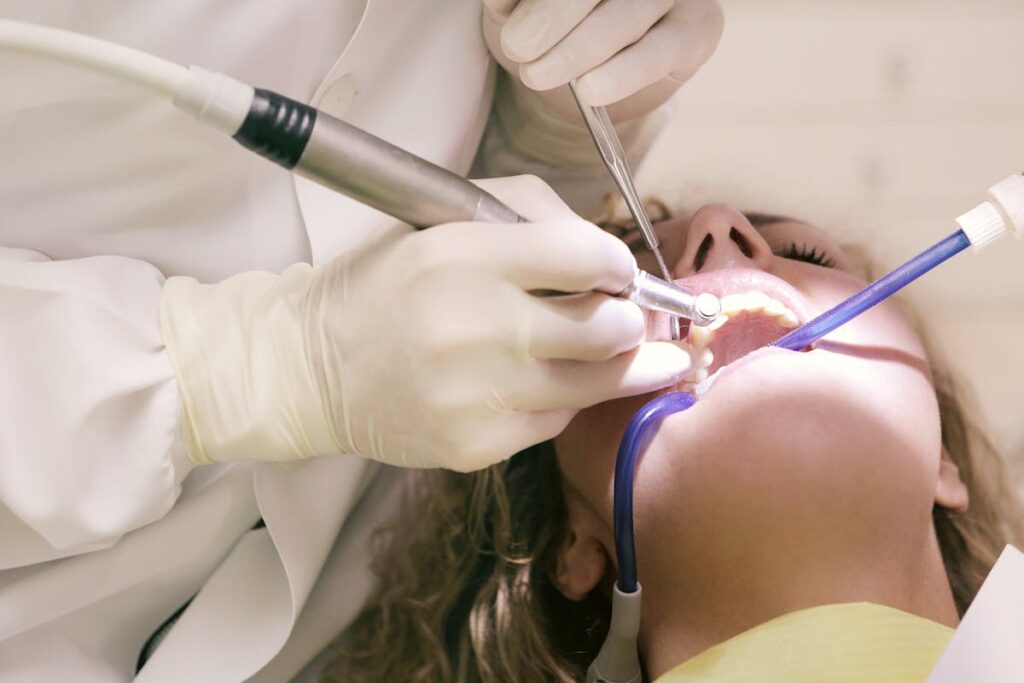
While dental practices typically emphasize preventive care through patient education, professional cleaning services constitute a fundamental component of oral health maintenance that extends beyond what patients can achieve through home care alone. Professional cleaning methods encompass prophylaxis for healthy patients, scaling and root planing for those with periodontal disease, and full-mouth debridement for extensive calculus accumulation. Comprehensive cleaning services include ultrasonic scaling to disrupt bacterial biofilm, hand instrumentation for precise calculus removal, and polishing to eliminate surface stains. Each procedure targets specific clinical presentations: prophylaxis addresses supragingival deposits in periodontally healthy individuals, while therapeutic scaling extends subgingivally to treat active disease. The selection of appropriate cleaning protocols depends on periodontal status, radiographic findings, and clinical assessment of tissue health, ensuring ideal therapeutic outcomes.
Key Factors That Determine Your Cleaning Frequency Needs
The frequency of professional dental cleaning varies considerably among individuals based on multiple clinical parameters and risk factors that influence periodontal health and disease progression. Patients with aggressive periodontitis, systemic conditions affecting immunity, or significant calculus accumulation require more frequent interventions than those maintaining ideal oral hygiene.
Clinical assessment encompasses evaluating surface soil levels through plaque indices, examining gingival inflammation markers, and analyzing radiographic evidence of bone loss. Practitioners must consider lifestyle factors including tobacco use, dietary habits, and medication effects on salivary flow. High traffic areas within the oral cavity, particularly mandibular anterior regions and maxillary molars, demonstrate accelerated biofilm formation requiring targeted prophylactic approaches. Evidence indicates personalized maintenance intervals ranging from three to twelve months optimize treatment outcomes while preventing disease recurrence in susceptible populations.
Recommended Cleaning Schedules for Residential Spaces
Residential cleaning schedules typically incorporate two distinct temporal frameworks to maintain ideal hygiene standards. Daily cleaning tasks address high-contact surfaces and immediate contamination risks through targeted interventions such as kitchen sanitation, bathroom disinfection, and floor maintenance in primary living areas. Weekly deep cleaning protocols complement these routine measures by addressing accumulated particulate matter, biofilm formation, and less accessible areas requiring systematic attention.
Daily Cleaning Tasks
Kitchen surfaces, bathroom fixtures, and high-traffic floor areas constitute the foundation of daily cleaning protocols in residential environments. These zones accumulate bacterial colonies and particulate matter within 24-hour cycles, necessitating consistent intervention to maintain hygienic standards.
Daily surface wipe downs using EPA-registered disinfectants reduce pathogen transmission by 87% according to environmental health studies. Kitchen countertops require immediate post-meal sanitization, while bathroom sinks and toilet seats demand morning and evening attention. A quick tidy up of living spaces prevents clutter accumulation and facilitates more thorough weekly cleaning sessions.
Research indicates that five-minute daily maintenance routines prevent 70% of deep-cleaning requirements. Essential tasks include dishwashing, trash removal, and spot-cleaning visible spills. These abbreviated interventions preserve indoor air quality and minimize allergen proliferation throughout residential spaces.
Weekly Deep Cleaning
Systematically executed weekly deep cleaning protocols address accumulated contaminants that daily maintenance cannot eliminate, targeting embedded soil deposits and microbial biofilms within residential environments. Research indicates that seven-day intervals optimize pathogen reduction while maintaining practical scheduling feasibility.
Essential cleaning steps include disinfecting high-contact surfaces, extracting allergens from textile fibers, and sanitizing moisture-prone areas where bacteria proliferate. Kitchen appliances require degreasing protocols, while bathroom fixtures necessitate calcium deposit removal and antimicrobial treatment. Bedroom environments benefit from mattress vacuuming and air purifier filter replacement.
Time saving techniques incorporate zone-based cleaning systems, where practitioners focus on designated areas per session rather than attempting thorough coverage. Multi-surface cleaners reduce product switching delays, while microfiber technology enhances soil capture efficiency. Studies demonstrate that structured weekly protocols reduce overall cleaning duration by 30% compared to sporadic intensive sessions.
Optimal Cleaning Frequencies for Commercial and Office Environments
Establishing appropriate cleaning frequencies in commercial and office environments requires systematic evaluation of multiple variables, including occupancy rates, traffic patterns, and facility-specific contamination risks. High-touch surfaces in reception areas, conference rooms, and shared workstations necessitate daily disinfection protocols. Restroom facilities demand twice-daily sanitization procedures, while break rooms require attention after each shift rotation.
Professional cleaning services should implement thorough infection control measures weekly, targeting ventilation systems, carpeted areas, and vertical surfaces. Facilities accommodating 50+ employees benefit from nightly janitorial services addressing waste removal, floor maintenance, and workstation disinfection. Healthcare-adjacent offices mandate enhanced protocols with EPA-registered antimicrobial products applied every 48-72 hours. Seasonal adjustments prove essential during respiratory illness peaks, warranting increased frequency of doorknob, elevator button, and handrail treatment to maintain pathogen reduction standards.
How Pets and Allergies Impact Your Cleaning Timeline
Pet ownership and allergic sensitivities necessitate significant modifications to standard cleaning frequencies due to measurable environmental contaminants. Research indicates that homes with pets require 40-60% more frequent vacuuming and surface cleaning to manage dander accumulation, with peak shedding periods in spring and fall demanding daily intervention in high-traffic areas. Allergen concentration mapping reveals critical zones—particularly bedrooms, upholstered furniture, and carpeted areas—where proteins from pet saliva, urine, and dander persist for extended periods, requiring targeted HEPA filtration and weekly deep cleaning protocols to maintain acceptable particulate levels below 10 μg/m³.
Pet Hair Accumulation Rates
While environmental factors influence overall cleaning frequency, households with domestic animals face quantifiable increases in particulate matter accumulation that necessitate modified maintenance protocols. Research indicates that dogs shed approximately 15-30% of their coat annually, with peak shedding periods occurring biannually. Cats produce comparable volumes, depositing 60-100 milligrams of hair daily across household surfaces.
Pet dander management requires systematic intervention beyond standard cleaning practices. Implementing regular pet grooming schedules reduces airborne particulates by 45-60%, according to veterinary studies. Professional groomers recommend bi-weekly brushing for long-haired breeds and weekly sessions for short-haired varieties. High-traffic areas experience 3-4 times greater hair accumulation than peripheral spaces, demanding targeted cleaning frequencies of 2-3 times weekly versus standard weekly protocols for pet-free environments.
Allergy Trigger Zones
Hidden allergy hotspots include window treatments, ceiling fan blades, and HVAC return vents where particulates accumulate undisturbed. Bathrooms present unique challenges through mold spore proliferation in moisture-rich environments. Clinical studies indicate allergen levels triple in carpeted areas compared to hard surfaces, particularly in high-traffic zones. Pet sleeping areas require twice-weekly cleaning protocols to maintain acceptable allergen thresholds. Environmental health specialists recommend targeting these zones every 72-96 hours for allergic individuals, extending to weekly intervals for asymptomatic households.
Seasonal Shedding Patterns
The biannual shedding cycles of domestic animals correlate directly with increased environmental allergen loads, requiring modified cleaning frequencies during spring and autumn shifts. Coat growth cycles in dogs and cats follow photoperiodic regulation, with daylight duration triggering hormonal responses that initiate follicular changes. Peak shedding behavior patterns manifest during March through May and September through November, elevating indoor dander concentrations by 40-60 percent above baseline measurements.
Professional cleaning intervals should compress from monthly to biweekly schedules during these transformative periods. HEPA filtration systems require filter replacement at doubled frequency when pet populations exceed two animals per household. Upholstered surfaces accumulate 3.2 times more allergenic proteins during peak shedding phases, necessitating specialized enzymatic treatments. Clinical studies demonstrate that preemptive cleaning adjustments reduce airborne allergen particles by 67 percent.
Warning Signs That You Need to Increase Your Cleaning Frequency
When should facility managers reassess their established cleaning protocols? Several indicators suggest current schedules require modification. Visible dust buildup patterns on horizontal surfaces within 48 hours post-cleaning indicate inadequate frequency. Surface discoloration, particularly yellowing on light-colored materials or darkening along high-contact areas, demonstrates accumulated contaminants beyond standard removal capacity.
Additional warning signs include persistent malodors despite regular maintenance, increased occupant complaints regarding indoor air quality, and elevated particulate matter readings above 50 μg/m³. Facilities experiencing higher-than-baseline absenteeism rates should evaluate whether insufficient cleaning contributes to pathogen transmission. ATP bioluminescence testing revealing counts exceeding 30 RLU on supposedly clean surfaces mandates immediate protocol revision. Equipment showing premature wear, sticky residues on flooring, or visible biofilm formation in moisture-prone areas all necessitate increased cleaning intervals to maintain acceptable hygiene standards.
Seasonal Considerations for Adjusting Your Cleaning Schedule
How do seasonal variations impact facility cleaning requirements throughout the year? Environmental factors necessitate strategic adjustments to maintenance protocols across different seasons. During spring months, elevated pollen accumulation on surfaces demands increased frequency of HVAC filter replacements and exterior window cleaning. Research indicates airborne particulate matter increases by 40-60% during peak pollination periods, requiring enhanced filtration measures.
Humidity changes present distinct challenges throughout seasonal shifts. Summer conditions promote bacterial proliferation in high-moisture environments, while winter’s low humidity enables greater static electricity and dust dispersion. Clinical studies demonstrate that maintaining relative humidity between 40-60% reduces pathogen survival rates by 77%. Facilities should implement quarterly assessments to recalibrate cleaning cadences based on seasonal allergen indices, moisture levels, and occupancy patterns. This evidence-based approach guarantees ideal environmental hygiene while maximizing resource efficiency.
Creating a Cost-Effective Cleaning Plan That Works for Your Budget
Three fundamental principles govern the development of fiscally responsible cleaning protocols: strategic resource allocation, performance-based procurement, and systematic waste reduction. Implementation of money saving strategies requires quantitative analysis of cleaning frequency against contamination thresholds. Research demonstrates that extending intervals between professional cleanings by 15-20% typically maintains acceptable hygiene standards while reducing annual expenditure by approximately 18%.
Budget friendly routines incorporate preventive maintenance measures that minimize intensive cleaning requirements. Organizations achieve ideal cost-efficiency through hybrid approaches combining high-frequency spot treatments with reduced deep-cleaning cycles. Evidence indicates that investing in quality cleaning supplies yields 30% longer surface protection compared to economy alternatives, ultimately decreasing replacement costs. Facilities implementing tiered cleaning schedules report 25% reduction in operational expenses while maintaining compliance with health regulations and occupancy satisfaction metrics.
Frequently Asked Questions
What Should I Do to Prepare My Home Before the Cleaning Crew Arrives?
Homeowners should remove clutter from surfaces and floors to optimize cleaning efficiency. They must secure valuables in locked storage areas. Evidence indicates pre-cleaning organization reduces service time by 30% and prevents accidental damage or misplacement of items.
How Far in Advance Should I Book My Routine Cleaning Appointments?
Ideal booking schedule requires securing appointments 7-14 days in advance for residential services. Appointment frequency impacts availability, with weekly clients receiving priority scheduling. Advance booking guarantees consistent service delivery and accommodates provider capacity constraints during peak demand periods.
Can I Request the Same Cleaning Professional for Every Scheduled Visit?
Patients may request a consistent cleaning professional for appointments, enhancing continuity of care. Most practices accommodate such preferences when establishing customized cleaning schedules, though availability constraints occasionally necessitate alternative providers while maintaining standardized treatment protocols.
What Happens if I Need to Cancel or Reschedule My Cleaning Appointment?
Clients encountering scheduling conflicts should notify providers within 24-48 hours to avoid missed appointments penalties. Standard protocols indicate rescheduling fees may apply for late cancellations. Evidence suggests advance communication facilitates accommodation without financial implications for routine cleaning services.
Should I Tip My Cleaning Service Provider, and if So, How Much?
Industry standards indicate the appropriate tipping amount ranges from 15-20% of service cost. Clients should verify individual cleaning service policies, as some companies incorporate gratuities into pricing structures while others maintain traditional discretionary tipping protocols.