
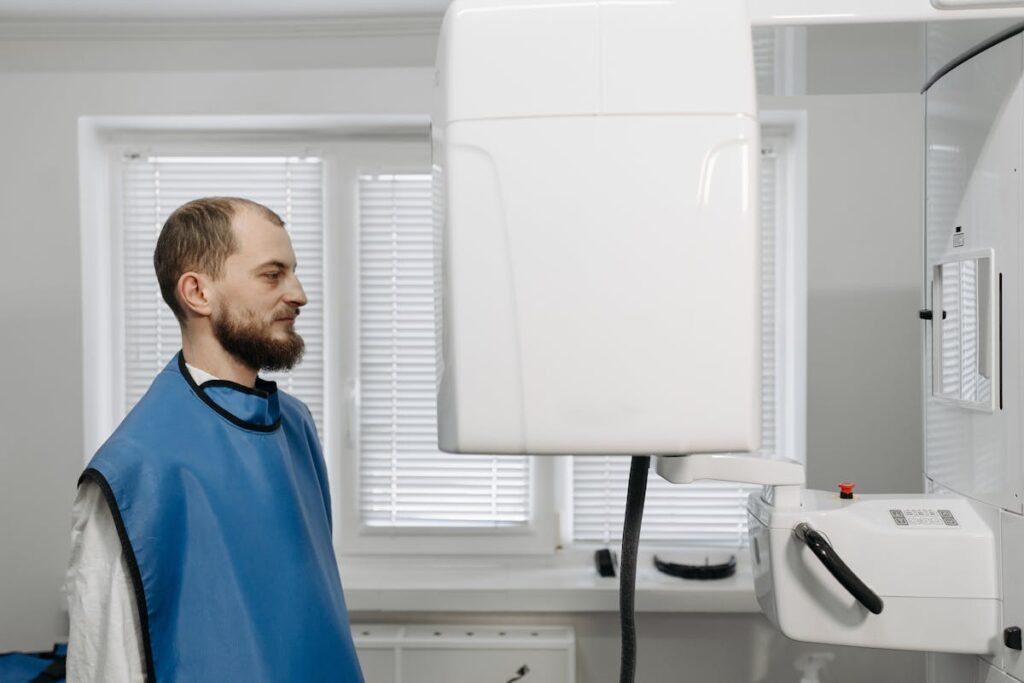
Dental radiography encompasses multiple imaging modalities, each serving distinct diagnostic purposes in modern oral healthcare. Bitewing, periapical, and panoramic x-rays form the foundation of routine dental imaging, while specialized techniques like cone beam computed tomography address complex clinical scenarios. The selection of appropriate radiographic examination depends on specific diagnostic requirements, patient risk factors, and clinical presentation. Understanding these imaging options empowers informed decision-making regarding oral health management and preventive care strategies.
Bitewing X-Rays: Detecting Cavities Between Teeth
Bitewing radiographs serve as a fundamental diagnostic tool in preventive dentistry, capturing the interproximal surfaces of posterior teeth where visual examination alone proves insufficient. These specialized images reveal proximal carious lesions, enabling early detection of decay before significant tooth structure loss occurs. The horizontal angulation technique displays both maxillary and mandibular crowns simultaneously, facilitating accurate diagnosis of incipient interproximal caries.
Clinical studies demonstrate bitewing radiographs detect approximately 60% more proximal surface lesions than visual examination. The radiographic technique also evaluates restoration margins, identifies secondary caries beneath existing restorations, and assesses crestal bone levels. Standard protocols recommend bitewing examinations annually for high-risk patients and biennially for low-risk populations. Digital bitewing technology enhances diagnostic capabilities through image manipulation, reducing radiation exposure by 70% compared to conventional film while maintaining diagnostic quality essential for thorough treatment planning.
Periapical X-Rays: Examining Individual Teeth From Crown to Root
Periapical radiographs provide holistic visualization of individual teeth, capturing the entire tooth structure from the occlusal or incisal edge through the root apex and surrounding alveolar bone. These images are indicated for diagnosing periapical pathology, evaluating root fractures, assessing periodontal disease progression, and monitoring endodontic treatment outcomes. The radiographic technique requires precise film or sensor placement parallel to the tooth’s long axis using either the paralleling or bisecting angle method, with the central beam directed perpendicular to both the tooth and receptor.
What They Show
When detailed evaluation of a single tooth and its supporting structures is required, periapical radiographs provide the most extensive diagnostic information available through conventional dental imaging. These radiographs reveal the entire tooth structure from crown to apex, including the pulp chamber, root canals, and surrounding alveolar bone.
Periapical images detect periapical pathology, including abscesses, cysts, and granulomas. They demonstrate bone density variations that indicate infection, resorption, or metabolic disorders. The radiographs identify root fractures, foreign bodies, and calcifications within soft tissues adjacent to the tooth apex.
Clinical applications include monitoring endodontic treatment outcomes, evaluating periodontal bone levels, and scrutinizing traumatic injuries. These radiographs facilitate early detection of interproximal caries extending into dentin and reveal secondary caries beneath existing restorations, supporting preventive intervention strategies.
When They’re Needed
Clinical indications for periapical radiography extend beyond routine screening to address specific diagnostic challenges requiring thorough tooth evaluation. These radiographs become essential when patients present with deep carious lesions, periapical pathology, or unexplained dental pain requiring precise localization. Endodontic treatment planning necessitates periapical imaging for working length determination and post-treatment assessment.
When dental x rays needed depends on individual risk factors and clinical presentation. The dental examination frequency incorporating periapical radiography varies according to patient-specific parameters, including caries risk assessment, periodontal status, and restorative history. Evidence-based guidelines recommend selective prescription based on clinical findings rather than predetermined intervals. Symptomatic teeth, suspected root fractures, and evaluation of previous root canal treatments constitute primary indications. Preventive protocols emphasize judicious use, balancing diagnostic yield against radiation exposure while ensuring timely detection of pathological conditions affecting tooth roots and surrounding osseous structures.
Procedure and Positioning
Before initiating periapical radiography, proper patient positioning and technical preparation establish the foundation for diagnostic-quality images while minimizing radiation exposure and retake necessity. The patient’s head must remain stabilized against the headrest with the occlusal plane parallel to the floor for maxillary exposures or perpendicular for mandibular views.
Dental assistant responsibilities include selecting appropriate film size, placing the receptor parallel to the tooth’s long axis, and ensuring the positioning device maintains correct angulation. The assistant verifies lead apron placement, removes metallic objects from the radiation field, and instructs patients regarding breath-holding and immobility during exposure. Utilizing the paralleling technique with positioning instruments reduces geometric distortion and provides accurate tooth length representation. Proper vertical and horizontal angulation prevents elongation, foreshortening, and overlapping of interproximal surfaces, thereby optimizing diagnostic value.
Panoramic X-Rays: Capturing Your Entire Mouth in One Image
Panoramic radiography employs a rotating X-ray source and detector that move synchronously around the patient’s head to produce a single two-dimensional image of the maxillary and mandibular dental arches. This extraoral imaging technique provides thorough visualization of all teeth, temporomandibular joints, maxillary sinuses, and surrounding osseous structures, making it particularly valuable for detecting impacted teeth, jaw pathologies, and planning orthodontic or surgical interventions. The reduced radiation exposure compared to full-mouth intraoral series and the ability to capture anatomical structures beyond the dentition establish panoramic radiographs as an essential screening tool in preventive dental care.
How Panoramic X-Rays Work
The panoramic radiograph, also known as an orthopantomogram, utilizes a rotating X-ray source and detector that move synchronously around the patient’s head during a single 10-20 second exposure. This rotating camera technology creates a two-dimensional representation of the curved three-dimensional structures of the maxillofacial region. The X-ray beam passes through the patient at a perpendicular angle to the dental arch, while the receptor moves in the opposite direction at a predetermined speed.
The panoramic image capture process employs a narrow vertical beam that minimizes radiation exposure while producing an extensive view of the teeth, temporomandibular joints, maxillary sinuses, and surrounding osseous structures. This extraoral technique requires precise patient positioning with the Frankfurt plane parallel to the floor and the midsagittal plane perpendicular to achieve ideal diagnostic quality.
Benefits and Common Uses
When evaluating detailed oral health status, panoramic radiography provides distinct diagnostic advantages through its ability to visualize anatomical structures beyond the scope of intraoral imaging techniques. This extensive imaging modality facilitates early detection of dental issues including impacted teeth, jaw pathology, and temporomandibular joint disorders. Panoramic radiographs enable clinicians to identify periapical lesions, cystic formations, and neoplastic changes that might remain undetected through conventional examinations.
The technology greatly enhances improved treatment planning by providing complete visualization of maxillary sinuses, mandibular nerve pathways, and available bone height for implant placement. Orthodontists utilize panoramic imaging to assess tooth development patterns and eruption sequences. Additionally, these radiographs serve critical roles in trauma evaluation, pre-surgical assessment, and monitoring post-treatment outcomes, making them indispensable tools in contemporary preventive dentistry protocols.
Occlusal X-Rays: Viewing the Roof or Floor of Your Mouth
Unlike bitewing and periapical radiographs that capture vertical tooth surfaces, occlusal X-rays provide a unique cross-sectional view of either the maxillary or mandibular dental arch. These specialized images reveal the entire tooth-bearing area when patients bite down on the film or sensor plate. Proper occlusal x ray positioning requires the detector placement parallel to the occlusal plane, with the central ray directed perpendicular at 65-degree angulation for maxillary views or 90 degrees for mandibular imaging.
Occlusal x ray interpretation enables clinicians to detect impacted teeth, evaluate jaw fractures, identify foreign bodies, and assess palatal or sublingual pathology. These radiographs prove invaluable for pediatric examinations when cooperation limits conventional imaging techniques. Additionally, they facilitate early detection of supernumerary teeth, salivary stones, and expansile lesions affecting the cortical bone plates.
Cone Beam CT Scans: Creating 3D Images for Complex Procedures
Advanced dental imaging extends beyond traditional two-dimensional radiography through cone beam computed tomography (CBCT), which generates three-dimensional volumetric datasets of maxillofacial structures. This technology rotates around the patient’s head, capturing multiple images reconstructed into extensive 3D models.
CBCT applications include implant placement, endodontic assessment, temporomandibular joint evaluation, and orthodontic analysis. These advanced imaging techniques provide precise measurements of bone density, nerve canal positions, and pathological conditions undetectable on conventional radiographs. Treatment planning considerations involve radiation dose optimization, field-of-view selection, and clinical necessity justification.
While CBCT delivers higher radiation exposure than periapical radiographs, doses remain considerably lower than medical CT scans. Practitioners must weigh diagnostic benefits against radiation risks, reserving CBCT for cases where three-dimensional visualization directly impacts treatment outcomes and preventive strategies.
Digital vs. Traditional Film X-Rays: Key Differences and Benefits
While traditional film radiography served dentistry reliably for decades, digital radiographic systems have transformed diagnostic imaging through immediate image acquisition, enhanced manipulation capabilities, and reduced radiation exposure. Digital sensors capture images electronically, eliminating chemical processing requirements and environmental waste associated with conventional film development.
Digital radiography demonstrates superior diagnostic capabilities through enhanced image quality, allowing practitioners to adjust contrast, brightness, and magnification post-acquisition. These systems achieve 50-80% radiation dose reduction compared to D-speed film while maintaining diagnostic accuracy. Reduced exposure times minimize patient movement artifacts and improve procedural efficiency. Digital storage facilitates seamless integration with electronic health records, enabling rapid image sharing between providers. Although initial equipment costs exceed traditional systems, digital technology provides long-term economic advantages through eliminated processing expenses and improved workflow efficiency.
How Often You Need Dental X-Rays Based on Your Oral Health
The frequency of dental radiographic examinations depends on individual patient risk factors, clinical findings, and disease susceptibility rather than predetermined intervals. Adult patients with ideal oral hygiene habits and no active disease typically require bitewing radiographs every 24-36 months. Those presenting with increased caries risk or periodontal disease necessitate more frequent imaging at 6-18 month intervals.
Pediatric populations demonstrate variable requirements based on developmental stage and caries susceptibility. High-risk children benefit from radiographs every 6-12 months, while low-risk patients may extend intervals to 12-24 months. New patients require thorough baseline radiographs regardless of dental visit frequency history. Clinicians must evaluate multiple factors including previous restorative work, xerostomia, dietary habits, and systemic conditions when determining radiographic schedules. Evidence-based guidelines emphasize individualized assessment over routine protocols to minimize radiation exposure while maintaining diagnostic efficacy.
Safety Measures and Radiation Exposure in Modern Dental Imaging
How do contemporary dental practices guarantee radiation exposure while maintaining diagnostic quality? Modern dental facilities implement thorough radiation safety protocols that significantly lower patient exposure compared to traditional methods. Digital radiography systems decrease radiation doses by up to 90% versus conventional film-based X-rays. Lead aprons, thyroid collars, and collimation devices provide essential shielding for non-target areas.
Dosage reduction techniques include using the fastest image receptors available, applying the ALARA principle (As Low As Reasonably Achievable), and utilizing rectangular collimation instead of round beams. Practitioners select appropriate exposure settings based on patient size and diagnostic requirements. Modern equipment features automatic exposure controls and dose monitoring systems. These evidence-based measures guarantee diagnostic images remain clinically useful while prioritizing patient safety through minimal radiation exposure.
Frequently Asked Questions
How Much Do Different Types of Dental X-Rays Typically Cost?
The average cost of digital x-rays ranges from $25-$250 depending on type. Typical prices for panoramic x-rays vary between $100-$200. Bitewing radiographs cost $25-$50, while extensive full-mouth series range $150-$250, supporting preventive diagnostic protocols.
Can I Get Dental X-Rays While Pregnant or Breastfeeding?
Dental radiographs during pregnancy require careful consideration of fetal exposure risks, though modern shielding minimizes concerns. Breastfeeding presents no contraindications as breastmilk radiation levels remain negligible. Practitioners typically defer non-urgent imaging until postpartum for preventive safety.
What Should I Do to Prepare Before Getting Dental X-Rays?
Patients should avoid eating prior to radiographic procedures and inform dentist of any medical conditions, medications, or pregnancy status. Removal of metallic jewelry, dentures, and oral appliances guarantees superior image quality and diagnostic precision during examination.
Are Dental X-Rays Covered by Most Insurance Plans?
Most dental insurance coverage includes preventive radiographic examinations annually or biannually. X-ray reimbursement policies typically cover bitewing and periapical films at 80-100%, though panoramic imaging frequency limitations apply. Patients should verify specific plan benefits regarding diagnostic imaging allowances.
Can Children Safely Receive the Same X-Rays as Adults?
Children require modified dental radiographic protocols with reduced radiation exposure concerns addressed through lower kilovolt settings and shorter exposure times. Pediatric patients receive appropriate dosage for children using specialized equipment and protective measures ensuring diagnostic quality while minimizing risks.