
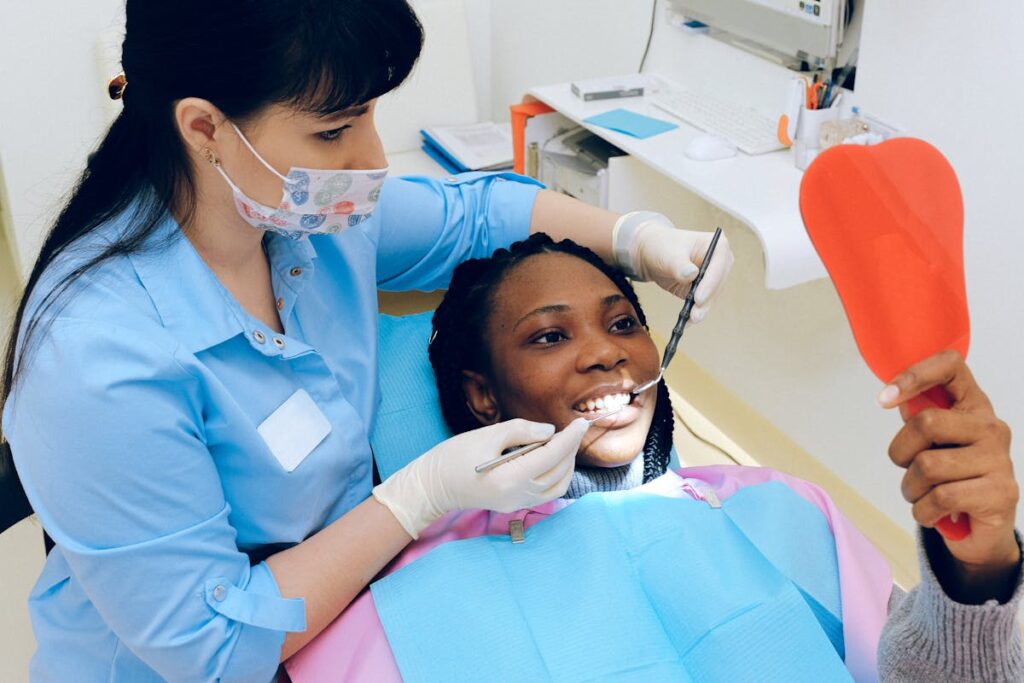
Regular dental examinations twice yearly represent a cornerstone of preventive oral healthcare. Clinical evidence demonstrates that biannual visits reduce invasive treatment needs by 40-60% through early pathology detection. Professional prophylaxis eliminates calcified deposits unreachable by routine homecare, substantially decreasing inflammatory biomarkers. This systematic approach particularly benefits high-risk populations and pediatric patients developing lifelong habits. The measurable impact on tooth retention rates and systemic health outcomes warrants examination of specific preventive mechanisms.
Early Detection of Cavities and Tooth Decay
When cavities remain undetected during their initial stages, the demineralization process advances from superficial enamel lesions to deeper dentinal involvement, ultimately compromising tooth structure and potentially affecting the pulp. Biannual dental examinations enable early caries identification through visual inspection, radiographic assessment, and diagnostic technologies including laser fluorescence devices. Clinicians can detect incipient lesions before symptomatic presentation occurs, when remineralization interventions remain viable.
Professional examinations every six months facilitate timely implementation of cavity prevention strategies, including fluoride varnish application, sealant placement, and dietary counseling. Research demonstrates that regular screening reduces restorative treatment needs by 40-60% compared to symptom-driven care. Early intervention preserves natural tooth structure, minimizes treatment invasiveness, and decreases long-term healthcare costs. This preventive approach particularly benefits high-risk populations, including xerostomia patients and individuals with compromised salivary flow.
Prevention of Gum Disease and Periodontal Issues
Biannual dental examinations enable practitioners to identify early signs of gingivitis and periodontitis through systematic evaluation of gingival tissues, pocket depths, and radiographic bone levels. Professional scaling and root planing performed during these visits removes bacterial biofilm and calculus deposits that cannot be eliminated through routine home care, thereby disrupting the pathogenic process before irreversible tissue damage occurs. Thorough risk assessment during these appointments allows clinicians to stratify patients based on modifiable factors such as smoking status and glycemic control, facilitating targeted preventive interventions.
Early Detection Methods
Three primary diagnostic techniques enable dental professionals to identify periodontal disease in its earliest stages during routine examinations. Periodontal probing measures pocket depths between teeth and gums, with measurements exceeding 3mm indicating bacterial infiltration and tissue breakdown. Digital radiographs reveal bone loss patterns and calculus deposits beneath the gingival margin before clinical symptoms manifest. Visual assessment identifies inflammation markers, including erythema, edema, and bleeding upon gentle probing.
These early detection methods facilitate timely early intervention strategies that halt disease progression. Dental professionals implement targeted scaling procedures, antimicrobial therapies, and personalized oral hygiene protocols based on diagnostic findings. Research demonstrates that identifying periodontal pathology during subclinical phases reduces treatment complexity by 60% and preserves supporting structures more effectively than delayed intervention after symptomatic presentation.
Professional Cleaning Benefits
Although routine brushing and flossing remove surface plaque, professional dental cleanings eliminate calcified deposits and bacterial biofilms that accumulate in areas inaccessible to conventional home care methods. Ultrasonic scaling disrupts subgingival bacteria colonies responsible for gingivitis progression, while specialized instruments remove tartar from root surfaces and interdental spaces.
Professional prophylaxis reduces inflammatory markers associated with periodontal disease by 40-60% within 24 hours post-treatment. During these sessions, hygienists conduct thorough examination of gingival tissue integrity, measuring pocket depths and identifying bleeding points indicative of early-stage periodontitis. This assessment enables personalized recommendations for targeted antimicrobial therapies and modified cleaning techniques based on individual risk factors. Studies demonstrate that biannual cleanings decrease tooth loss probability by 73% compared to irregular dental visits, particularly among patients with genetic predisposition to periodontal conditions.
Risk Factor Assessment
Thorough risk factor assessment during dental examinations systematically evaluates multiple parameters that predispose individuals to periodontal pathology. Clinicians conduct extensive medical history analysis to identify systemic conditions including diabetes mellitus, cardiovascular disease, and immunocompromising disorders that elevate periodontal disease susceptibility. Genetic predisposition markers and familial periodontal disease patterns receive careful documentation.
Lifestyle impact assessment examines modifiable behaviors affecting oral health outcomes. Tobacco use, both smoking and smokeless forms, greatly increases periodontitis risk through vasoconstriction and immunosuppression mechanisms. Dietary habits, stress levels, and oral hygiene practices undergo evaluation. Practitioners assess bruxism indicators, malocclusion patterns, and existing restorative work quality. Medication-induced xerostomia identification enables preventive intervention strategies. This systematic approach facilitates personalized prevention protocols, enabling early intervention before irreversible periodontal destruction occurs, ultimately preserving dentition and supporting structures.
Professional Teeth Cleaning and Plaque Removal
Professional dental hygienists employ specialized instrumentation and ultrasonic scaling devices to remove calcified deposits that cannot be eliminated through routine home care. These deep cleaning techniques disrupt bacterial biofilm formation below the gingival margin and eliminate hardened tartar from tooth surfaces, particularly in areas prone to accumulation such as lingual surfaces of mandibular incisors and buccal surfaces of maxillary molars. Regular professional cleanings every six months prevent the mineralization of plaque into calculus, thereby reducing the risk of gingivitis progression and maintaining ideal periodontal health.
Deep Cleaning Techniques
During biannual dental visits, dental hygienists employ systematic scaling and root planing procedures to eliminate bacterial biofilm and calcified deposits that accumulate beyond the reach of routine home care. Advanced scaling techniques utilize ultrasonic instruments operating at 25,000-30,000 Hz frequencies, disrupting bacterial cell walls while simultaneously irrigating periodontal pockets. Manual dexterity requirements demand precise angulation of curettes at 70-80 degrees against tooth surfaces, ensuring thorough debridement of subgingival calculus.
Hygienists systematically progress through sextants, dedicating 10-15 minutes per quadrant for extensive removal. Evidence demonstrates these professional interventions reduce periodontal pathogen loads by 90% immediately post-treatment. Deep cleaning extends 3-4mm below gingival margins, accessing areas where anaerobic bacteria proliferate. This meticulous approach prevents progression from gingivitis to periodontitis, preserving supporting alveolar bone structure and preventing tooth loss.
Tartar Buildup Prevention
Systematically removing plaque biofilm every six months prevents its mineralization into tenacious tartar deposits that adhere irreversibly to tooth surfaces. Professional prophylaxis eliminates bacterial colonies within 24-72 hours of formation, before calcium phosphate precipitation occurs. Ultrasonic scaling disrupts the glycocalyx matrix, while hand instrumentation removes calcified deposits from supragingival and subgingival regions.
Post-cleaning polishing promotes enamel strengthening through fluoride uptake and creates smooth surfaces resistant to bacterial recolonization. Professional debridement stimulates saliva flow enhancement, increasing bicarbonate buffering capacity and antimicrobial peptide distribution. Studies demonstrate 40% reduction in calculus formation among patients maintaining six-month intervals versus annual cleanings. Without biannual intervention, tartar accumulation compromises periodontal attachment, induces inflammatory cascades, and establishes ecological niches for anaerobic pathogens, ultimately progressing to irreversible periodontal destruction.
Oral Cancer Screening and Detection
When patients undergo routine biannual dental examinations, clinicians perform detailed oral cancer screenings that greatly improve early detection rates and survival outcomes. These thorough oral cancer exams utilize standardized visual screening techniques to identify precancerous lesions, abnormal tissue changes, and suspicious growths in the oral cavity, pharynx, and perioral regions.
Dentists systematically examine tongue surfaces, floor of mouth, buccal mucosa, hard and soft palates, and lymph nodes through palpation and visualization. Advanced detection methods include toluidine blue staining, fluorescence visualization, and brush cytology when indicated. Early-stage oral cancers demonstrate five-year survival rates exceeding 80%, compared to 30% for advanced cases.
Regular screenings prove particularly important for high-risk populations, including tobacco users, heavy alcohol consumers, and individuals over age 40. Biannual assessments enable timely intervention and specialist referral.
Building Positive Dental Habits in Children
The establishment of preventive dental routines during childhood correlates with reduced caries incidence and improved oral health outcomes throughout adulthood. Regular biannual examinations facilitate early intervention for malocclusions, enamel defects, and developmental anomalies while reinforcing proper dental hygiene techniques through professional instruction. Clinical evidence demonstrates that children experiencing positive, family friendly dentist visits before age three exhibit decreased dental anxiety and increased treatment compliance rates.
Professional cleanings remove biofilm accumulation in areas inaccessible to pediatric brushing capabilities, particularly interproximal surfaces and posterior molars. Fluoride applications during these visits strengthen developing enamel matrices against demineralization. Dental professionals assess eruption patterns, identify risk factors for periodontal disease, and provide anticipatory guidance regarding nutrition and oral habits. Early exposure to preventive care establishes lifelong behavioral patterns that minimize restorative treatment needs.
Cost Savings Through Preventive Care
Beyond childhood developmental benefits, economic analysis reveals substantial financial advantages associated with maintaining biannual dental appointments across all age demographics. Research demonstrates that patients adhering to six-month preventive schedules reduce treatment expenditures by 31-40% over five-year periods compared to symptomatic-only interventions. Cost effective preventive measures including professional cleanings, fluoride applications, and early caries detection prevent progression to complex procedures requiring endodontic therapy or prosthetic restoration.
Insurance utilization data confirms preventive visits represent budget friendly options, with biannual cleanings averaging $200-400 annually versus single root canal treatments exceeding $1,500. Early identification of periodontal disease through routine examinations prevents costly surgical interventions, while timely sealant application reduces cavity formation by 80%. Healthcare economists calculate every dollar invested in preventive dental care yields $8-50 in avoided treatment costs.
Maintaining Overall Health Through Oral Wellness
Oral health status directly correlates with systemic disease prevalence, establishing biannual dental examinations as critical components of extensive healthcare maintenance. Research demonstrates periodontal disease increases cardiovascular incident risk by 19% and diabetes complications by 25%. Professional cleanings remove bacterial biofilm that daily oral hygiene routines cannot eliminate, preventing pathogen translocation into bloodstream circulation.
Dental professionals identify nutritional deficiencies through oral manifestations, enabling early intervention. Proper nutrition habits support periodontal tissue integrity while reducing cariogenic bacteria proliferation. Biannual assessments detect oral cancer precursors with 84% accuracy when performed systematically.
These visits reinforce patient compliance with preventive protocols, reducing inflammatory burden throughout organ systems. Clinical evidence confirms individuals maintaining six-month dental intervals experience 40% fewer hospitalizations for chronic disease exacerbations compared to those with irregular dental care patterns.
Customized Treatment Plans and Professional Guidance
How effectively can standardized dental protocols address individual patient variations in disease susceptibility, anatomical structure, and lifestyle factors? Evidence indicates that personalized dental health recommendations considerably improve treatment outcomes compared to generic approaches. Biannual visits enable practitioners to develop customized dental hygiene routines based on extensive risk assessments, incorporating patient-specific variables including periodontal status, caries risk indices, and salivary flow rates.
Professional guidance extends beyond basic prophylaxis to encompass targeted interventions addressing individual pathological patterns. Clinicians modify preventive strategies according to documented disease progression, adjusting fluoride protocols, prescribing specific antimicrobial agents, and recommending specialized hygiene instruments. This individualized approach optimizes plaque control efficacy while minimizing iatrogenic risks. Regular reassessment during biannual appointments permits continuous refinement of treatment plans, ensuring preventive measures align with evolving oral health status and systemic conditions.
Frequently Asked Questions
What Should I Do if I Have Dental Anxiety Before Appointments?
Patients experiencing dental anxiety should communicate concerns with their provider before appointments. Evidence-based interventions include cognitive-behavioral techniques, relaxation strategies, and sedation options ranging from nitrous oxide to oral anxiolytics. Early disclosure enables practitioners to implement appropriate anxiety-reduction protocols.
Can I Switch to Annual Visits if I Have Excellent Oral Health?
Patients with excellent oral health may proceed to annual visits following professional assessment. However, biannual examinations remain ideal for early tooth decay risk detection and periodontal disease monitoring, ensuring preventive interventions before subclinical conditions progress.
Does Dental Insurance Typically Cover Biannual Preventive Visits?
Most dental insurance plans cover biannual preventive visits, though provider policies and plan limitations vary. Standard coverage includes two prophylactic cleanings and examinations annually, supporting evidence-based preventive protocols. Patients should verify specific benefits with their carrier.
How Long Does a Routine Dental Checkup Usually Take?
Average visit duration for routine dental checkups typically ranges from 30-60 minutes. The dental exam timeframe includes thorough oral assessment, professional cleaning, radiographic evaluation when indicated, and preventive education, with variations based on individual patient needs.
Should Pregnant Women Maintain Biannual Visits or Increase Frequency?
Pregnant women should consider increased frequency during pregnancy beyond biannual visits. Research indicates dental cleanings during pregnancy every trimester help prevent pregnancy gingivitis and periodontal disease, which correlate with adverse birth outcomes including preterm delivery.