
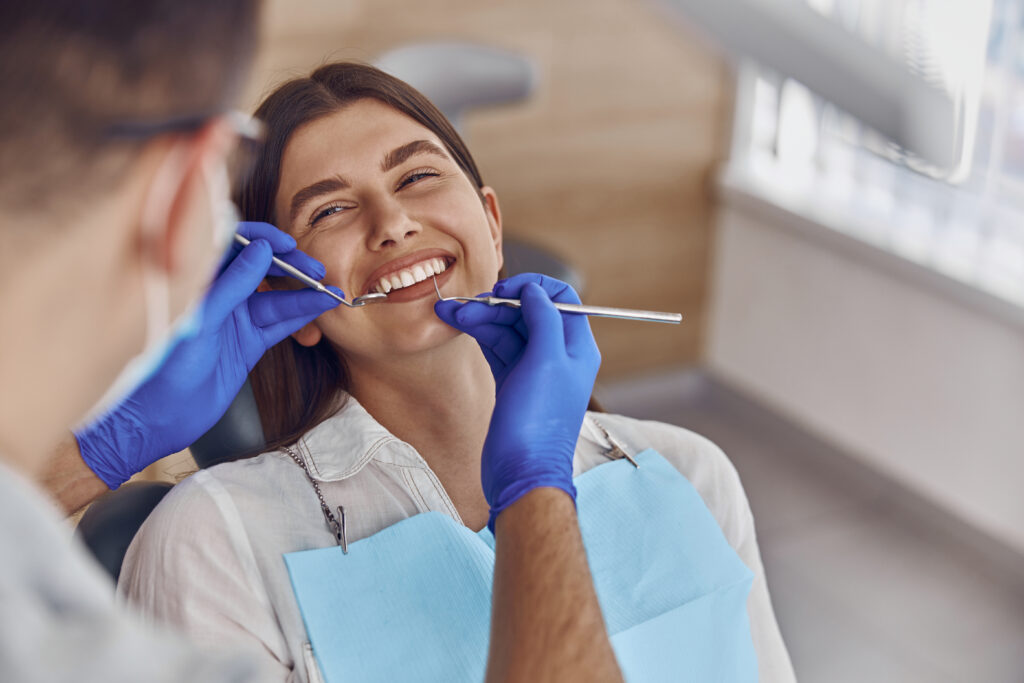
Dental sealants serve as an effective preventive measure against occlusal caries, yet their application is not universally indicated for all patients. Selection criteria often focus on age, caries risk assessment, and anatomical vulnerability, particularly the presence of deep pits and fissures in posterior teeth. Understanding which populations benefit most from sealant therapy can optimize outcomes and resource allocation. The determination of candidacy, however, entails further consideration of several clinical and individual factors.
Understanding How Dental Sealants Work
Dental sealants function as a preventive dental intervention by creating a protective barrier over the occlusal surfaces of posterior teeth, primarily molars and premolars. The sealant application process involves the meticulous cleaning of the tooth surface, followed by the application of an acidic etching gel to enhance micromechanical retention. A liquid resin material is then applied and polymerized, forming a durable shield that occludes pits and fissures susceptible to carious lesions. Evidence-based research demonstrates that sealant application considerably reduces the incidence of occlusal caries by preventing the accumulation of food debris and bacterial biofilm in these anatomically vulnerable regions. As a result, dental sealants serve as a cornerstone in cavity prevention protocols, particularly in populations at heightened risk for enamel demineralization and subsequent decay.
Children and Their Risk for Cavities
Although advancements in oral health education and preventive care have yielded significant improvements, children remain disproportionately susceptible to dental caries due to a confluence of anatomical, behavioral, and physiological factors. Primary and newly erupted permanent teeth often exhibit deep pits and fissures, presenting ideal niches for bacterial colonization and plaque retention. Children’s oral hygiene practices are frequently suboptimal, compounded by dietary patterns high in fermentable carbohydrates. Additionally, immature enamel in newly erupted teeth is more vulnerable to acid demineralization, further elevating caries risk. Epidemiological data consistently highlight that children experience higher incidence rates of cavities compared to adults, underscoring the necessity for targeted cavity prevention strategies. Prophylactic interventions, such as dental sealants, play a critical role in improving children’s oral health by providing a physical barrier against cariogenic challenges.
Teens and Sealant Benefits
Adolescence represents a critical period for preventive oral health interventions, as teenagers often encounter elevated risk factors for dental caries. During this stage, changes in dietary habits, increased autonomy over oral hygiene routines, and orthodontic appliances can compromise teen dental hygiene and foster cariogenic environments. Evidence indicates that the occlusal surfaces of permanent molars remain highly susceptible to pit and fissure caries throughout the teenage years. Sealant application is a clinically validated strategy to mitigate this vulnerability by providing a physical barrier against bacterial colonization and acid attack. Studies consistently demonstrate that dental sealants reduce molar caries incidence in adolescents by up to 80%. Consequently, dental professionals recommend sealant placement for teens, particularly those with suboptimal oral hygiene or previous caries experience, to optimize long-term oral health outcomes.
Adults Who May Need Sealants
Adults with a heightened risk for dental caries or those presenting with pronounced occlusal fissures may also benefit from sealant application. Evidence suggests that individuals with deep grooved molars are particularly susceptible to plaque accumulation and subsequent decay. In such cases, sealants serve as a preventive adjunct to conventional oral hygiene and restorative protocols.
High Cavity Risk Adults
Individuals exhibiting a heightened risk for dental caries—such as those with a history of frequent cavities, compromised salivary flow, exposed root surfaces, or ongoing orthodontic treatment—may benefit from the application of dental sealants. Clinical evidence supports sealant placement in high risk adult oral populations, as these individuals often present with conditions conducive to rapid caries progression. Xerostomia, secondary to medication use or systemic disease, diminishes natural protective mechanisms, while exposed root surfaces are particularly susceptible to demineralization. Adults undergoing orthodontic therapy face increased plaque accumulation, elevating their caries risk. In such high risk scenarios, sealants act as a physical barrier, impeding bacterial colonization and acid attack. Dental professionals should assess caries risk factors thoroughly before recommending sealants for adult patients.
Deep Grooved Molars
Although dental sealants are most commonly associated with pediatric populations, evidence supports their utility in adults exhibiting deep occlusal grooves and fissures on molar surfaces. Variations in molar anatomy, such as pronounced pits and fissures, predispose these teeth to plaque accumulation and bacterial colonization, even with meticulous oral hygiene. Adults presenting with such anatomical features are at increased risk for pit-and-fissure caries, making them suitable candidates for sealant application as a cavity prevention strategy. Clinical studies indicate that sealants act as a physical barrier, effectively sealing vulnerable grooves and reducing caries incidence in at-risk adult molars. Assessment of individual tooth morphology, rather than age alone, should guide sealant recommendations to optimize long-term oral health outcomes and minimize restorative interventions in this population.
Deep Grooves and Pits: A Key Factor
Many posterior teeth present with pronounced occlusal anatomy characterized by deep grooves and pits, which greatly increase susceptibility to dental caries. Scientific literature consistently identifies groove depth and pit prevalence as significant risk factors for carious lesion development. These anatomical features create retentive areas that are challenging to access with conventional oral hygiene measures, allowing for the accumulation of biofilm and food debris. Deep grooves and high pit prevalence, particularly on the occlusal surfaces of molars and premolars, have been correlated with elevated caries incidence in both pediatric and adult populations. The depth and complexity of these fissures impede effective mechanical cleaning, emphasizing the need for preventive interventions. Dental sealants provide a physical barrier, sealing susceptible sites and reducing caries risk associated with these morphological characteristics.
Patients With a History of Tooth Decay
Given the established link between previous caries experience and future risk, patients with a documented history of tooth decay constitute a high-priority group for dental sealant application. Numerous studies demonstrate that prior caries notably increase susceptibility to subsequent lesions, particularly in occlusal surfaces of molars and premolars. Dental sealants provide a physical barrier that complements ongoing tooth decay prevention strategies, effectively reducing the incidence of new carious lesions in these at-risk individuals. Integrating sealant placement into the overall preventive regimen, alongside targeted dental hygiene education, reinforces both mechanical and behavioral defenses against further decay. Clinical guidelines recommend prioritizing sealant application for patients with a history of caries, recognizing their elevated risk status and the proven efficacy of sealants in interrupting the caries cycle.
Dental Sealants and Orthodontic Patients
While orthodontic treatment with fixed appliances considerably improves dental alignment and occlusion, it also introduces additional risk factors for enamel demineralization and carious lesions, particularly on occlusal and buccal surfaces. The complex architecture of brackets, bands, and wires often complicates thorough oral hygiene, leading to increased plaque accumulation around orthodontic appliances. Evidence suggests that sealant application on susceptible tooth surfaces during orthodontic treatment serves as a preventive adjunct by forming a physical barrier against cariogenic biofilm. Clinical studies demonstrate reduced incidence of white spot lesions and early caries in orthodontic patients receiving dental sealants, especially on first and second molars. As a result, integration of sealant application into the preventive protocol for individuals undergoing orthodontic treatment is widely supported in contemporary dental literature and practice guidelines.
Weighing the Risks and Benefits of Sealants
Although dental sealants are well established as an effective preventive intervention against occlusal caries, their application warrants careful consideration of both potential benefits and inherent risks. Sealant application provides a physical barrier that impedes bacterial colonization and food impaction in susceptible pits and fissures, markedly reducing the incidence of dental caries and supporting cavity prevention, particularly in pediatric and adolescent populations. However, risks include the potential for inadvertent sealing of incipient carious lesions, which may progress subclinically, and the rare occurrence of allergic reactions to resin-based materials. Additionally, improper technique can result in sealant loss or microleakage, compromising efficacy. Clinical decision-making should balance patient-specific caries risk, oral hygiene status, and the longevity of sealant retention to optimize cavity prevention outcomes.
Frequently Asked Questions
How Long Do Dental Sealants Typically Last?
Dental sealants typically exhibit sealant longevity of 5 to 10 years, contingent on factors such as oral hygiene and occlusal wear. Maintenance tips include regular dental evaluations to assess integrity and timely reapplication if partial or total loss occurs.
Are Dental Sealants Covered by Insurance?
Insurance coverage for dental sealants varies by provider and plan, though most dental benefits for children include sealants on permanent molars. Coverage for adults is less common. Verification of specific dental benefits and exclusions is recommended.
Can Dental Sealants Be Applied to Baby Teeth?
Dental sealants application can be performed on baby teeth, particularly for children at elevated caries risk. Evidence suggests baby teeth benefits include reduced incidence of occlusal caries, preservation of tooth structure, and facilitation of ideal oral health outcomes.
Do Sealants Change the Appearance of Teeth?
Sealants may cause minimal changes in tooth appearance, depending on sealant colors used. Most are clear or tooth-colored, addressing aesthetic concerns. Evidence indicates that when properly applied, dental sealants are generally not visually obtrusive or cosmetically disruptive.
Is the Sealant Application Procedure Painful?
The sealant application process is generally painless, as it involves cleaning, etching, rinsing, drying, and applying resin-based material. Evidence indicates that patients experience minimal discomfort, while sealant benefits include reduced caries risk and enhanced occlusal surface protection.