
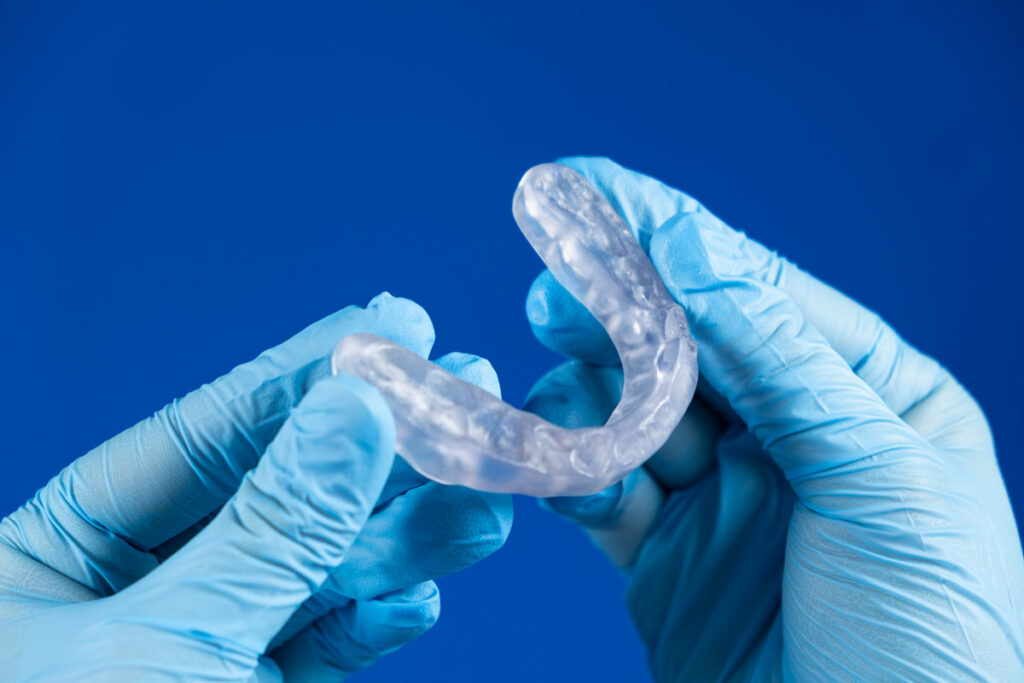
Temporomandibular joint disorders affect millions of patients worldwide, causing chronic orofacial pain and functional limitations. Occlusal appliances, commonly known as mouth guards, have emerged as a primary conservative intervention for managing TMJ symptoms. These devices work through multiple biomechanical mechanisms, including mandibular repositioning and neuromuscular modulation. The therapeutic efficacy varies extensively between custom-fabricated and prefabricated options. Understanding these mechanisms proves essential for ideal treatment outcomes.
Understanding the Connection Between TMJ and Teeth Grinding
The temporomandibular joint connects the mandible to the temporal bone of the skull through a complex system of muscles, ligaments, and cartilaginous structures that enable jaw movement. Bruxism, characterized by involuntary teeth grinding and clenching, directly affects TMJ biomechanics through excessive force transmission to the articular disc and surrounding musculature.
Primary causes of teeth grinding include malocclusion, sleep disorders, and neurological factors. The impact of stress on teeth grinding manifests through increased sympathetic nervous system activation, elevating masticatory muscle tone. Chronic bruxism generates repetitive microtrauma to the TMJ apparatus, inducing inflammatory cascades within the synovial membrane. This pathological cycle results in disc displacement, capsular inflammation, and myofascial pain. Sustained parafunctional activity compromises the adaptive capacity of TMJ structures, precipitating degenerative changes and clinical symptomatology.
Types of Mouth Guards for TMJ Relief
Mouth guards for temporomandibular joint disorders fall into two primary categories based on their fabrication method and accessibility. Custom-fitted occlusal appliances are fabricated from dental impressions and adjusted to individual occlusal patterns, providing precise mandibular positioning and ideal force distribution across the dentition. Over-the-counter thermoplastic devices offer a more accessible alternative, utilizing boil-and-bite technology to create a semi-custom fit that can reduce parafunctional activity and provide symptomatic relief for mild to moderate TMJ dysfunction.
Custom Fitted Guards
When temporomandibular joint disorders require therapeutic intervention beyond over-the-counter solutions, custom fitted guards represent the gold standard in occlusal splint therapy. These devices utilize specialized dental impressions to create precise maxillary or mandibular appliances that redistribute occlusal forces across the dentition.
Fabrication involves polyvinyl siloxane impression materials capturing detailed tooth morphology and intermaxillary relationships. Laboratory technicians construct guards from thermoplastic polymers or hard acrylic resins, ensuring proper bite alignment through articulator mounting. The resulting appliance positions the mandibular condyle anteroinferiorly within the glenoid fossa, decompressing retrodiscal tissues.
Custom guards demonstrate superior retention, uniform force distribution, and targeted muscle deprogramming compared to prefabricated alternatives. Clinical studies report 70-90% symptom reduction in myofascial pain and joint dysfunction when utilizing properly adjusted custom appliances for eight to twelve weeks.
Over Counter Options
Why might patients initially select over-the-counter mouth guards for temporomandibular dysfunction management? Primary factors include immediate availability through store selection at pharmacies and reduced initial expenditure. Cost comparison reveals over-the-counter appliances range from $15-50, contrasting with custom devices exceeding $300-800.
These thermoplastic devices utilize boil-and-bite technology, allowing moldable adaptation to dental arches through heat activation. However, bulkier designs often compromise patient compliance and mandibular positioning accuracy. Clinical studies demonstrate inferior occlusal stability compared to professionally fabricated appliances, potentially exacerbating parafunctional habits.
Over-the-counter guards lack precise condylar positioning capabilities and appropriate vertical dimension establishment. Material thickness frequently impedes proper masseter and temporalis muscle relaxation. While providing temporary cushioning between maxillary and mandibular dentition, these appliances cannot address specific malocclusions or asymmetric joint pathology requiring professional intervention.
How Mouth Guards Realign Your Jaw Position
Therapeutic oral appliances function by repositioning the mandible anteriorly and inferiorly, establishing ideal condyle-fossa relationships within the temporomandibular joint complex. This biomechanical adjustment redistributes occlusal forces across the articular surfaces, effectively decompressing the retrodiscal tissues and reducing intra-articular pressure. The resulting neuromuscular reprogramming facilitates restoration of physiologic jaw posture and promotes adaptive remodeling of the joint structures.
Correcting Bite Alignment
Occlusal splints and repositioning appliances function by establishing a predetermined mandibular position that optimizes the spatial relationship between the temporal bone’s glenoid fossa and the mandibular condyle. These devices facilitate proper tooth positioning through controlled occlusal surfaces that guide the mandible into therapeutic alignment. The appliance’s thickness and contour create vertical dimension changes that decompress the temporomandibular joint space.
Reducing Joint Pressure
The structural realignment achieved through bite correction directly influences intra-articular pressure dynamics within the temporomandibular joint capsule. Occlusal splints redistribute masticatory forces across the articular surfaces, effectively reducing joint strain on compressed tissues. The appliance’s vertical dimension creates interocclusal space, decompressing the retrodiscal tissues and preventing excessive condylar translation during mandibular movements.
Neurophysiological mechanisms contribute to pressure reduction through proprioceptive feedback loops. The mouth guard interrupts parafunctional patterns by minimizing jaw clenching reflexes originating from periodontal mechanoreceptors. This neuromuscular reprogramming decreases sustained muscle contractions of the masseter and temporalis, subsequently lowering compressive forces transmitted through the joint complex. Clinical studies demonstrate measurable reductions in intra-articular pressure following splint therapy, with patients experiencing decreased synovial inflammation and improved disc-condyle relationships within 8-12 weeks of consistent nocturnal wear.
The Science Behind Pressure Distribution and Joint Protection
When excessive bite forces concentrate on specific areas of the temporomandibular joint complex, the resulting mechanical stress can damage articular surfaces, compress the retrodiscal tissues, and trigger inflammatory cascades within the synovial membrane. Properly designed occlusal appliances redistribute these forces across a broader surface area, achieving muscle tension reduction through altered proprioceptive feedback mechanisms.
The appliance creates ideal condylar positioning within the glenoid fossa, minimizing compressive loads on the posterior attachment. This biomechanical adjustment provides joint surface protection by maintaining appropriate intra-articular spacing and preventing direct bone-to-bone contact. Studies demonstrate that force distribution through thermoplastic or acrylic materials decreases peak pressures by 40-60%, allowing damaged tissues to undergo remodeling. The repositioning effect simultaneously reduces lateral pterygoid hyperactivity, further decreasing anterior disc displacement forces.
Choosing Between Custom-Fitted and Over-the-Counter Options
Custom-fabricated oral appliances require dental impressions and laboratory processing to achieve precise occlusal registration, whereas prefabricated devices utilize thermoplastic materials that conform through boiling and molding procedures. Professional fabrication guarantees optimal mandibular positioning and balanced force distribution across temporomandibular structures. Custom devices demonstrate superior retention, durability, and therapeutic efficacy for moderate-to-severe dysfunction.
When comparing cost effectiveness, initial investment for custom appliances ranges from $500-$2500, while over-the-counter alternatives cost $20-$200. However, custom devices typically demonstrate longer functional lifespan and reduced need for replacement. Evaluating personal preferences involves considering comfort tolerance, severity of symptoms, and compliance likelihood. Patients with mild symptoms may achieve adequate relief through prefabricated options, while complex malocclusions or severe bruxism warrant professional intervention. Clinical assessment determines appropriate selection based on joint pathology and occlusal relationships.
What to Expect During Your First Weeks of Wearing a Mouth Guard
Most patients experience an adaptation period of 7-14 days when initiating oral appliance therapy for temporomandibular dysfunction. Initial discomfort and adaptation manifest through increased salivation, mild pressure on dentition, and transient changes in occlusion upon morning removal. The masseter and temporalis muscles require neuromuscular reprogramming as the mandible maintains therapeutic positioning throughout nocturnal wear.
Adjusting to mouth guard use involves progressive accommodation of proprioceptive feedback from periodontal mechanoreceptors. Patients typically report resolution of foreign body sensation within 72 hours. Temporary phonetic alterations occur in 15% of cases but normalize within one week. Morning jaw stiffness, lasting 10-30 minutes post-removal, indicates appropriate vertical dimension establishment. Persistent symptoms beyond two weeks warrant occlusal adjustment verification. Clinical studies demonstrate 85% compliance achievement following successful adaptation phase completion.
Caring for and Maintaining Your TMJ Mouth Guard
Although thermoplastic oral appliances demonstrate antimicrobial resistance, proper hygiene protocols prevent bacterial colonization and material degradation that compromise therapeutic efficacy. Proper cleaning techniques include daily brushing with non-abrasive dentifrice and weekly immersion in denture cleansing solutions containing sodium hypochlorite or peroxide compounds. Patients should avoid thermal exposure exceeding 60°C, which causes dimensional distortion of the occlusal surface.
Storage considerations require maintaining the appliance in ventilated containers to prevent moisture accumulation and fungal proliferation. Between uses, the device requires complete desiccation following rinse protocols. Ultraviolet sanitization provides supplementary disinfection without compromising polymer integrity. Regular inspection identifies stress fractures, occlusal wear patterns, and retention loss requiring professional adjustment. Replacement intervals typically range from 12-24 months, contingent upon material composition and masticatory forces. Adherence to maintenance protocols preserves therapeutic positioning and mandibular stabilization essential for temporomandibular joint decompression.
When to Consider Alternative or Complementary TMJ Treatments
Persistent temporomandibular dysfunction despite ideal oral appliance therapy indicates evaluation for adjunctive interventions targeting underlying etiological factors. Refractory symptoms affecting the masticatory musculature, articular disc displacement, or capsular inflammation may necessitate multimodal therapeutic approaches beyond occlusal splinting alone.
Biofeedback techniques demonstrate efficacy in reducing parafunctional muscle activity through electromyographic monitoring of the masseter and temporalis muscles. Patients develop conscious awareness of clenching patterns, facilitating voluntary muscle relaxation. Alternative massage therapies, including myofascial release and trigger point decompression of the lateral pterygoid and medial pterygoid muscles, address muscular hypertonicity contributing to joint dysfunction.
Additional considerations include physical therapy for cervical spine involvement, cognitive behavioral therapy for stress-related bruxism, and pharmacological interventions for inflammatory arthropathies. Surgical consultation becomes warranted when conservative measures fail to resolve internal derangements or degenerative joint disease.
Frequently Asked Questions
Can I Wear a Mouth Guard if I Have Dental Implants or Crowns?
Patients with dental implant compatibility and crown compatibility can safely utilize occlusal guards. Custom-fabricated appliances accommodate prosthetic restorations without compromising structural integrity. Proper impression techniques guarantee appropriate adaptation around implant abutments and crown margins for therapeutic efficacy.
Will Insurance Cover the Cost of a TMJ Mouth Guard?
Dental insurance coverage for temporomandibular joint disorder appliances varies extensively between policies. Most plans categorize occlusal guards as medically necessary when documented benefits of mouth guards include reducing masticatory muscle hyperactivity and preventing dentition damage.
Can Children and Teenagers Safely Use Mouth Guards for TMJ?
Children and teenagers can utilize occlusal appliances for temporomandibular disorders following proper dental evaluation to assess craniofacial development. Pediatric specialists determine appropriate design modifications and safe wear duration based on skeletal maturity and mandibular growth patterns.
Is It Safe to Wear a Mouth Guard During Daytime Activities?
Daytime mouth guard usage remains clinically acceptable with specific daytime use precautions. Appropriate wearing duration typically involves intermittent periods rather than continuous wear, allowing periodontal tissues recovery time while maintaining therapeutic mandibular positioning for TMJ symptom management.
How Long Does a Typical TMJ Mouth Guard Last Before Replacement?
TMJ oral appliances typically require replacement every 12-24 months, depending on bruxism severity and material degradation. Proper fit maintenance through periodic occlusal adjustments guarantees long term effectiveness of mandibular repositioning and temporomandibular joint decompression therapy.