
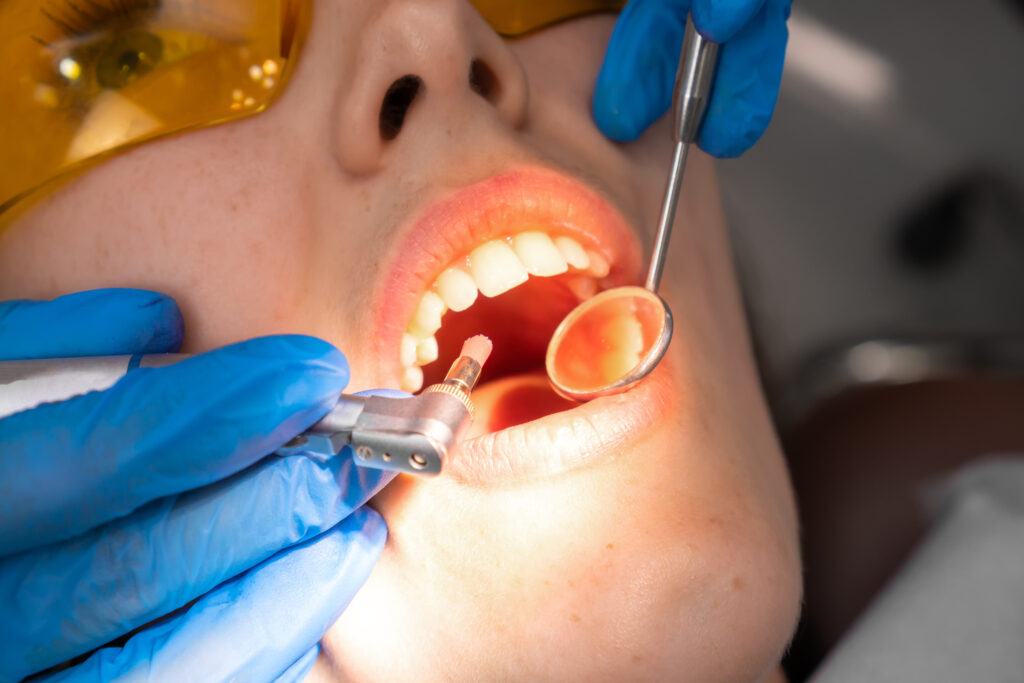
Dental avulsion represents a critical emergency requiring immediate intervention. The first 30 minutes following tooth displacement determine reimplantation success rates, which decline from 90% to less than 5% after one hour. Proper handling protocols, storage medium selection, and rapid professional treatment greatly impact prognosis. Most patients remain unaware of the specific steps that can preserve tooth viability. Understanding these evidence-based procedures proves essential when every second counts toward saving the natural tooth.
Immediate Steps to Take in the First 60 Seconds
When a permanent tooth is completely avulsed from its socket, the actions taken within the first sixty seconds directly determine the likelihood of successful reimplantation and long-term tooth survival. The individual must remain calm and locate the avulsed tooth immediately, handling it exclusively by the crown portion while avoiding contact with the root surface. Any visible debris requires gentle removal using saline solution or milk—never water or antiseptic agents.
If bleeding occurs from the empty socket, the patient should apply pressure using sterile gauze while maintaining an upright position. The tooth must be kept moist through immediate placement in cold milk, saline, or the patient’s own saliva. Time remains the critical factor: periodontal ligament cells begin dying after five minutes of dry exposure.
How to Properly Handle and Pick Up the Knocked-Out Tooth
The individual responding to a dental avulsion must handle the tooth exclusively by its crown—the white portion normally visible above the gum line. Direct contact with the root surface damages the periodontal ligament cells essential for successful reimplantation and reduces the probability of tooth survival. Any manipulation of the root compromises the delicate cellular structures that facilitate reattachment to the alveolar socket.
Touch Only the Crown
If a tooth has been completely avulsed from its socket, proper handling technique directly impacts the viability of periodontal ligament cells and subsequent reimplantation success. The individual must handle by crown only—the white enamel portion normally visible above the gum line. This approach prevents contamination and cellular damage to the root surface where periodontal ligament fibers remain attached.
To avoid root contact, one should grasp the tooth exclusively by its chewing surface, keeping fingers away from the yellowish root structure. The periodontal ligament cells covering the root require preservation for reattachment within the alveolar socket. These microscopic cells begin dying within five minutes of avulsion. Touching the root damages these delicate structures through mechanical disruption and bacterial contamination, considerably reducing the probability of successful reimplantation and long-term tooth retention.
Avoid Root Contact
Following immediate retrieval of an avulsed tooth, proper handling technique requires deliberate avoidance of any contact with the root structure to preserve cellular viability. The periodontal ligament cells covering the root surface remain critical for successful reimplantation and must remain undamaged.
Individuals should minimize handling by grasping only the crown portion—the white enamel typically visible above the gum line. Direct finger contact with root surfaces introduces bacterial contamination and damages delicate periodontal fibers essential for reattachment. These microscopic structures begin deteriorating within minutes of trauma.
To avoid root contact, the tooth should be lifted using gauze or clean fabric around the crown. If debris adheres to root surfaces, rinsing with saline solution proves preferable to physical manipulation. Excessive handling compromises the prognosis dramatically, reducing reimplantation success rates from approximately 90% to below 50%.
Cleaning and Preserving the Tooth Before Getting Emergency Care
Proper cleaning and preservation of an avulsed tooth markedly impacts reimplantation success rates and long-term viability. The tooth must be handled exclusively by the crown portion while debris is removed through controlled rinsing with saline or milk for no more than 10 seconds. Immediate placement in an appropriate storage medium—preferably cold milk, saliva, or commercially available tooth preservation solutions—maintains periodontal ligament cell viability during transport to emergency dental care.
Handle by Crown Only
When handling an avulsed tooth, individuals must grasp it exclusively by the crown—the white enamel portion normally visible above the gum line—while avoiding any contact with the root surface. This critical tooth crown handling technique preserves the periodontal ligament cells that remain attached to the root, which are essential for successful reimplantation. The root contains delicate tissue fibers measuring only 0.15 to 0.38 millimeters that facilitate reattachment to the alveolar socket.
Proper crown manipulation requires using the thumb and index finger to grip the tooth’s chewing surface firmly. Touching the root disrupts these microscopic cellular structures and dramatically reduces reimplantation success rates from approximately 85% to below 20%. Healthcare professionals emphasize this handling protocol as the primary determinant in preserving tooth viability during the critical first thirty minutes post-avulsion.
Gentle Rinse Technique
If visible debris contaminates the avulsed tooth, clinicians recommend a brief ten-second rinse under cold running water or saline solution while maintaining crown-only contact. The gentle cleaning process requires minimal water pressure to prevent periodontal ligament damage. Practitioners emphasize avoiding scrubbing, wiping, or using soap, alcohol, or hydrogen peroxide, as these actions destroy viable cells essential for reattachment.
The gentle handling techniques during rinsing preserve cellular viability on the root surface. Excessive manipulation compromises the tooth’s prognosis. If debris persists after the initial rinse, patients should transport the tooth without further cleaning attempts. Emergency dental professionals possess specialized equipment for thorough decontamination. Time remains the critical factor; prolonged extra-oral exposure decreases successful reimplantation rates. Immediate transport following minimal intervention yields ideal outcomes for avulsed permanent teeth.
Best Storage Solutions
Multiple storage media demonstrate varying efficacy for maintaining periodontal ligament cell viability during transport to emergency dental facilities. Ideal storage mediums include cold whole milk, which maintains cellular osmolality for approximately six hours, and Hank’s Balanced Salt Solution, available in commercial tooth preservation kits. Saliva provides temporary preservation when collected in clean storage containers, though its enzymatic activity limits effectiveness to thirty minutes.
Inappropriate mediums cause rapid cellular death through osmotic imbalance. Water induces hypotonic cell lysis within fifteen minutes. Ice directly applied damages delicate root structures through crystallization. Wrapped dry storage in tissue or gauze desiccates periodontal fibers irreversibly.
Selection hierarchy prioritizes specialized preservation solution, followed by cold milk, then saliva-filled containers. Transport time remains critical regardless of medium choice, with reimplantation success declining drastically after sixty minutes.
Best Storage Solutions When You Can’t Reimplant Immediately
The viability of periodontal ligament cells attached to an avulsed tooth decreases rapidly when exposed to air, making proper storage medium selection critical for maintaining cellular integrity until reimplantation becomes feasible. Milk remains the most accessible and effective storage solution, providing an ideal storage environment with physiological osmolality and pH that preserves cellular viability for approximately six hours. Specialized tooth preservation systems containing Hank’s Balanced Salt Solution extend viability to 24 hours through excellent nutrient composition.
Proper tooth immersion requires complete submersion of the root surface while avoiding contact with the crown. Saline solution or the patient’s saliva stored in a container serve as acceptable alternatives when milk is unavailable. Water should be avoided as its hypotonic properties cause rapid cell lysis, considerably reducing reimplantation success rates within minutes.
When and How to Attempt Reimplanting the Tooth Yourself
While immediate professional dental care remains ideal for treating avulsed teeth, certain circumstances necessitate attempted field reimplantation when emergency services cannot be reached within the critical 30-minute window following injury. Proper tooth positioning techniques require handling the crown exclusively, never touching root surfaces. The individual should rinse the tooth briefly with saline or milk if visibly contaminated, avoiding scrubbing or removing attached tissue fragments.
Reimplantation involves aligning the tooth with adjacent dentition while applying gentle, sustained pressure until fully seated in the socket. Tooth stabilization methods include having the patient bite on gauze or clean fabric to maintain position during transport. Temporary splinting using aluminum foil or dental wax can provide additional support. Success rates diminish considerably after one hour post-avulsion, making rapid intervention essential for periodontal ligament viability.
Getting Emergency Dental Treatment and What to Expect
Following successful field reimplantation or tooth preservation, patients require immediate professional intervention to maximize long-term retention prospects. The dentist will radiographically assess root integrity and periodontal ligament viability before stabilizing the avulsed tooth using flexible splinting for 7-14 days. Standard dental office procedures include irrigation with saline, antibiotic administration, and tetanus prophylaxis verification.
Root canal therapy typically commences within two weeks for closed-apex teeth, while open-apex teeth may undergo revascularization protocols. The clinician evaluates pulpal necrosis indicators through thermal testing and electric pulp testing at follow-up appointments.
Post treatment recommendations mandate soft diet adherence, chlorhexidine rinses twice daily, and contact sport avoidance during healing. Patients receive prescriptions for systemic antibiotics and analgesics. Regular monitoring at one, three, and six months enables early detection of complications including ankylosis, inflammatory resorption, or infection.
Recovery Timeline and Aftercare Following Tooth Reimplantation
How quickly can patients expect functional restoration after dental avulsion? Following successful reimplantation, the tooth requires immediate splinting for tooth stabilization, typically maintained for 7-14 days in uncomplicated cases. During this critical period, rigid fixation allows periodontal ligament healing while preventing ankylosis.
The first 48 hours post-reimplantation determine cellular viability. Patients must maintain ideal moisture management through saline rinses every four hours, avoiding aggressive irrigation that disrupts clot formation. Chlorhexidine mouthwash twice daily reduces bacterial colonization without compromising healing.
Complete functional recovery occurs within 3-4 weeks for teeth reimplanted within 60 minutes. Delayed reimplantation extends recovery to 6-8 weeks with increased complications. Root canal therapy becomes necessary within 7-10 days for mature teeth. Radiographic monitoring at 1, 3, 6, and 12 months assesses ankylosis development and root resorption progression.
Signs of Complications and When to Seek Additional Treatment
A reimplanted tooth exhibiting progressive mobility, persistent pain, or color changes requires immediate professional evaluation. These symptoms indicate potential root resorption, ankylosis, or pulpal necrosis. Swelling, fever, or purulent discharge suggests periapical infection requiring antibiotic intervention.
Risk factors for complications include prolonged extraoral dry time, contamination during handling, and inadequate splinting. Patients with immunocompromised states face elevated infection risks. Darkening of the crown typically manifests within two weeks, signaling pulp death necessitating endodontic treatment.
Infection prevention protocols mandate strict oral hygiene compliance and prophylactic antibiotics when indicated. Radiographic changes, including periapical radiolucency or root resorption patterns visible after four weeks, warrant specialist referral. Temperature sensitivity persisting beyond initial recovery or gingival fistula formation requires urgent assessment. Failed reimplantation presents as complete tooth exfoliation within six months post-trauma.
Frequently Asked Questions
Will Insurance Cover Emergency Treatment for a Knocked-Out Tooth?
Most dental insurance coverage includes emergency treatment for avulsed teeth, though treatment eligibility requirements vary by policy. Patients should verify their specific benefits, deductibles, and coverage limits. Pre-authorization may be necessary for certain restorative procedures.
Can a Knocked-Out Baby Tooth Be Reimplanted?
Baby teeth should not be reimplanted due to potential damage to developing permanent teeth. Proper tooth handling techniques involve avoiding root contact. Recommended storage methods are unnecessary; instead, control bleeding with gauze and seek dental evaluation.
How Much Does Emergency Tooth Reimplantation Typically Cost?
Emergency tooth reimplantation costs range from $300-$800 for initial treatment. Out of pocket expenses vary considerably based on insurance coverage. Most dental practices offer treatment financing options through third-party providers for extensive restorative procedures.
What Activities Should I Avoid After Successful Tooth Reimplantation?
Following successful dental reimplantation, patients must avoid strenuous exercise for two weeks minimum. Clinicians recommend patients limit chewing on that side for six weeks. Contact sports require protective mouthguards for three months post-procedure to prevent reinjury.
Can Antibiotics Prevent Infection After Tooth Reimplantation?
Prophylactic antibiotics substantially reduce infection risk following dental reimplantation. Combined with proper tooth handling and prompt reimplantation, antimicrobial therapy prevents bacterial colonization of the periodontal ligament and surrounding tissues, improving long-term prognosis and tooth survival rates.