
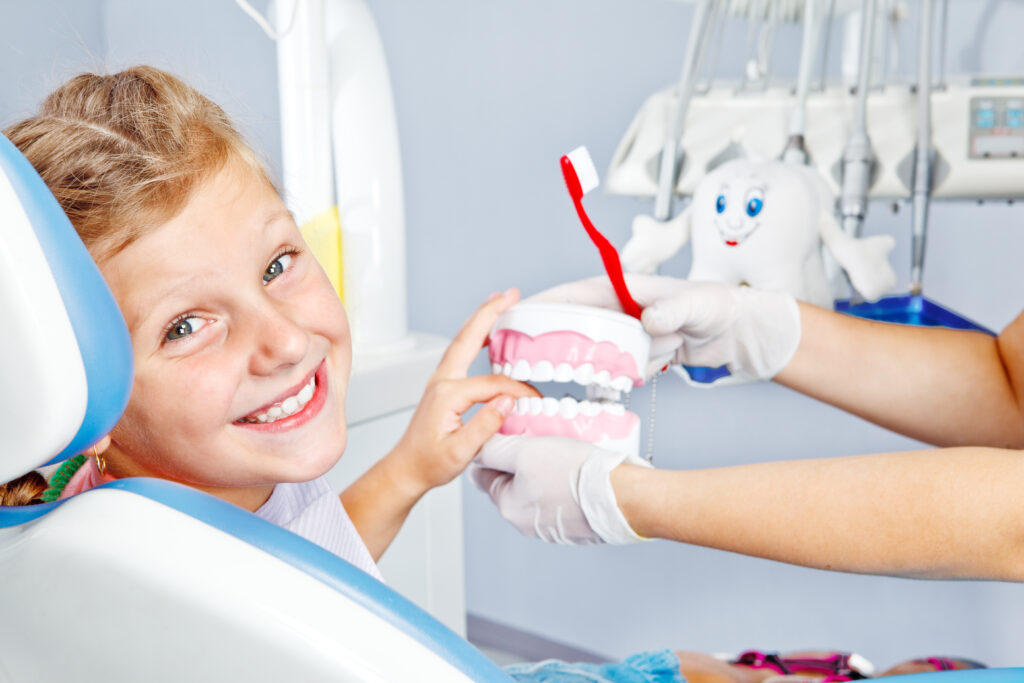
Parents face countless decisions about their children’s health, but few prove as impactful as early dental prevention. Fluoride treatments and dental sealants offer powerful protection against cavities, yet many families remain unsure when to start or which option works best. These preventive measures can reduce tooth decay by up to 80% when combined properly. Understanding how each treatment protects developing teeth—and why timing matters—helps parents make informed choices that last a lifetime.
How Fluoride Protects Your Child’s Teeth From Decay
When children consume fluoride through water, toothpaste, or professional treatments, this mineral becomes incorporated into developing tooth enamel, creating a stronger crystalline structure that resists acid attacks from cavity-causing bacteria. This process, called remineralization, repairs microscopic cavities before they become visible decay.
Topical fluoride application works directly on erupted teeth surfaces. Dentists apply varnishes or gels during checkups, providing concentrated protection that continues working for months. Daily brushing with fluoridated toothpaste offers consistent topical benefits between professional visits.
For children in non-fluoridated water areas, systemic fluoride supplementation through drops or tablets helps protect developing teeth beneath the gums. Pediatric dentists calculate proper dosages based on the child’s age and local water fluoride levels, ensuring excellent protection without excess exposure. Both delivery methods greatly reduce cavity formation in pediatric patients.
Types of Fluoride Treatments Available for Children
Although multiple fluoride options exist for protecting children’s teeth, parents should understand the distinct advantages of each treatment type to make informed decisions with their dental provider. Professional types of fluoride application methods include varnish, gel, and foam treatments administered during dental visits. Varnish adheres directly to tooth surfaces for extended protection, while gels and foams require tray application for several minutes.
Different fluoride formulations serve specific preventive needs. Prescription fluoride toothpastes contain higher concentrations than over-the-counter options. Fluoride mouth rinses provide daily supplemental protection for children over six who can rinse without swallowing. Systemic fluoride supplements, available as drops or tablets, benefit children in non-fluoridated water areas. Dentists determine appropriate treatments based on cavity risk assessment, age, and existing fluoride exposure levels.
Understanding Dental Sealants and How They Work
Dental sealants are thin, protective plastic coatings that dentists paint onto the chewing surfaces of children’s back teeth, where most cavities develop. The application process involves cleaning the tooth, applying a special gel to prepare the surface, and then brushing on the liquid sealant material that hardens under a special light. This protective barrier shields the deep grooves and pits of molars from food particles and bacteria, preventing up to 80% of cavities in treated teeth.
What Are Dental Sealants
Most parents wonder how they can add extra protection to their children’s teeth beyond regular brushing and flossing. Dental sealants offer a proven preventive solution that shields vulnerable tooth surfaces from decay-causing bacteria and food particles.
Sealants are thin, protective plastic coatings applied to the chewing surfaces of back teeth—molars and premolars. These teeth contain natural grooves and pits where cavities commonly form. During tooth development, these deep crevices become difficult to clean, even with thorough brushing. The sealant material bonds directly to the tooth’s enamel formation, creating a smooth barrier that blocks harmful substances from settling into these tiny spaces.
Dentists typically recommend sealants for permanent molars as soon as they emerge, usually around ages six and twelve. This timing provides maximum protection during cavity-prone years.
Application Process Steps
The sealant application process takes less than five minutes per tooth and requires no drilling or removal of tooth structure. The dentist begins by thoroughly cleaning and drying the child’s tooth. A special gel is applied to roughen the chewing surface slightly, helping the sealant bond properly. After rinsing and drying again, the dentist carefully paints the liquid sealant material onto the tooth’s grooves and pits.
A curing light hardens the sealant within seconds, creating a protective shield. The entire application procedure is painless and comfortable for children. Once hardened, the dentist verifies the child’s bite to guarantee proper tooth alignment. The newly sealed tooth can be used immediately for normal eating and drinking. This quick preventive treatment protects vulnerable molars from cavity-causing bacteria for years.
Protection Against Cavities
Nearly 90 percent of cavities in permanent teeth occur in the back molars where food particles and bacteria accumulate in deep grooves. Dental sealants create a protective shield over these vulnerable surfaces, blocking harmful bacteria and acids from reaching the tooth enamel. This barrier greatly contributes to cavity reduction by preventing decay before it starts.
While sealants physically protect tooth surfaces, fluoride works differently by promoting tooth remineralization. When children consume fluoridated water or receive topical fluoride treatments, minerals rebuild weakened enamel areas damaged by acid attacks. Together, sealants and fluoride provide extensive protection—sealants guard the chewing surfaces while fluoride strengthens all tooth surfaces. Studies show children with sealants experience 80 percent fewer cavities in treated molars during the critical years following tooth eruption.
The Best Age to Start Fluoride and Sealant Treatments
Dental professionals recommend beginning fluoride treatments as soon as a child’s first tooth appears, typically around six months of age, to strengthen developing enamel and prevent cavities. Sealants work best when applied to permanent molars shortly after they emerge, usually between ages 6 and 12, before decay has a chance to form in the deep grooves. Parents should consult their child’s dentist to create a personalized prevention schedule based on their child’s specific cavity risk and tooth development timeline.
First Fluoride Application Age
When children reach their second birthday, dental professionals typically recommend beginning fluoride varnish applications to strengthen developing teeth and prevent cavities. This ideal application timeframe coincides with the emergence of primary molars, which are particularly vulnerable to decay. Early childhood fluoride needs vary based on water fluoridation levels and individual cavity risk factors.
Pediatric dentists may suggest earlier applications for high-risk children, sometimes starting at twelve months. These professional treatments complement daily fluoride exposure from toothpaste and drinking water. The varnish adheres directly to tooth surfaces, providing concentrated protection where children need it most.
Regular applications every three to six months during the preschool years establish a strong foundation for lifelong oral health. Parents should discuss their child’s specific fluoride requirements with their dentist to determine the most suitable treatment schedule.
Optimal Sealant Timing
Beyond fluoride treatments, dental sealants offer another powerful preventive tool that protects children’s teeth during their most cavity-prone years. The ideal sealant timing typically occurs when permanent molars emerge—around age six for first molars and age twelve for second molars. These teeth have deep grooves where food particles and bacteria accumulate, making them particularly vulnerable to decay.
Dentists recommend applying sealants soon after these teeth fully erupt, before cavities can form. The right sealant application involves painting a thin, protective coating on the chewing surfaces, creating a barrier against cavity-causing bacteria. This quick, painless procedure takes only minutes per tooth and can reduce cavity risk by up to 80%. Parents should schedule dental visits during these critical ages to guarantee timely sealant placement for maximum protection.
What to Expect During Your Child’s Sealant Application
Most children find sealant application surprisingly easy and completely painless. The procedure requires no drilling or removal of tooth structure, eliminating typical pain management needs. Parents’ concerns about discomfort prove unfounded since the process involves only cleaning, conditioning, and painting the protective coating onto teeth.
The appointment begins with thorough tooth cleaning and drying. The dentist applies a special gel to roughen the tooth surface slightly, ensuring proper sealant adhesion. After rinsing and drying again, the liquid sealant flows into grooves and pits. A curing light hardens the material within seconds.
Children remain awake throughout the 15-30 minute procedure. They can resume normal activities immediately, including eating and drinking. The newly sealed teeth feel slightly different initially, but children adjust within hours to the smooth protective surface.
Safety Considerations and Potential Side Effects
Although dental sealants have protected children’s teeth for decades, parents naturally question their safety and potential risks. Research consistently demonstrates that sealants are safe for children when properly applied by qualified dental professionals. The most common side effect involves temporary potential skin irritation around the mouth from materials used during application, which typically resolves within hours. Some parents express concerns about the impact on developing teeth, but studies show sealants do not interfere with normal tooth growth or eruption patterns.
Allergic reactions remain extremely rare, occurring in fewer than one percent of cases. The protective benefits against cavities far outweigh minimal risks. Dental professionals monitor each child’s response during and after application, ensuring immediate attention to any unusual reactions while providing parents with clear post-treatment guidelines.
Combining Fluoride and Sealants With Other Preventive Measures
While fluoride treatments and dental sealants provide robust protection against cavities, pediatric dentists recommend integrating these treatments into a comprehensive oral health strategy. These preventive measures work best when combined with proper thorough oral hygiene habits, including twice-daily brushing with fluoride toothpaste and daily flossing once children develop adjacent teeth.
Dietary recommendations for tooth health greatly enhance the effectiveness of fluoride and sealants. Limiting sugary snacks and beverages reduces acid attacks on teeth, while encouraging water consumption helps rinse away food particles. Calcium-rich foods strengthen developing teeth, and crunchy vegetables stimulate saliva production, naturally cleansing the mouth.
Regular dental checkups every six months allow professionals to monitor sealant integrity, reapply fluoride varnish, and detect problems early. This multi-layered approach creates ideal conditions for maintaining healthy teeth throughout childhood.
Insurance Coverage and Cost-Effectiveness of Preventive Treatments
Many dental insurance plans recognize the value of preventive care by covering fluoride treatments and sealants for children, though coverage details vary considerably between providers. Most insurance plan benefits include full or partial coverage for fluoride applications until age 14 and sealants on permanent molars through age 18. Parents should review their specific policy limitations and frequency allowances.
The cost saving benefits of these preventive treatments prove substantial over time. A single sealant application costs approximately $30-60 per tooth, while treating one cavity averages $200-600. Research demonstrates that every dollar spent on preventive dental care saves $8-50 in future restorative treatments. For families without insurance, many community health centers and school-based programs offer reduced-cost or free preventive services, ensuring all children access these protective treatments regardless of financial circumstances.
Frequently Asked Questions
How Long Do Dental Sealants Typically Last on Children’s Teeth?
Dental sealants protect children’s teeth for five to ten years with proper care. Sealant longevity depends on eating habits and oral hygiene. Regular sealant maintenance requirements include dental checkups twice yearly to monitor wear and reapply when necessary.
Can My Child Eat Immediately After Fluoride Treatment or Sealant Application?
Post treatment dietary restrictions differ: children should wait 30 minutes after fluoride application before eating or drinking, while sealants require avoiding sticky foods for 24 hours. Timing of next meal depends on which procedure was performed.
Will Sealants Need to Be Replaced When Baby Teeth Fall Out?
Baby teeth with sealants naturally fall out and don’t need replacement. Advantages of dental sealants include protecting permanent teeth once they emerge. Factors affecting sealant longevity matter for permanent molars, which benefit from preventive reapplication every few years.
Do Fluoride Treatments or Sealants Hurt During Application?
Neither procedure causes pain. During dental appointment discomfort remains minimal since fluoride involves simply painting gel on teeth, while sealants require gentle cleaning and coating. Post treatment sensations include temporary unusual taste from fluoride, nothing painful.
How Often Should My Child Receive Professional Fluoride Treatments?
Professional recommendations suggest children receive fluoride treatments every six months during routine dental visits. Ideal application frequency may vary based on individual cavity risk, with high-risk children potentially benefiting from treatments every three months.