
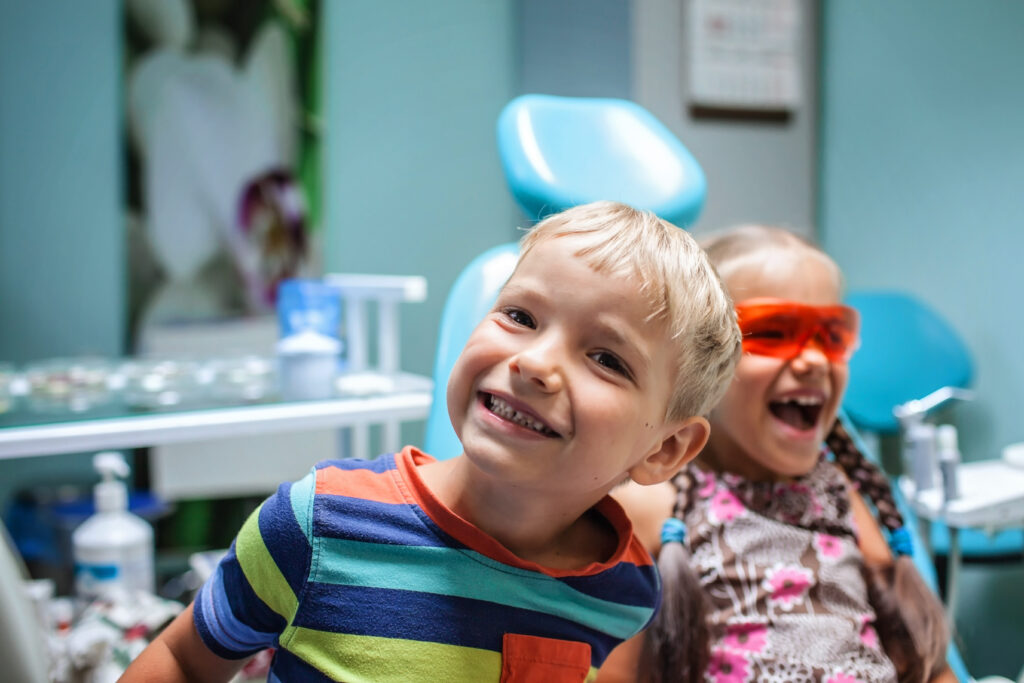
Establishing dental care habits during the toddler years shapes a child’s oral health for life. Many parents struggle to know when to begin brushing, which products to choose, and how to handle resistance from their little ones. The shift from gum cleaning to proper tooth brushing requires specific techniques and timing. Understanding these developmental milestones, along with practical strategies for common challenges, transforms dental care from a daily battle into a manageable routine.
When to Start Brushing Your Child’s Teeth and Gums
When should parents begin oral hygiene routines for their children? Dental professionals recommend starting even before the first tooth emerges. Parents should gently wipe their infant’s gums with a clean, damp washcloth after feedings to remove bacteria and establish early dental hygiene education.
Once teeth appear, typically around six months, parents should shift to using a soft-bristled, age-appropriate toothbrush. Proper brushing methods include using a rice grain-sized amount of fluoride toothpaste for children under three, increasing to a pea-sized amount afterward. Parents should brush twice daily using gentle circular motions, ensuring all tooth surfaces receive attention.
Children lack the motor skills for independent brushing until approximately age six. Until then, parents must perform or closely supervise brushing sessions, gradually teaching technique while monitoring effectiveness.
Choosing the Right Toothbrush and Toothpaste for Different Ages
Selecting appropriate dental tools evolves alongside a child’s developmental stages and changing oral anatomy. For infants through age two, parents should use finger brushes or small-headed toothbrushes with extra-soft bristles. Bristle gentleness remains crucial throughout early childhood to protect delicate gum tissue and developing enamel.
Toothpaste selection requires careful attention to fluoride concentration. Children under two need fluoride-free options or a rice-grain amount of fluoridated paste. Between ages two and three, a pea-sized portion of toothpaste containing 1000ppm fluoride becomes appropriate. After age three, children can use standard fluoride toothpaste while maintaining supervised brushing.
Toothbrush heads should accommodate smaller mouths—approximately 15mm for toddlers, expanding to 20mm for preschoolers. Replace brushes every three months or when bristles fray, whichever occurs first.
Making Tooth Brushing Fun and Less Stressful
Transforming tooth brushing from a daily struggle into an enjoyable routine requires creative strategies that appeal to a young child’s natural love of music and achievement. Simple brushing songs with two-minute durations can help children brush for the recommended time while associating oral care with playful melodies and familiar tunes. Visual reward charts featuring stickers or stamps provide tangible recognition for successful brushing sessions, motivating consistent participation through age-appropriate positive reinforcement systems.
Fun Brushing Songs
Because toothbrushing can trigger resistance in young children who crave autonomy, incorporating music into the routine offers a evidence-based strategy for reducing conflict while ensuring adequate brushing duration. Research demonstrates that engaging brushing tunes help children maintain the recommended two-minute brushing time while transforming a mundane task into an enjoyable activity.
Parents can utilize classic songs with modified lyrics, such as adapting “Row Your Boat” to include dental themes, or access specialized apps featuring musical toothbrush companions that guide children through proper techniques. These melodic tools address developmental needs by providing structure without coercion. Songs with repetitive patterns support memory formation, helping children internalize brushing sequences. Additionally, rhythm naturally encourages circular brushing motions essential for plaque removal, while familiar melodies reduce anxiety associated with oral care routines.
Reward Chart Systems
When toddlers complete their brushing routine consistently, visual reward systems provide concrete evidence of their accomplishments while capitalizing on young children’s natural attraction to stickers and colorful displays. These incentive programs transform oral hygiene from a struggle into an achievable daily goal.
Parents can create simple charts featuring seven boxes for twice-daily brushing. Each successful session earns a sticker, building toward a weekly reward. This positive reinforcement method respects developmental readiness while establishing lifelong habits. Charts should remain age-appropriate—toddlers respond to immediate sticker placement, while preschoolers understand working toward end-of-week prizes.
Effective rewards include extra bedtime stories, choosing breakfast foods, or selecting family movie nights. These non-monetary incentives connect brushing success with meaningful experiences rather than material goods, reinforcing that dental care itself holds value.
Teaching Proper Brushing Techniques to Young Children
Teaching proper brushing techniques to young children requires adapting methods to their developmental stage and motor skills. Parents can transform the learning process into an enjoyable activity while demonstrating age-appropriate ways to hold the toothbrush, from the fist grip for toddlers to the modified adult grip for preschoolers. Simple two-minute timing strategies, such as singing familiar songs or using colorful sand timers, help children understand the appropriate duration for thorough cleaning while maintaining their attention throughout the routine.
Making Brushing Fun
Most toddlers and young children view toothbrushing as an unwelcome interruption to their play rather than an essential health routine. Parents can transform this perception by incorporating imaginative elements that appeal to their child’s developmental stage.
Dressing up as characters during brushing time engages young children’s natural love of pretend play. A superhero cape or princess crown worn specifically for oral hygiene creates positive associations with the activity. Parents might designate themselves and their child as “cavity fighters” defending teeth from sugar bugs.
Turning it into a game addresses toddlers’ short attention spans while ensuring thorough cleaning. Musical toothbrushes, two-minute timers with visual countdowns, and brushing charts with stickers provide measurable goals. Mirror play allows children to observe their technique while making silly faces, maintaining engagement throughout the recommended brushing duration.
Age-Appropriate Brush Grips
Although fine motor skills develop gradually throughout early childhood, parents can adapt toothbrush grips to match their child’s current abilities while maintaining effective cleaning. For toddlers aged 12-24 months, caregivers should guide the child’s hand using the hand-over-hand method, allowing the child to feel the brushing motion while ensuring thorough cleaning.
Between ages two and three, children can hold brushes with wider grip size handles designed for small hands. The fist grip remains most natural at this stage. By age four, many children shift to a modified adult grip, though grip comfort should determine progression rather than age alone. Triangular or ergonomic handles provide better control than standard cylindrical designs. Parents should continue supervising and assisting until children demonstrate consistent circular motions and reach all tooth surfaces, typically around age six.
Two-Minute Timer Tricks
Musical toothbrushes and colorful sand timers transform the recommended two-minute brushing duration into an engaging activity rather than a tedious task for young children. These creative timers help establish proper oral hygiene habits during critical developmental years when attention spans remain limited.
Audiovisual timers specifically designed for bathroom use display animated characters or play familiar songs that last exactly two minutes. Many pediatric dentists recommend smartphone applications featuring beloved cartoon characters that dance while children brush each quadrant for thirty seconds. Traditional egg timers shaped like animals or superheroes provide tactile engagement for toddlers who prefer physical objects.
Parents should rotate between different timing methods to maintain novelty and prevent boredom. Consistency matters more than the specific timer chosen, as regular two-minute sessions guarantee thorough plaque removal and fluoride exposure from toothpaste.
Dealing With Common Dental Problems in Early Childhood
Several dental issues commonly emerge during the toddler and preschool years, requiring prompt attention to prevent complications and establish positive oral health patterns. Early childhood caries remains the most prevalent concern, affecting primary teeth when bacteria metabolize sugars into enamel-eroding acids. Parents should monitor for white spots near the gumline, indicating initial demineralization requiring immediate intervention.
Effective cavity prevention involves limiting sugary beverages, especially in bottles or sippy cups between meals. Fluoride toothpaste application twice daily strengthens developing enamel. For active tooth decay management, pediatric dentists may recommend silver diamine fluoride treatments to arrest progression without sedation. Thumb-sucking beyond age four warrants gentle redirection to prevent malocclusion. Dental trauma from falls necessitates immediate evaluation, even for minor chips. Regular six-month checkups enable early detection and treatment planning appropriate for each developmental stage.
Preparing for Your Child’s First Dentist Visit
Beyond addressing dental problems as they arise, establishing professional dental care early creates a foundation for lifelong oral health. The American Academy of Pediatric Dentistry recommends scheduling a child’s first dental visit by age one or within six months of the first tooth’s eruption.
Parents should prepare toddlers through simple explanations and positive language about the upcoming appointment. Reading books about dentist visits and role-playing dental checkups at home familiarizes children with expected procedures. Many practices offer a preliminary dental office tour, allowing young patients to explore the environment without pressure.
For calming child anxiety, parents should remain relaxed and avoid using negative dental experiences as reference points. Morning appointments often work best when toddlers are well-rested. Bringing a comfort item provides additional security during the examination.
Healthy Eating Habits That Protect Little Teeth
Nutrition plays a fundamental role in dental development during the toddler and preschool years, influencing both tooth strength and cavity prevention. Parents should prioritize calcium-rich foods like cheese, yogurt, and milk to strengthen developing enamel. Fresh fruits and vegetables serve as nutritious snack options that stimulate saliva production, naturally cleansing teeth between meals.
Limiting sugary treats remains essential for cavity prevention. When children consume sweets, timing matters—offering them during meals rather than between reduces acid exposure. Water should replace juice and sugary drinks throughout the day. Sticky foods like dried fruit and gummy snacks pose particular risks, adhering to tooth surfaces for extended periods.
Creating structured eating schedules helps protect teeth by reducing constant snacking. Five to six small, balanced meals provide adequate nutrition while allowing teeth recovery time between exposures.
Creating a Consistent Bedtime Dental Routine
Most dental professionals recommend establishing bedtime oral care habits by age two, as nighttime routines substantially impact cavity prevention during early childhood. A consistent nightly schedule helps children anticipate and accept brushing as a non-negotiable part of preparing for sleep. Parents should create a designated brushing space with step stools and child-appropriate supplies within reach, fostering independence while maintaining supervision.
The routine should occur after the last food or beverage consumption, allowing fluoride from toothpaste to protect teeth overnight when saliva production naturally decreases. Two minutes of brushing remains the clinical standard, though younger toddlers may require gradual time increases. Parents should assist with brushing until children develop adequate dexterity, typically around age six. Visual timers and songs help maintain engagement while ensuring thorough cleaning of all tooth surfaces.
Frequently Asked Questions
Is Thumb Sucking Harmful to My Toddler’s Teeth Development?
Thumb sucking becomes problematic when permanent teeth emerge around age five. Before then, thumb sucking duration rarely causes damage. Natural thumb sucking cessation typically occurs between ages two and four without intervention or lasting effects.
When Should My Child Start Using Mouthwash?
Children should begin using mouthwash around age six when they can reliably rinse and spit. Proper mouthwash usage requires developmental readiness. Recommended mouthwash types include alcohol-free, fluoride formulations specifically designed for children’s oral health needs.
Are Electric Toothbrushes Safe for Young Children?
Electric toothbrushes are safe for children over age three when supervised. Their effective cleaning ability helps compensate for developing motor skills, though parents should guarantee proper brushing technique and select soft-bristled, child-sized models designed specifically for small mouths.
How Do I Handle a Knocked-Out Baby Tooth?
Parents should seek immediate dental care when a baby tooth is knocked out. While dentists typically don’t reimplant baby teeth, they must preserve knocked out tooth for examination and check for fragments, jaw injury, or damage to developing permanent teeth.
Should My Child Get Dental Sealants?
Dental sealants offer significant cavity prevention benefits for children. The ideal age for sealants is typically 6-12 years when permanent molars emerge. Parents should consult their dentist to determine if their child’s teeth would benefit from this protective coating.