
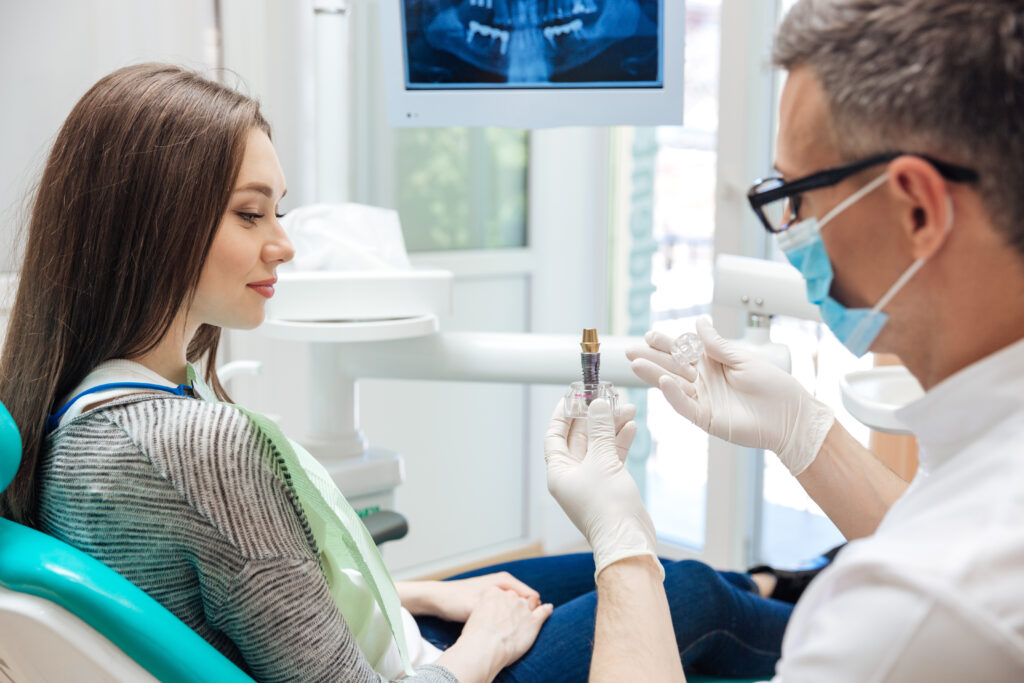
Dental implants represent a significant investment in oral rehabilitation, with patients requiring accurate data on their expected service life. Clinical studies indicate variable survival rates across different implant components, from the titanium fixture to the prosthetic crown. Multiple biological and mechanical factors influence implant longevity, including osseointegration quality, occlusal forces, and periodontal health status. Understanding these determinants proves essential for both treatment planning and long-term prognosis assessment.
Average Lifespan of Dental Implants and Their Components
Most dental implants demonstrate exceptional longevity when properly integrated and maintained, with titanium fixtures showing survival rates exceeding 95% at ten years and 89-93% at fifteen to twenty years according to systematic reviews and longitudinal studies. The implant material composition profoundly influences durability, with titanium and titanium-zirconium alloys exhibiting superior osseointegration properties compared to ceramic alternatives. Prosthetic components exhibit shorter lifespans than implant fixtures. Abutments typically require replacement after 10-15 years due to mechanical wear, while implant crowns last 10-15 years before restoration becomes necessary. Contemporary dental implant failure rates remain below 5% within the first decade when appropriate surgical protocols and maintenance regimens are followed. Component longevity varies based on occlusal forces, parafunctional habits, and prosthetic design factors affecting load distribution.
Key Factors That Affect Dental Implant Longevity
The longevity of dental implants depends considerably on multiple patient-specific and clinical variables that influence osseointegration stability and peri-implant tissue health. Consistent oral hygiene practices, including mechanical plaque removal and professional maintenance protocols, directly correlate with reduced incidence of peri-implantitis and subsequent implant failure rates. Additionally, adequate bone density quality at the implant site provides essential mechanical support and determines the initial stability required for successful long-term osseointegration.
Oral Hygiene Practices
Consistently maintaining rigorous oral hygiene practices directly correlates with dental implant survival rates exceeding 95% at ten-year follow-up intervals, according to longitudinal clinical studies. Proper brushing techniques utilizing soft-bristled toothbrushes at 45-degree angles effectively remove biofilm accumulation around implant-abutment junctions without causing tissue trauma. Patients must perform twice-daily brushing for minimum two-minute durations, focusing on peri-implant sulcular areas.
Interdental cleaning methods prove essential for preventing peri-implantitis development. Clinical evidence demonstrates that daily interproximal plaque removal using specialized implant floss, water irrigators, or appropriately sized interdental brushes reduces inflammatory markers by 40%. Antimicrobial mouth rinses containing 0.12% chlorhexidine gluconate provide supplementary bacterial load reduction when prescribed for short-term therapeutic intervals. Professional maintenance appointments every three to six months enable early detection of complications while providing specialized debridement of implant surfaces.
Bone Density Quality
Although multiple anatomical variables influence implant osseointegration, bone density classification according to Lekholm and Zarb criteria remains the primary predictor of initial stability and long-term success rates. Type I and II bone demonstrate superior primary stability, achieving 95-98% success rates over ten years. Conversely, Type IV bone exhibits compromised mechanical retention, necessitating modified surgical protocols and extended healing periods.
Adequate bone volume requirements include minimum horizontal width of 6mm and vertical height of 10mm for standard implant placement. Insufficient bone dimensions mandate bone graft procedures, including autogenous, allogeneic, or xenograft materials. Guided bone regeneration techniques restore deficient alveolar architecture, though grafted sites demonstrate marginally reduced success rates compared to native bone. Cone-beam computed tomography enables precise preoperative assessment of cortical thickness and trabecular density, optimizing treatment planning.
Signs Your Dental Implant May Need Attention or Replacement
Patients with dental implants should monitor for specific clinical indicators that suggest potential complications requiring professional evaluation. Persistent gum inflammation around the implant site often indicates peri-implantitis, a bacterial infection affecting surrounding tissues. Observable signs include erythema, edema, and bleeding upon probing. Progressive bone loss detected through radiographic examination represents advanced pathology requiring immediate intervention.
Additional warning indicators encompass implant mobility, which suggests osseointegration failure or significant bone resorption. Patients may experience pain during mastication, metallic taste, or purulent discharge from peri-implant tissues. Prosthetic complications manifest as crown loosening, screw fractures, or ceramic chipping. Radiating pain, paresthesia, or sinus complications indicate potential nerve involvement or maxillary sinus perforation. Early detection through regular clinical examinations enables timely therapeutic interventions, potentially preserving implant viability and preventing complete failure requiring extraction and site rehabilitation.
Comparing Dental Implants to Other Tooth Replacement Options
Multiple tooth replacement modalities exist within contemporary restorative dentistry, each presenting distinct biomechanical properties, clinical indications, and long-term prognoses. Dental implants demonstrate superior osseointegration compared to removable dentures and fixed bridges, offering 95% survival rates at 10 years versus 50-70% for conventional restorative procedures. Unlike bridges requiring adjacent tooth preparation, implants preserve natural tooth structure while preventing alveolar bone resorption through functional loading.
Removable partial dentures exhibit accelerated bone loss and potential abutment tooth damage. Fixed bridges demonstrate higher secondary caries rates and endodontic complications. While initial implant failures occur in 2-5% of cases, successful osseointegration yields superior masticatory function restoration. Cost-benefit analyses favor implants despite higher initial investment, considering reduced maintenance requirements and decreased need for replacement interventions compared to traditional prosthetic alternatives.
Essential Maintenance Tips to Maximize Your Implant’s Lifespan
Five critical maintenance protocols determine long-term dental implant success, with proper oral hygiene representing the primary factor in preventing peri-implantitis and subsequent fixture loss. Daily biofilm disruption through specialized interdental brushes and water irrigation devices prevents bacterial colonization around implant surfaces. Regular professional cleanings every three to four months enable subgingival debridement and early detection of inflammatory changes.
Clinicians must perform monitoring implant stability assessments using resonance frequency analysis or percussion testing during recall appointments. Radiographic evaluation annually identifies crestal bone level alterations before clinical manifestation. Occlusal adjustment prevents excessive loading forces that compromise osseointegration. Patients exhibiting parafunctional habits require nocturnal splint therapy. Glycemic control in diabetic patients and smoking cessation greatly impact peri-implant tissue health. These evidence-based interventions collectively extend implant survival rates beyond twenty years when implemented consistently.
Common Reasons Why Dental Implants Fail or Need Replacement
Despite high success rates exceeding 95%, dental implants can fail due to several preventable factors that compromise osseointegration and peri-implant tissue health. Poor oral hygiene leads to peri-implantitis through bacterial accumulation, while smoking impairs wound healing and reduces blood flow to the implant site by up to 30%. Insufficient bone density, whether pre-existing or resulting from resorption, prevents adequate mechanical stability and biological integration of the titanium fixture.
Poor Oral Hygiene
Three distinct mechanisms link inadequate oral hygiene to dental implant failure: peri-implant mucositis, progressive peri-implantitis, and accelerated bone resorption around the implant fixture. Poor oral hygiene habits enable bacterial biofilm accumulation on implant surfaces, triggering inflammatory cascades that compromise osseointegration. Clinical studies demonstrate that patients with inadequate plaque control exhibit 2.5-fold higher implant failure rates compared to those maintaining ideal hygiene protocols.
Lack of regular dental visits prevents early detection of peri-implant pathology. Professional maintenance intervals exceeding six months correlate with increased probing depths and bleeding indices around implants. Bacterial colonization patterns shift toward anaerobic species within 72 hours of disrupted hygiene, initiating cytokine-mediated bone loss. Without mechanical debridement and antimicrobial intervention, irreversible peri-implantitis develops in 20% of implants within five years post-placement.
Smoking and Tobacco
While bacterial accumulation from poor hygiene creates localized inflammatory responses, tobacco use introduces systemic vasoconstrictive effects that fundamentally impair implant integration at the cellular level. Nicotine reduces peripheral blood flow by 30-40%, compromising oxygen delivery to peri-implant tissues. This hypoxic environment inhibits osteoblast proliferation and collagen synthesis, critical processes for osseointegration.
Studies demonstrate implant failure rates of 15.8% among smokers versus 1.4% in non-smokers. Tobacco usage specifically delays initial bone healing, increases marginal bone loss, and elevates peri-implantitis risk threefold. Carbon monoxide further impairs wound healing by reducing oxygen-carrying capacity of hemoglobin. Smoking cessation protocols implemented 2-8 weeks pre-operatively greatly improve outcomes, though complete abstinence remains ideal. Post-surgical tobacco exposure during the critical 8-week osseointegration period correlates with early implant failure.
Insufficient Bone Density
What determines whether an implant achieves stable integration beyond the initial healing phase? Adequate bone density provides the mechanical foundation for osseointegration. Insufficient cortical and cancellous bone volume compromises primary stability, preventing proper fixture anchorage. Studies demonstrate implant failure rates escalate substantially when bone density falls below 850 Hounsfield units on CT evaluation.
Patients with inadequate bone architecture require preparatory interventions before implant placement. Bone grafting procedures utilizing autogenous, allogeneic, or xenogeneic materials rebuild deficient alveolar structures. Ridge augmentation techniques, including guided bone regeneration with membrane barriers, restore horizontal and vertical dimensions. These procedures typically require four to six months of healing before implant insertion. Without sufficient osseous support, micromovement exceeding 150 micrometers disrupts integration, leading to fibrous encapsulation rather than direct bone-to-implant contact.
The Role of Bone Health and Gum Disease in Implant Success
How does the structural integrity of the alveolar bone and the presence of periodontal disease determine the viability of dental implant placement? Adequate bone density provides mechanical stability for osseointegration, while compromised bone architecture increases failure rates by 15-20%. Active periodontal disease creates a pathogenic environment that impedes healing and promotes peri-implantitis.
Gum recession exposes implant threads, facilitating bacterial colonization and subsequent bone loss. Studies demonstrate that patients with untreated periodontitis experience implant failure rates exceeding 30%, compared to 5% in periodontally healthy individuals. Effective inflammation management through scaling, root planing, and antimicrobial therapy reduces inflammatory mediators that compromise osseointegration. Clinicians must achieve periodontal stability before implant placement, maintaining probing depths below 4mm and eliminating bleeding on probing to optimize long-term outcomes.
When to Schedule Check-ups and What Your Dentist Will Monitor
Most implant specialists recommend initial check-ups at 1, 3, and 6 months post-placement, followed by biannual maintenance appointments for long-term monitoring. During these visits, clinicians evaluate peri-implant tissue health, assess osseointegration stability, and perform radiographic analysis to detect potential bone loss. Professional cleaning protocols remove bacterial biofilm and calculus deposits that standard home care cannot eliminate.
Dentists monitor specific parameters including probing depths, bleeding indices, and implant mobility scores. They examine prosthetic components for wear, fractures, or screw loosening. Adherence to the prescribed cleaning schedule enables early detection of peri-implantitis or mechanical complications. Between appointments, patients must maintain proper dental care through twice-daily brushing with soft-bristled toothbrushes, daily interproximal cleaning, and antimicrobial rinses when indicated. This systematic surveillance approach substantially extends implant longevity.
Frequently Asked Questions
How Much Do Dental Implants Typically Cost Compared to Dentures?
Average dental implant costs range from $3,000-$6,000 per tooth, vastly exceeding dentures at $1,000-$3,000 per arch. However, long term implant maintenance expenses remain minimal, while dentures require periodic adjustments, relines, and replacements every 5-7 years.
Will My Dental Insurance Cover Implant Replacement After Failure?
Dental insurance coverage for implant replacement varies considerably. Most policies contain specific exclusions for failed implants, particularly those deemed cosmetic. Coverage limits typically range from $1,000-$2,000 annually, with replacement procedures often requiring pre-authorization and documented medical necessity.
Can I Get Dental Implants if I Smoke or Have Diabetes?
Patients with pre-existing medical conditions like diabetes or lifestyle factors including smoking can receive dental implants, though these variables increase failure rates. Glycemic control optimization and smoking cessation protocols drastically/vastly/considerably improve osseointegration success and long-term prognosis.
How Painful Is the Dental Implant Procedure and Recovery Process?
Patients typically experience minimal intraoperative pain due to local anesthesia. Post-surgical discomfort management involves pain medication administration, with most reporting mild-to-moderate soreness for 3-7 days. Clinical studies indicate recovery discomfort remains well-controlled through prescribed analgesic protocols.
Are Dental Implants Safe for MRI Scans and Airport Security?
Titanium dental implants demonstrate excellent implant material compatibility with MRI protocols, producing minimal artifacts without safety risks. Airport metal detectors may activate, though radiation exposure concerns are negligible. Clinical evidence confirms both procedures remain safe for implant patients.