
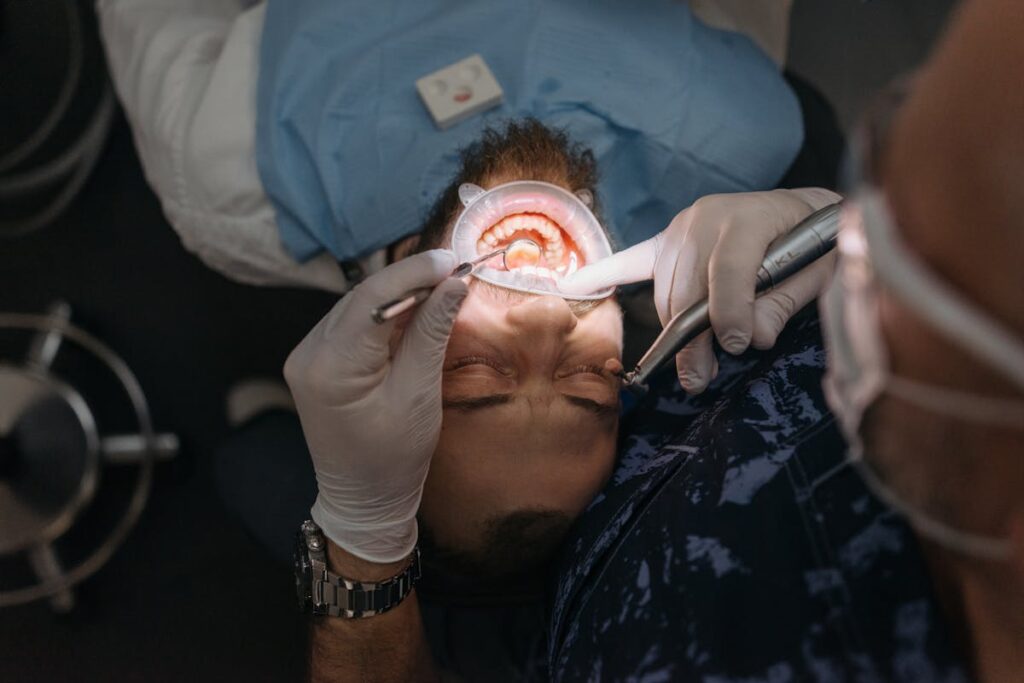
Periodontal disease affects nearly half of adults over thirty, progressing through distinct clinical stages from reversible gingivitis to severe periodontitis with irreversible tissue destruction. Each stage presents specific pathological changes requiring targeted therapeutic interventions. Early detection and appropriate treatment protocols can halt disease progression, while delayed intervention leads to extensive bone loss and potential tooth mortality. Understanding the classification system and corresponding treatment modalities remains critical for ideal periodontal outcomes.
Understanding What Gum Disease Is and How It Develops
Gum disease, clinically termed periodontal disease, represents a spectrum of inflammatory conditions affecting the supporting structures of teeth, initiated by bacterial biofilm accumulation along the gingival margin. The pathogenesis involves complex interactions between microbial pathogens and host immune mechanisms. Inadequate oral hygiene habits facilitate bacterial colonization, forming organized biofilms that produce endotoxins and metabolic byproducts.
The host’s inflammatory response to these bacterial challenges determines disease progression. Initial tissue destruction occurs through direct bacterial enzymatic activity and indirect immunopathological mechanisms. Polymorphonuclear leukocytes release proteolytic enzymes and inflammatory mediators, including interleukins and tumor necrosis factor-alpha, perpetuating tissue breakdown. Without intervention, the condition advances from reversible gingivitis to irreversible periodontitis, characterized by clinical attachment loss, alveolar bone resorption, and potential tooth loss.
Stage 1: Gingivitis – Early Warning Signs and Symptoms
The earliest manifestation of periodontal disease presents as gingivitis, a reversible inflammatory condition confined to the gingival tissues without attachment loss or alveolar bone destruction. Clinical indicators include red inflamed gums exhibiting edematous changes and loss of normal stippling patterns. Bleeding gums during probing or mechanical stimulation represent the primary diagnostic criterion, with positive bleeding scores correlating directly with inflammatory activity levels.
Additional clinical findings encompass gingival margin swelling, increased crevicular fluid production, and halitosis. Histologically, gingivitis demonstrates increased vascularity, inflammatory cell infiltration predominantly consisting of chiefly neutrophils and lymphocytes, and epithelial proliferation. The condition typically develops within 10-21 days of plaque accumulation, with bacterial biofilm composition shifting from gram-positive aerobic species to gram-negative anaerobic organisms. Early intervention through professional debridement and improved oral hygiene protocols achieves complete resolution.
Stage 2: Early Periodontitis – When Damage Begins Below the Surface
When gingivitis progresses without adequate intervention, the inflammatory process extends beyond the gingival tissues into deeper periodontal structures, marking the shift to early periodontitis characterized by clinical attachment loss ranging from 1-2mm and initial alveolar bone resorption. Periodontal pocket depth measurements typically reveal probing depths of 4-5mm, exceeding the healthy sulcus depth of 1-3mm. Radiographic examination demonstrates crestal bone loss not exceeding 15% of root length.
Tissue inflammation indicators manifest as persistent bleeding on probing, increased gingival crevicular fluid production, and elevated inflammatory biomarkers including interleukin-1β and prostaglandin E2. The junctional epithelium migrates apically along the root surface, creating true periodontal pockets harboring anaerobic pathogens. Matrix metalloproteinases initiate collagen degradation within the periodontal ligament. Without therapeutic intervention, progressive attachment loss accelerates, establishing irreversible structural damage to the periodontium.
Stage 3: Moderate Periodontitis – Advancing Bone and Tissue Loss
Moderate periodontitis manifests with periodontal pocket depths of 6-7 millimeters, pronounced gingival recession, and potential tooth mobility as supporting structures deteriorate. Radiographic examination reveals 30-50% alveolar bone loss with visible furcation involvement in multi-rooted teeth, accompanied by progressive attachment loss that compromises the periodontal ligament integrity. Treatment protocols at this stage require scaling and root planing supplemented by localized antimicrobial therapy, with surgical intervention often necessary to arrest disease progression and regenerate lost periodontal tissues.
Signs and Symptoms
Progressive destruction of periodontal structures manifests through distinct clinical indicators as moderate periodontitis develops. Patients exhibit pronounced gingival recession exceeding 4-5 millimeters, exposing root surfaces and creating visible black triangles between teeth. Persistent halitosis becomes notable despite adequate oral hygiene practices. Tooth mobility reaches Grade I-II classification, with perceptible lateral movement under moderate pressure.
Clinical examination reveals probing depths between 5-7 millimeters with bleeding upon probing in multiple sites. Radiographic evidence demonstrates 30-50% alveolar bone loss. Purulent exudate may discharge from periodontal pockets spontaneously or upon digital pressure. While gum inflammation persists from early symptoms, tissue appearance shifts from edematous to fibrotic. Patients report heightened thermal sensitivity and discomfort during mastication. Diastema formation occurs as supporting structures deteriorate, compromising dental alignment and occlusal stability.
Bone Loss Progression
The pathophysiology of moderate periodontitis involves accelerated osteoclastic activity that surpasses osteoblastic bone formation, resulting in net alveolar bone resorption of 30-50% as measured from the cementoenamel junction. Radiographic analysis reveals vertical and horizontal bone defects, with trabecular density reduction evident on cone-beam computed tomography. The inflammatory cascade triggers RANKL-mediated osteoclast differentiation, while simultaneously suppressing osteoprotegerin production.
Progressive bone loss creates angular defects and furcation involvement in multi-rooted teeth. The impact on surrounding periodontal structures includes ligament destruction and cementum resorption. Cytokine-mediated bone degradation accelerates through IL-1β and TNF-α pathways. Bacterial endotoxins perpetuate osteoclastic recruitment, establishing a destructive cycle. Without intervention, bone loss advances at approximately 0.2-0.3mm annually. Clinical attachment loss exceeds 4mm, with probing depths reaching 6-7mm. The irreversible nature of alveolar bone destruction necessitates aggressive therapeutic intervention.
Treatment Options Available
When confronting moderate periodontitis with documented bone loss exceeding 30%, extensive treatment protocols must address both active infection and structural deficits through a multi-modal therapeutic approach. Scaling and root planing remains fundamental, typically requiring multiple quadrant sessions under local anesthesia. Adjunctive antimicrobial therapy, including locally delivered antibiotics such as minocycline microspheres or doxycycline hyclate gel, targets persistent bacterial colonies within periodontal pockets measuring 5-7mm.
Customized treatment plans incorporate patient-specific risk factors, occlusal analysis, and systemic health considerations. Surgical interventions may include open flap debridement, osseous recontouring, or guided tissue regeneration using barrier membranes. Affordable treatment methods such as staged therapy protocols allow cost distribution while maintaining therapeutic efficacy. Post-treatment maintenance requires quarterly prophylaxis, with pocket depth reduction serving as primary success criterion for disease stabilization.
Stage 4: Severe Periodontitis – Critical Damage and Tooth Mobility
Stage 4 periodontitis represents the terminal phase of periodontal disease, characterized by extensive alveolar bone resorption exceeding 50% and clinical attachment loss greater than 5mm. Patients exhibit pathognomonic signs including grade II-III tooth mobility, secondary occlusal trauma, furcation involvement, and potential tooth migration with associated masticatory dysfunction. Treatment protocols necessitate exhaustive periodontal therapy combining regenerative procedures, osseous surgery, and frequently extraction with subsequent prosthetic rehabilitation to restore oral function.
Signs of Critical Damage
Although periodontal disease progression typically follows a predictable pattern, severe periodontitis manifests through unmistakable clinical indicators that signal extensive alveolar bone destruction and compromised tooth stability. Critical stage indicators include pocket depths exceeding 6mm, with radiographic evidence revealing bone loss surpassing 50% of root length. Patients exhibit grade III tooth mobility, spontaneous gingival bleeding, and purulent exudate from periodontal pockets.
Severe gum recession exposes significant root surfaces, creating hypersensitivity and aesthetic concerns. Clinical examination reveals furcation involvement in multi-rooted teeth, pathologic tooth migration, and widening of interdental spaces. Secondary occlusal trauma accelerates tissue destruction, while halitosis persists despite oral hygiene measures. Advanced attachment loss compromises masticatory function, with patients reporting difficulty chewing. These manifestations require immediate periodontal intervention to prevent tooth loss.
Advanced Treatment Options
Extensive periodontal therapy for severe periodontitis frequently requires multidisciplinary intervention combining surgical, regenerative, and antimicrobial modalities to arrest disease progression and restore functional stability. Clinicians implement osseous surgery to eliminate deep pockets exceeding 6mm, facilitating access for debridement and recontouring irregular bone architecture. Guided tissue regeneration employs barrier membranes with bone grafting materials to reconstruct lost periodontal structures.
Adjunctive laser therapy provides selective bacterial elimination while preserving healthy tissue through photodynamic mechanisms. Localized antibiotic application via subgingival placement of tetracycline fibers or metronidazole gel maintains therapeutic drug concentrations within periodontal pockets. Systemic antimicrobials supplement mechanical therapy when aggressive pathogens persist. Treatment protocols incorporate occlusal adjustment to redistribute masticatory forces on mobile teeth. Sequential therapeutic phases span 6-12 months, requiring stringent maintenance protocols to prevent recurrence and preserve clinical outcomes.
Treatment Options for Early-Stage Gum Disease
When gingivitis manifests with characteristic gingival inflammation and bleeding, dental professionals implement a systematic therapeutic approach centered on biofilm disruption and bacterial load reduction. Professional mechanical debridement constitutes the primary intervention, employing ultrasonic instrumentation to eliminate supragingival calculus deposits and disorganize bacterial colonies within the gingival sulcus.
Scaling and root planing procedures target subgingival bacterial aggregates, removing calcified deposits from tooth surfaces while simultaneously smoothing cementum irregularities that harbor pathogenic microorganisms. This non-surgical periodontal therapy demonstrates efficacy in reducing probing depths and gingival inflammation indices.
Adjunctive antibiotic therapy may complement mechanical treatment in specific clinical scenarios. Locally delivered antimicrobials, including chlorhexidine rinses or doxycycline gel applications, enhance bacterial suppression. Systemic antibiotics remain reserved for aggressive presentations or immunocompromised patients, with metronidazole-amoxicillin combinations showing particular effectiveness against anaerobic periodontal pathogens.
Advanced Treatment Methods for Moderate to Severe Periodontitis
As periodontal destruction progresses beyond the reversible inflammatory changes of gingivitis, therapeutic interventions necessitate more aggressive surgical approaches to arrest disease progression and regenerate lost periodontal structures. Initial therapy involves scaling and root planing under local anesthesia to remove subgingival calculus and bacterial biofilm from root surfaces. When non-surgical interventions prove insufficient, surgical periodontitis treatments become indicated.
Flap surgery enables direct visualization and debridement of deep periodontal pockets. Osseous surgery reshapes irregular bone contours caused by vertical bone loss. Guided tissue regeneration employs barrier membranes with bone grafting materials to promote periodontal ligament and alveolar bone regeneration. Soft tissue grafting addresses gingival recession and augments keratinized tissue width. Laser-assisted new attachment procedures offer minimally invasive alternatives for pocket reduction. Treatment selection depends on defect morphology, patient factors, and therapeutic objectives.
Prevention Strategies and Long-Term Maintenance After Treatment
Following successful periodontal therapy, maintenance protocols become crucial for preventing disease recurrence and preserving treatment outcomes. Periodontal maintenance therapy requires professional regular dental cleanings every three to four months, depending on individual risk assessment and clinical parameters. These appointments include supragingival and subgingival debridement, bacterial biofilm disruption, and extensive periodontal evaluation.
Improved home care constitutes the cornerstone of long-term stability. Patients must demonstrate proficiency in mechanical plaque control through modified brushing techniques and interdental cleaning devices. Adjunctive antimicrobial rinses may supplement mechanical debridement when indicated. Risk factor modification, including smoking cessation and glycemic control in diabetic patients, remarkably influences treatment prognosis. Clinical studies demonstrate that adherent patients maintain attachment levels and minimize tooth loss compared to non-compliant individuals. Systematic monitoring enables early intervention when disease reactivation occurs.
Frequently Asked Questions
Can Gum Disease Be Contagious Between Family Members or Romantic Partners?
Research indicates transmissible periodontal pathogens can transfer between individuals through saliva exchange. Shared oral bacteria among family members and romantic partners occurs via kissing, utensil sharing, and similar intimate contact, potentially spreading disease-causing microorganisms between hosts.
How Much Does Periodontal Treatment Typically Cost With and Without Insurance?
Periodontal treatment costs range from $500-$10,000 depending on severity. Dental insurance coverage typically reimburses 50-80% for non-surgical procedures. Out of pocket expenses for scaling/root planing average $200-$300 per quadrant; surgical interventions require $1,000-$3,000 per quadrant.
Will My Gums Grow Back After Successful Gum Disease Treatment?
Gum tissue regeneration remains limited following periodontal therapy. While inflammation resolves, reversing gum recession typically requires surgical intervention. Lost gingival attachment rarely regenerates spontaneously, though guided tissue regeneration procedures may restore minimal amounts of tissue.
Can Pregnancy Hormones Make Gum Disease Worse or Develop Faster?
Yes, pregnancy-associated hormonal changes drastically exacerbate periodontal inflammation and accelerate disease progression. Elevated progesterone and estrogen increase vascular permeability and bacterial proliferation. Concurrent nutritional deficiencies, particularly calcium and vitamin C, further compromise gingival tissue integrity.
Are Certain Medications Known to Increase the Risk of Gum Disease?
Yes, specific prescription medications markedly elevate periodontal disease risk. Calcium channel blockers, immunosuppressants, and anticonvulsants induce gingival hyperplasia. Xerostomia-causing drugs compromise salivary defense mechanisms. Patients with certain medical conditions requiring these therapies demonstrate increased susceptibility.