
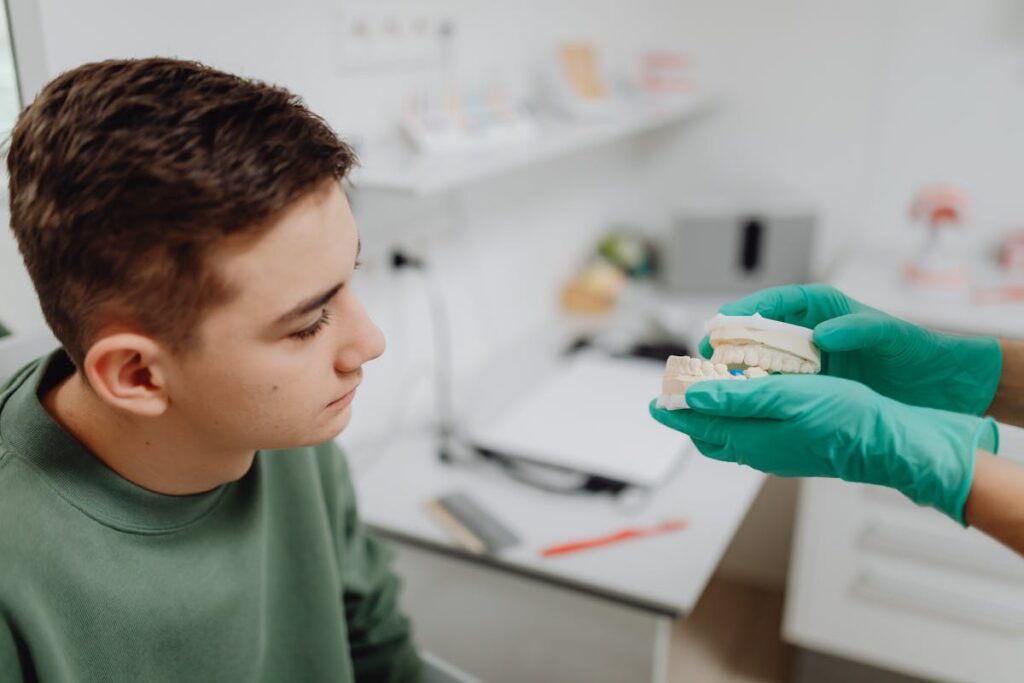
Oral health deterioration follows predictable patterns that dental professionals recognize as indicators for prosthetic intervention. When multiple teeth exhibit irreversible damage from caries or periodontal disease, extraction and replacement become necessary clinical decisions. Patients experiencing chronic pain, masticatory dysfunction, or recurrent dental emergencies face a critical juncture in their treatment planning. Understanding these warning signs determines whether conservative restoration remains viable or if complete denture therapy represents the ideal therapeutic approach.
Severe Tooth Decay Affecting Multiple Teeth
When dental caries progresses beyond the enamel and dentin layers to compromise the structural integrity of multiple teeth simultaneously, the cumulative damage often exceeds the restorative capacity of conventional treatments such as fillings, crowns, or root canal therapy. Advanced decay affecting numerous teeth presents complex clinical challenges. Multiple dental fillings required across several quadrants indicate systemic oral health deterioration. Extensive tooth restoration needs become economically and structurally unfeasible when decay infiltrates the pulp chamber, causing irreversible pulpitis or periapical pathology.
Patients exhibiting widespread carious lesions typically demonstrate compromised masticatory function, chronic infection risk, and diminished quality of life. The presence of non-restorable teeth, recurrent decay beneath existing restorations, and insufficient tooth structure for crown retention collectively signal the necessity for thorough prosthodontic intervention through complete or partial denture fabrication.
Advanced Gum Disease That Won’t Improve
Advanced periodontal disease presents with specific clinical indicators that signal irreversible damage to the supporting structures of the dentition. Patients experiencing chronic gingival hemorrhage and edema, coupled with increased tooth mobility and malodor resistant to conventional therapies, demonstrate progression toward tooth loss. These pathological changes indicate that the periodontium has sustained damage beyond the threshold for successful regenerative treatment, necessitating extraction and prosthetic replacement.
Bleeding and Swollen Gums
Persistent bleeding and swollen gums frequently indicate advanced periodontal disease, a progressive infection of the tissues supporting the teeth. The inflammatory response causes gingival tissues to become hyperemic and friable, resulting in spontaneous hemorrhaging during routine activities. Patients experience heightened sensitivity to food temperatures and textures, particularly acidic or spicy substances that exacerbate tissue irritation.
The edematous gingiva creates deep periodontal pockets harboring pathogenic bacteria, making difficulty maintaining oral hygiene inevitable. Standard brushing and flossing become ineffective at removing bacterial biofilm from these inaccessible areas. As the condition progresses, the supporting alveolar bone undergoes irreversible resorption, compromising tooth stability.
When conservative periodontal therapy fails to arrest disease progression, extraction and subsequent denture placement may become the only viable treatment option to restore function and eliminate chronic infection.
Loose or Shifting Teeth
As periodontal disease advances beyond the inflammatory stage, the destruction of periodontal ligament fibers and alveolar bone creates pathological tooth mobility. This irreversible process compromises the structural integrity of the dentition, manifesting as teeth that shift position or feel loose when touched. The mobility grades progressively from slight movement detectable only by clinical examination to severe displacement visible during normal function.
Secondary factors exacerbate this deterioration. Chronic tooth grinding generates excessive occlusal forces that accelerate periodontal breakdown in already compromised tissues. Jaw misalignment creates uneven force distribution, concentrating destructive pressures on specific teeth and hastening their loosening. When multiple teeth exhibit Grade II or III mobility despite therapeutic intervention, extraction and denture placement become necessary to restore oral function and prevent systemic complications from chronic infection.
Persistent Bad Breath
Halitosis resistant to conventional oral hygiene measures often indicates irreversible periodontal destruction requiring definitive treatment. Advanced periodontitis creates deep bacterial pockets harboring anaerobic pathogens that produce volatile sulfur compounds, generating persistent malodor unresponsive to brushing, flossing, or antimicrobial rinses.
Chronic infection destroys supporting alveolar bone and periodontal ligaments, creating necrotic tissue reservoirs that perpetuate bacterial colonization. Contributing factors include xerostomia from systemic medications, which reduces salivary antimicrobial proteins and mechanical cleansing. Dry mouth conditions accelerate bacterial proliferation and biofilm formation. Habitual mouth breathing further desiccates oral tissues, compromising epithelial barrier function and promoting pathogenic overgrowth.
When periodontal therapy, including scaling, root planing, and surgical intervention, fails to eliminate halitosis, extraction becomes necessary. Denture placement removes infected dentition and eliminates bacterial niches, restoring oral homeostasis and resolving refractory breath odor.
Chronic Tooth Pain and Sensitivity
Chronic dental pain and hypersensitivity often indicate irreversible pulpal damage or extensive structural compromise that may necessitate tooth extraction and prosthetic replacement. Patients experiencing persistent throbbing discomfort, sharp responses to thermal stimuli, or significant pain during mastication typically present with advanced carious lesions or fractures extending into the dentin-pulp complex. These symptoms, when unresponsive to conservative endodontic or restorative interventions, suggest the affected dentition may require removal and subsequent denture fabrication.
Persistent Aching Sensations
Numerous individuals experiencing persistent dental pain fail to recognize this symptom as a potential indicator for denture consideration. Chronic aching sensations typically manifest as continuous, dull pain affecting multiple teeth simultaneously, often indicating advanced periodontal disease or extensive decay beneath existing restorations. These symptoms frequently present with increased jaw pressure during mastication and radiating jaw discomfort extending to surrounding facial structures.
Persistent aching differs from acute dental pain through its unrelenting nature and resistance to conventional analgesics. Clinical examination often reveals compromised tooth structure, significant bone loss, or failing root canal treatments. When multiple teeth exhibit concurrent aching sensations lasting beyond three weeks, thorough prosthodontic evaluation becomes essential. Patients presenting with bilateral dental pain, nocturnal discomfort, and temperature sensitivity across multiple quadrants demonstrate clinical patterns consistent with systemic dental failure requiring denture intervention.
Temperature Sensitivity Issues
When dental structures exhibit heightened reactivity to thermal stimuli, this pathological response often signals irreversible pulpal damage or extensive enamel erosion requiring thorough prosthodontic assessment. Cold sensitivity manifests as sharp, transient pain upon exposure to refrigerated substances, indicating exposed dentin tubules or compromised pulpal vitality. Conversely, hot sensitivity produces lingering discomfort that persists after thermal stimulus removal, suggesting advanced pulpitis or periapical pathology.
Patients experiencing bilateral temperature sensitivity across multiple quadrants demonstrate systemic dental deterioration incompatible with conservative restorative approaches. The progression from mild thermal discomfort to severe, spontaneous pain indicates advancing pulpal necrosis. Radiographic evaluation typically reveals extensive carious lesions, recurrent decay beneath existing restorations, or periodontal bone loss compromising tooth stability. Such widespread thermal hypersensitivity necessitates all-encompassing treatment planning, potentially including full-mouth extractions and complete denture fabrication.
Pain During Chewing
Beyond thermal sensitivity, masticatory dysfunction represents a critical indicator of advanced dental pathology requiring prosthodontic intervention. Persistent discomfort during mastication often signals irreversible pulpitis, periapical abscesses, or severe periodontal disease compromising tooth stability. Patients experiencing difficulty opening mouth movements may indicate temporomandibular joint involvement secondary to compensatory chewing patterns developed to avoid painful dentition.
Clinical manifestations include sharp, localized pain upon occlusal pressure, dull aching in multiple quadrants, and referred pain to adjacent structures. Advanced cases present with trismus, limiting mandibular range of motion. Diagnostic evaluation reveals extensive carious lesions, fractured restorations, or mobile teeth with grade II-III mobility. When multiple teeth exhibit masticatory pain unresponsive to conservative treatment, thorough extraction followed by complete or partial denture fabrication becomes the ideal therapeutic approach to restore functional occlusion.
Missing Several Teeth Already
Multiple missing teeth represent a clear clinical indicator for denture consideration, particularly when the gaps compromise masticatory function or create significant occlusal instability. Patients experiencing progressive tooth loss concerns often exhibit deteriorating periodontal support structures and compromised adjacent dentition. The cascade effect of untreated edentulous spaces accelerates bone resorption and alters facial vertical dimension.
When teeth falling out becomes a recurring pattern, remaining dentition bears excessive occlusal forces, precipitating further breakdown. Clinical evaluation reveals migration of adjacent teeth, super-eruption of opposing dentition, and temporomandibular dysfunction. The threshold for denture intervention typically occurs when multiple posterior teeth are absent bilaterally, anterior aesthetics are compromised, or prosthetic rehabilitation with fixed alternatives proves financially prohibitive. Partial dentures may serve as intermediary appliances before complete denture therapy becomes necessary.
Difficulty Chewing and Eating Normally
Progressive masticatory dysfunction manifests through compensatory eating behaviors, including food avoidance, prolonged meal duration, and unilateral chewing patterns that signal compromised dentition requiring prosthetic intervention. Patients experiencing inability to consume solid foods demonstrate measurable biomechanical deficiencies in occlusal force distribution and mandibular movement coordination.
Clinical indicators include dietary modification toward softer textures, increased bolus formation time, and recurring discomfort while eating that intensifies with harder food consistencies. These adaptations often correlate with periodontal disease progression, extensive caries, or traumatic tooth loss affecting functional occlusal units.
Quantitative bite force measurements typically reveal values below 150 Newtons in affected individuals, compared to 500-700 Newtons in healthy dentition. Such functional impairment necessitates thorough prosthodontic evaluation to restore masticatory efficiency through appropriate denture fabrication.
Frequent Dental Emergencies and Repairs
When dental restorations repeatedly fail despite appropriate clinical interventions, the underlying structural integrity of remaining teeth warrants exhaustive assessment for denture candidacy. Recurrent fractures, dislodged crowns, and failed root canals indicate compromised tooth structure beyond salvageable thresholds. Patients experiencing multiple emergency visits between dental checkups demonstrate deteriorating oral architecture incompatible with conventional restorative protocols.
The financial burden of perpetual repairs often exceeds denture investment costs. Chronic periapical infections, persistent mobility, and repetitive endodontic failures signal irreversible damage. Even with routine cleanings, advanced periodontal disease compromises supporting bone, rendering teeth non-restorable. Clinicians must evaluate cumulative trauma patterns, restoration longevity statistics, and biomechanical stability indices. When emergency interventions become monthly occurrences rather than isolated incidents, shifting to removable prosthetics represents the pragmatic therapeutic pathway.
Loose or Shifting Teeth
As periodontal ligaments deteriorate and alveolar bone resorbs, teeth exhibit pathological mobility exceeding physiological parameters of 0.2mm horizontal movement. Progressive bone loss compromises the foundational support structure, creating pockets where bacterial colonies proliferate unchecked. Patients observe widening interdental spaces and altered occlusal relationships during mastication.
Clinical examination reveals Grade II or III mobility classifications, with teeth demonstrating lateral, vertical, and rotational displacement under minimal force application. Receding gums expose root surfaces, accelerating cementum erosion and heightening sensitivity. Radiographic analysis confirms extensive alveolar destruction exceeding 50% of root length support.
Without immediate periodontal intervention, cascading tooth loss becomes inevitable. Denture therapy presents a definitive solution when multiple teeth demonstrate irreversible mobility patterns, eliminating chronic infection sources while restoring functional occlusion and facial support dimensions.
Self-Consciousness About Your Smile Affecting Daily Life
Beyond the physiological deterioration of dental structures, psychological manifestations of tooth loss profoundly impact social functioning and occupational performance. Individuals experiencing compromised dentition frequently exhibit avoidance behaviors, including limited smiling, covering the mouth during speech, and declining social engagements. These compensatory mechanisms directly correlate with diminished emotional self esteem and restricted interpersonal communication.
Clinical assessment reveals measurable declines in quality-of-life indices when dental aesthetics undermine professional advancement or intimate relationships. Patients report avoiding photographs, public speaking, and dining situations where dental deficiencies become apparent. Such behavioral modifications indicate denture intervention necessity beyond mere functional restoration.
The correlation between dental appearance and psychological well-being necessitates extensive evaluation. When self-consciousness regarding oral presentation interferes with social interactions, employment opportunities, or personal relationships, prosthetic rehabilitation becomes clinically indicated to restore both function and psychosocial equilibrium.
Frequently Asked Questions
How Much Do Dentures Typically Cost With and Without Insurance Coverage?
Average denture pricing ranges from $600-$8,000 per arch without insurance, depending on materials and customization. Insurance coverage limitations typically restrict reimbursement to 50% with annual maximums of $1,000-$2,000, leaving patients responsible for substantial out-of-pocket expenses.
What Is the Timeline From Initial Consultation to Receiving Final Dentures?
The timeline spans 8-12 weeks following initial consultation. Determining candidacy for dentures requires thorough oral examination. Impressions and measurements for denture fabrication occur subsequently, followed by multiple fittings before final prosthetic delivery and adjustments.
Can I Sleep With My Dentures in at Night?
Dental professionals recommend removing dentures nightly to prevent tissue irritation and bacterial accumulation. Proper denture cleaning routine requires overnight soaking in specialized solutions. Denture adjustment tips include gradual wear increases initially, allowing oral tissues adequate rest periods.
How Long Do Dentures Last Before Needing Replacement?
Dentures typically require replacement every 5-7 years due to material degradation and oral tissue changes. Proper denture maintenance extends longevity, while denture repair considerations include relining adjustments every 2-3 years to maintain ideal fit and function.
What Foods Should I Avoid Eating With Dentures?
Denture wearers must avoid tough foods to chew including raw vegetables, hard candies, and nuts. Sticky food avoidance remains critical, particularly caramels, chewing gum, and taffy, which compromise denture stability and retention within the oral cavity.