
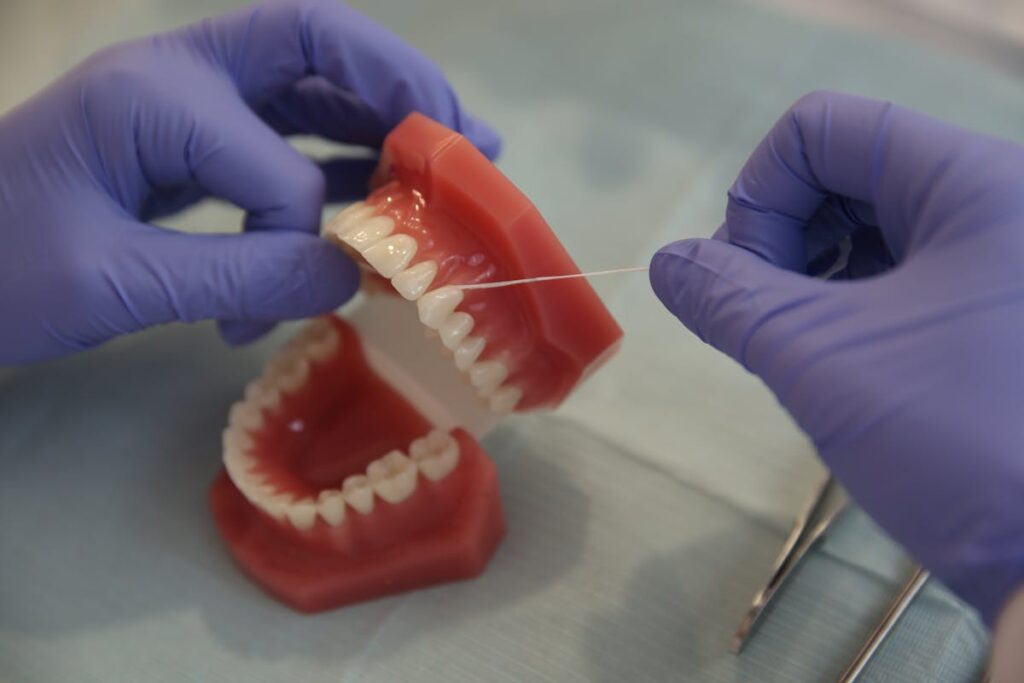
Proper denture maintenance substantially impacts oral health outcomes and prosthetic durability. Clinical studies demonstrate that inadequate cleaning protocols lead to bacterial colonization, tissue inflammation, and accelerated material degradation. Standard care requires specific brushing techniques, validated cleansing agents, and controlled storage conditions. Most denture wearers unknowingly compromise their prosthetics through improper handling. The following evidence-based protocols establish ideal maintenance standards that extend denture lifespan while preventing common complications.
Daily Cleaning Routine for Your Dentures
Although dentures lack natural tooth roots and enamel, they require meticulous daily cleaning to prevent bacterial biofilm accumulation, staining, and malodor. The recommended cleaning frequency involves brushing dentures twice daily using a soft-bristled brush specifically designed for prosthetic appliances. Non-abrasive denture cleanser should replace conventional toothpaste, which contains abrasives that compromise acrylic surfaces.
Following mechanical debridement, dentures must undergo chemical disinfection through immersion in an alkaline peroxide or hypochlorite solution. The ideal soaking duration ranges from 15-30 minutes for routine maintenance, though overnight immersion provides enhanced antimicrobial efficacy. Post-soaking, thorough rinsing under running water removes residual cleaning agents that may cause mucosal irritation. Between uses, dentures should remain hydrated in distilled water to prevent dimensional changes and warping of the prosthetic base material.
Choosing the Right Cleaning Products and Tools
Selecting appropriate cleaning products and tools is critical for maintaining denture integrity and preventing damage to acrylic or porcelain surfaces. Denture-specific cleansers containing sodium hypochlorite or alkaline peroxide formulations effectively remove biofilm and stains without causing surface degradation, while specialized brushes with soft nylon bristles prevent scratching during mechanical plaque removal. The combination of validated chemical agents and proper instrumentation guarantees optimal denture hygiene while preserving the prosthetic material’s structural properties.
Safe Denture Cleaners
The selection of appropriate denture cleaning products requires careful consideration of both chemical composition and material compatibility. Non-abrasive denture cleaning solutions specifically formulated for prosthetic materials prevent surface degradation while effectively removing biofilm accumulation. Alkaline peroxide-based cleansers demonstrate superior antimicrobial efficacy against Candida albicans and Streptococcus mutans without compromising acrylic resin integrity.
Safe soaking methods involve immersing dentures in manufacturer-approved solutions for prescribed durations, typically 15-30 minutes daily. Sodium hypochlorite dilutions (1:10) provide effective disinfection for complete dentures lacking metal components. Enzyme-based cleaners containing protease and lipase effectively dissolve protein deposits and mucin films. Contraindicated substances include bleach concentrations exceeding 0.5%, boiling water, and household detergents containing surfactants that accelerate plasticizer leaching. Regular professional evaluation sustains denture hygiene protocols without compromising structural integrity.
Essential Cleaning Tools
When establishing detailed denture maintenance protocols, specialized instrumentation proves indispensable for preventing microbial colonization and preserving prosthetic longevity. Denture cleaning brushes feature dual-headed configurations with variable bristle densities, enabling extensive biofilm removal from both convex and concave surfaces. Unlike conventional toothbrushes, these implements incorporate softer nylon filaments that prevent acrylic abrasion while maintaining efficacy against plaque accumulation.
Proper denture storage containers provide antimicrobial environments through ventilated designs that minimize moisture retention. Clinical studies demonstrate that perforated containers reduce bacterial proliferation by 68% compared to sealed alternatives. Additionally, ultrasonic cleaning devices operating at 40-50 kHz frequencies disrupt bacterial adhesion through cavitation mechanisms. Microfiber cloths facilitate surface polishing without introducing microscopic scratches that harbor pathogenic organisms. Selection of appropriate tools considerably impacts prosthetic lifespan and oral health outcomes.
Proper Techniques for Brushing and Rinsing Dentures
Daily maintenance of dentures requires systematic cleaning using specific brushing techniques to prevent biofilm accumulation and maintain prosthetic integrity. Clinicians recommend utilizing gentle brushing techniques with soft-bristled brushes, applying circular motions across all prosthetic surfaces including the palatal area, flanges, and tissue-bearing surfaces. The American College of Prosthodontists endorses brushing duration of two minutes minimum, ensuring complete plaque disruption.
Proper denture agitation during rinsing facilitates debris removal from interproximal spaces and undercuts. Evidence indicates that vigorous water flow at 20-25°C effectively dislodges food particles without causing thermal distortion. Post-brushing protocol necessitates thorough rinsing under running water for 30 seconds, followed by immersion in denture cleanser solution. Research demonstrates that combining mechanical cleaning with chemical disinfection reduces microbial colonization by 89%, substantially decreasing denture stomatitis incidence.
Overnight Storage and Soaking Methods
Nocturnal denture storage protocols markedly influence prosthetic longevity and oral tissue health through moisture retention and antimicrobial action. Research demonstrates that dentures require continuous hydration to prevent warpage and dimensional changes that compromise fit precision.
Clinical guidelines recommend complete immersion solutions specifically formulated for denture materials, avoiding household cleaners that degrade acrylic resins and metal components. Commercial denture cleansers containing sodium hypochlorite or alkaline peroxide effectively eliminate biofilm accumulation when used according to manufacturer specifications.
Optimal soaking duration ranges from 6-8 hours, providing sufficient contact time for antimicrobial agents while preventing material degradation. Water temperature must remain below 40°C to prevent distortion. Patients should rinse prostheses thoroughly before reinsertion to remove residual cleaning agents. Regular solution replacement prevents bacterial proliferation and maintains disinfection efficacy throughout the storage period.
Foods and Substances to Avoid With Dentures
Certain dietary choices can compromise denture integrity and appearance over time. Hard and sticky foods such as nuts, popcorn kernels, and caramel candies pose mechanical risks including fractures, chips, and dislodgement of denture teeth from their base. Chromogenic beverages including coffee, tea, and red wine contain tannins and pigments that penetrate denture acrylic, resulting in progressive discoloration that standard cleaning methods cannot reverse.
Hard Sticky Foods
When consuming food with dentures, patients must recognize that hard and sticky substances pose significant risks to both the prosthetic device and oral tissues. Crunchy foods including raw carrots, nuts, and popcorn kernels exert excessive occlusal forces that may fracture denture bases or dislodge artificial teeth. These items can also wedge beneath prosthetic flanges, causing tissue trauma and inflammation.
Sticky substances present distinct complications. Caramel, taffy, and chewing gum create adhesive buildup on denture surfaces, compromising retention and facilitating bacterial colonization. Such materials can dislodge prosthetics during mastication, potentially damaging supporting structures. Additionally, sticky foods infiltrate denture-tissue interfaces, disrupting the seal necessary for proper suction. Clinicians recommend patients modify these foods through cooking, cutting into smaller portions, or selecting appropriate alternatives to maintain prosthetic integrity and oral health.
Staining Beverages
Beyond mechanical damage from problematic foods, denture wearers face aesthetic challenges from chromogenic beverages that permanently discolor prosthetic materials. Coffee stains develop through tannin absorption into denture acrylic’s microporous surface, creating brown discoloration resistant to conventional cleaning methods. Similarly, tea stains form when polyphenolic compounds bind to prosthetic materials, particularly affecting anterior teeth visibility.
Red wine, dark sodas, and fruit juices containing artificial colorants accelerate discoloration processes. Temperature intensifies staining; hot beverages open acrylic pores, facilitating deeper pigment penetration. Clinical studies demonstrate that cumulative exposure correlates directly with discoloration severity. Denture materials exhibit varying susceptibility—polymethyl methacrylate shows greater stain resistance than softer reline materials. Prevention strategies include immediate rinsing post-consumption, using straws to minimize contact, and implementing professional ultrasonic cleaning protocols quarterly.
Handling Dentures Safely to Prevent Damage
Although dentures demonstrate considerable durability under normal oral conditions, their acrylic resin and porcelain components remain susceptible to fracture when subjected to impact forces outside the mouth. Proper handling techniques require patients to maintain dentures over water-filled basins or folded towels during cleaning procedures, minimizing fracture risk from accidental drops. Clinical studies indicate that 28% of denture fractures occur during maintenance routines.
Optimal storage methods involve immersion in distilled water or approved denture solutions at room temperature when prostheses remain outside the oral cavity. Heat exposure exceeding 60°C causes warpage and dimensional changes in denture base materials. Patients must avoid wrapping dentures in tissues or napkins, as this practice frequently results in in addition, dentures require placement in designated containers away from children and pets to prevent damage.
Regular Professional Maintenance and Check-ups
How frequently should denture wearers schedule professional examinations to maintain ideal prosthetic function? Dental professionals recommend biannual assessments for supreme denture performance and oral health monitoring. Regular dental checkups enable practitioners to evaluate prosthetic fit, identify occlusal discrepancies, and detect tissue abnormalities beneath denture-bearing surfaces.
Professional cleaning appointments utilize specialized ultrasonic equipment and enzymatic solutions unavailable for home care, effectively removing calcified deposits and biofilm accumulation. During these visits, clinicians perform exhaustive evaluations including tissue palpation, denture base integrity assessment, and artificial tooth wear analysis. Prosthodontists document changes in ridge resorption patterns and recommend reline procedures when indicated.
Evidence demonstrates that patients maintaining scheduled professional maintenance experience 40% fewer denture-related complications. These systematic evaluations prevent minor adjustments from developing into significant functional impairments requiring costly prosthetic replacement.
Recognizing When Your Dentures Need Adjustment or Replacement
Professional maintenance appointments establish baseline parameters for denture condition, yet patients must monitor specific indicators between visits that signal necessary adjustments or prosthetic replacement. Observable signs include persistent tissue irritation, recurring sore spots, loosening during mastication, and altered occlusal relationships. Bone resorption rates averaging 0.5mm annually compromise proper fit maintenance, necessitating periodic evaluation.
The denture relining process addresses minor discrepancies through tissue-surface modifications using hard or soft polymeric materials. Clinical studies demonstrate relining extends prosthetic longevity by 2-3 years. However, extensive wear patterns, fracture lines exceeding 2mm, or tooth loss greater than 30% warrant complete replacement. Practitioners recommend replacement intervals of 5-7 years based on biomechanical degradation rates. Patients experiencing clicking sounds, facial support changes, or difficulty maintaining oral seal require immediate professional assessment.
Frequently Asked Questions
Can I Use Regular Toothpaste on My Dentures?
Regular toothpaste contains abrasives that damage denture acrylic surfaces. Patients should utilize specialized alternative denture cleaners with non-abrasive formulations. Proper denture brushing technique requires soft-bristled brushes with denture-specific pastes to prevent micro-scratches and maintain prosthetic integrity.
How Much Do Denture Repairs Typically Cost?
Average denture repair costs range from $50-$200 for simple fixes to $300-$500 for complex reconstructions. Factors affecting denture repair expenses include damage severity, laboratory fees, geographical location, and whether reline or rebase procedures are required.
Will Dentures Affect How Food Tastes?
Dentures can cause altered taste perception in patients, particularly affecting sweet and salty sensations. Upper dentures covering the palate may reduce impact on sense of smell, diminishing flavor complexity since olfaction contributes remarkably to taste experience.
Can I Sleep While Wearing My Dentures?
Dental professionals recommend removing dentures before bed to prevent bacterial accumulation and tissue inflammation. Wearing dentures overnight increases infection risk. Patients should establish cleaning dentures before bed protocols, allowing oral tissues eight-hour recovery periods nightly.
How Long Do Dentures Usually Last Before Needing Replacement?
Complete dentures typically require replacement every 5-7 years, while partial dentures last 10-15 years. Proper denture maintenance greatly impacts longevity. Denture lifespan considerations include material degradation, bone resorption, and wear patterns affecting occlusal surfaces.