
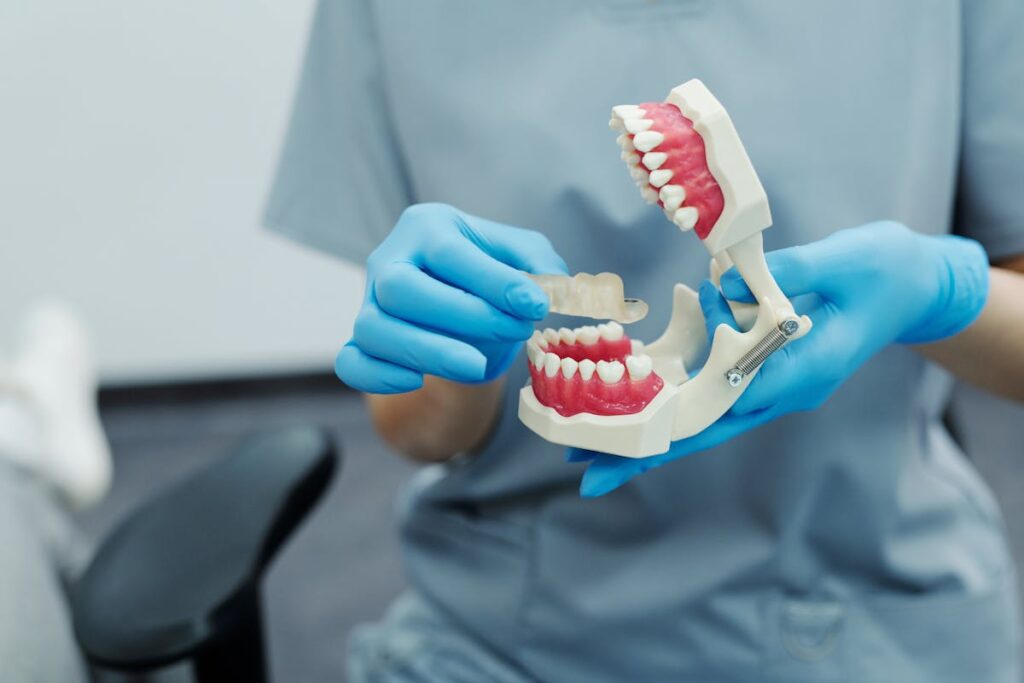
Modern prosthetic dentistry combines advanced biomechanics with aesthetic precision to address tooth loss complications. Patients experiencing compromised mastication, altered speech patterns, or diminished self-confidence face complex rehabilitation challenges. Digital fabrication technologies and biocompatible materials now enable customized solutions that replicate natural dentition. The selection process requires careful evaluation of individual anatomical factors, functional requirements, and long-term prognosis. Understanding available options becomes essential for informed treatment decisions.
Understanding the Different Types of Dental Prosthetics Available Today
When patients experience tooth loss due to decay, trauma, or periodontal disease, modern prosthetic dentistry offers multiple restoration options designed to restore both function and aesthetics. Fixed prosthetics include crowns, bridges, and dental implants, each providing permanent solutions for varying degrees of tooth loss. Removable options encompass partial and complete dentures, offering flexibility for extensive tooth replacement needs.
Implant selection factors include bone density, gingival health, patient age, and systemic conditions affecting osseointegration. Clinicians evaluate anatomical limitations, occlusal forces, and long-term prognosis when determining candidacy. For removable prosthetics, denture comfort considerations involve proper tissue adaptation, balanced occlusion, and ideal retention mechanisms. Material selection impacts biocompatibility, durability, and aesthetic outcomes. Each prosthetic type requires specific maintenance protocols and presents distinct advantages regarding masticatory efficiency, phonetics, and facial support restoration.
The Science Behind Modern Prosthetic Materials and Technology
As dental prosthetics evolve through advances in biomaterial science and digital fabrication methods, contemporary materials demonstrate superior mechanical properties, biocompatibility, and aesthetic characteristics compared to traditional alternatives. Current advancements in biomaterials include zirconia ceramics with flexural strengths exceeding 1,200 MPa, lithium disilicate glass-ceramics offering ideal translucency, and polymer-infiltrated ceramic networks combining durability with reduced wear on opposing dentition.
Evolving fabrication techniques revolutionize prosthetic production through computer-aided design and manufacturing systems. Digital impression scanning eliminates conventional mold distortion while ensuring micron-level accuracy. Three-dimensional printing enables rapid prototyping of surgical guides and temporary restorations. Milling technologies produce monolithic crowns from single material blocks, reducing fabrication time from weeks to hours. These technological improvements directly benefit patients through enhanced comfort, reduced chair time, and prosthetics that more closely replicate natural tooth structure and function.
Restoring Your Ability to Eat and Speak Naturally
The advanced materials and manufacturing techniques in modern prosthetic dentistry directly translate to functional restoration of mastication and phonetics. Contemporary prosthetic solutions address biomechanical requirements for effective food processing, distributing occlusal forces evenly across dental arches while maintaining proper vertical dimension.
Overcoming chewing difficulties requires precise occlusal adjustment and strategic tooth positioning. Digital bite analysis guarantees ideal contact points, enabling patients to process diverse food textures efficiently. Implant-supported prosthetics provide proprioceptive feedback similar to natural dentition, improving masticatory muscle coordination.
Enhancing speech patterns involves meticulous attention to palatal contours and incisal positioning. Prosthetic designs accommodate tongue movement patterns essential for articulation. Anterior tooth placement critically affects production of fricative and sibilant sounds. Clinical assessment protocols evaluate phonetic adaptation periods, with most patients achieving normal speech within two weeks post-delivery.
Achieving a Natural-Looking Smile Through Custom Design
Modern prosthetic dentistry employs sophisticated color matching techniques that analyze the patient’s existing teeth across multiple shade dimensions, including hue, value, and chroma, to create restorations that blend seamlessly with natural dentition. Personalized tooth shaping involves precise contouring of prosthetic surfaces to replicate individual anatomical characteristics such as incisal translucency, surface texture, and developmental grooves specific to each patient’s dental architecture. These customization protocols guarantee that prosthetic restorations not only restore function but also maintain the aesthetic integrity of the patient’s smile.
Color Matching Techniques
Accurate color matching remains one of the most challenging aspects of prosthetic dentistry, requiring both scientific understanding and artistic skill to replicate the complex optical properties of natural teeth. Modern dental laboratories employ spectrophotometers and digital shade-mapping systems to analyze tooth color objectively, measuring parameters including value, chroma, and translucency.
Technicians utilize tint blending techniques to reproduce subtle color variations within individual teeth, layering different ceramic materials to mimic natural enamel and dentin. Guaranteeing prosthetic restorations complement adjacent teeth while accounting for variations in lighting conditions. Cross-polarized photography assists in identifying characterizations such as white spots, craze lines, and developmental grooves.
Clinicians must consider factors affecting perception, including metamerism, wherein restorations appear different under various light sources. Custom shade tabs created specifically for each patient provide superior matching compared to standardized shade guides.
Personalized Tooth Shaping
Beyond achieving ideal color harmony, personalized tooth shaping represents another fundamental component in creating prosthetic restorations that seamlessly integrate with existing dentition. Modern tooth reshaping techniques employ digital scanning and CAD/CAM technology to capture precise anatomical contours of adjacent teeth, guaranteeing dimensional accuracy within 0.1 millimeters. Personalized shape considerations include analyzing the patient’s facial symmetry, lip dynamics, and occlusal patterns to determine ideal crown morphology.
Prosthodontists evaluate individual tooth characteristics such as incisal edge positioning, surface texture variations, and developmental grooves that distinguish each patient’s unique dental architecture. These customizations extend to creating age-appropriate wear patterns and incorporating subtle asymmetries that mirror natural teeth. The integration of patient-specific anatomical data with biomechanical principles ensures prosthetic restorations achieve both functional stability and aesthetic authenticity.
The Step-by-Step Process of Getting Dental Prosthetics
The dental prosthetic process begins with a thorough initial consultation assessment where the prosthodontist evaluates oral health status, captures diagnostic impressions, and develops a customized treatment plan based on the patient’s specific anatomical and functional requirements. The prosthetic fabrication timeline typically spans several weeks to months depending on the complexity of the restoration, involving multiple appointments for tooth preparation, impression taking, shade selection, and sequential fittings. Each phase requires meticulous coordination between the clinical team and dental laboratory to guarantee ideal fit, function, and aesthetics of the final prosthesis.
Initial Consultation Assessment
When patients seek prosthetic dental treatment, their journey begins with an extensive initial consultation that establishes the foundation for all subsequent care. During this critical appointment, practitioners conduct a detailed dental history review, documenting previous treatments, existing conditions, and relevant medical factors that may influence prosthetic options. The dentist performs thorough oral examinations, including radiographic imaging and intraoral photography to assess bone density, soft tissue health, and remaining tooth structure.
Patient concerns addressed during consultation include functional requirements, aesthetic expectations, and financial considerations. Practitioners evaluate bite patterns, jaw relationships, and facial symmetry while discussing treatment alternatives. This assessment phase determines prosthetic suitability, whether removable dentures, fixed bridges, or implant-supported restorations best serve individual needs. Detailed treatment planning emerges from these findings, establishing realistic timelines and procedural sequences.
Prosthetic Fabrication Timeline
Following thorough assessment and treatment planning, prosthetic fabrication proceeds through distinct clinical phases that span several weeks to months depending on case complexity. Initial impressions capture precise oral anatomy, enabling laboratory technicians to create working models. Prosthetic design stages include bite registration, shade selection, and framework try-in appointments to verify proper fit and aesthetics.
Complex case planning may require additional preparatory procedures such as tooth extractions, bone grafting, or implant placement, extending overall treatment duration. Temporary prosthetics often serve patients during healing periods. Final prosthetic manufacturing involves meticulous laboratory processes including casting, porcelain layering, or milling procedures. Multiple adjustment appointments guarantee an ideal occlusion and patient comfort. Complete dentures typically require 4-6 visits over 3-5 weeks, while implant-supported restorations may extend 3-6 months accounting for osseointegration.
Maintaining and Caring for Your Dental Prosthetics
Most dental prosthetics require consistent daily maintenance to preserve their structural integrity and prevent complications that could compromise oral health. Removable dentures necessitate specific cleaning protocols involving non-abrasive cleansers and soft-bristled brushes to eliminate bacterial biofilm without damaging acrylic surfaces. Fixed prosthetics demand meticulous interproximal cleaning using specialized floss threaders or water irrigation systems.
Storage recommendations for removable appliances include immersion in antimicrobial solutions overnight, maintaining moisture to prevent warping. Patients should schedule biannual professional examinations to assess prosthetic fit, occlusion, and supporting tissue health. Early detection of wear patterns, fractures, or tissue changes enables timely interventions. Proper maintenance extends prosthetic longevity from five to fifteen years, depending on material composition and patient compliance with prescribed care regimens.
Comparing Costs and Long-Term Value of Prosthetic Options
Several financial factors influence prosthetic selection decisions, requiring patients to evaluate immediate expenses against projected lifetime costs and functional benefits. When comparing prosthetic pricing, dentures typically present the lowest initial investment at $1,000-$3,000 per arch, while dental implants range from $3,000-$6,000 per tooth. Fixed bridges fall between these extremes at $2,000-$5,000 per unit.
Long term prosthetic durability considerably impacts overall value calculations. Implants demonstrate 95% survival rates beyond twenty years with minimal maintenance costs. Traditional dentures require replacement every five to eight years, necessitating recurring expenses. Bridges average fifteen-year lifespans before replacement becomes necessary. Material selection affects both durability and cost—zirconia and porcelain command premium prices but offer superior longevity compared to acrylic alternatives. Insurance coverage variations and financing options further complicate cost-benefit analyses for patients.
Signs You May Be a Good Candidate for Prosthetic Dentistry
Beyond financial considerations, specific clinical indicators help determine prosthetic treatment suitability for individual patients. Missing teeth symptoms extend beyond visible gaps, encompassing shifting adjacent teeth, altered bite patterns, and compromised facial support structures. Patients experiencing inadequate dental function manifest difficulties with mastication, speech impediments, and temporomandibular joint disorders.
Clinical evaluation identifies candidates through systematic assessment of remaining dentition stability, periodontal health status, and bone density measurements. Ideal candidates demonstrate sufficient alveolar ridge dimensions, controlled systemic conditions, and realistic treatment expectations. Contraindications include active periodontal disease, uncontrolled diabetes, and inadequate oral hygiene compliance.
Diagnostic criteria encompass functional deficits affecting nutrition intake, psychological impact from aesthetic concerns, and occupational requirements demanding suitable oral presentation. Comprehensive examination protocols determine whether fixed, removable, or implant-supported prostheses align with individual anatomical constraints and therapeutic objectives.
Frequently Asked Questions
How Long Does the Entire Prosthetic Dentistry Treatment Process Typically Take?
The prosthetic dentistry treatment timeline typically spans 4-8 weeks for conventional cases. Patients undergo initial dental impressions, followed by fabrication phases and adjustment appointments. Complex rehabilitations requiring implants or extensive preparations may extend to several months.
Will My Dental Insurance Cover Prosthetic Treatments?
Dental insurance coverage for prosthetic treatments varies markedly among policies. Most dental plan limitations include annual maximums and percentage-based reimbursements. Patients should review their specific benefits, as prosthetic cost considerations often require considerable out-of-pocket expenses.
Can I Get Prosthetics if I Have Gum Disease?
Patients with gum disease require periodontal treatment before prosthetic placement. Underlying oral conditions must achieve stability first. Gum health considerations determine prosthetic success rates. Dentists evaluate tissue inflammation, bone density, and infection control before proceeding with restorations.
How Often Will I Need to Replace My Dental Prosthetics?
Dental prosthetics typically require replacement every 5-15 years, depending on material durability and proper maintenance schedule. Dentures need replacement sooner than implant-supported prosthetics. Regular professional evaluations guarantee ideal function and determine individual replacement timing requirements.
Is the Procedure for Getting Dental Prosthetics Painful?
Modern prosthetic procedures typically involve minimal discomfort. Dentists utilize various anesthesia options including local numbing agents and sedation. Patients may experience mild post-procedure discomfort manageable with prescribed medications, though most report surprisingly comfortable experiences throughout treatment.