
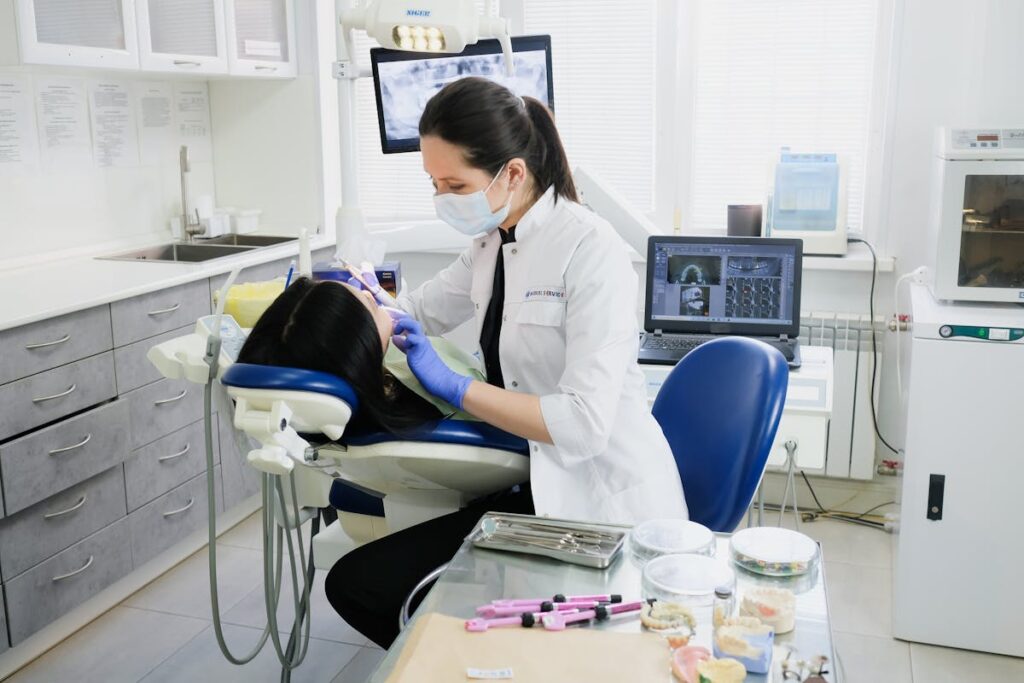
Professional fluoride treatments represent a cornerstone of modern preventive dentistry. Clinical evidence demonstrates that concentrated fluoride applications reduce caries incidence by 20-40% in both pediatric and adult populations. These treatments create fluorapatite crystals within tooth enamel, providing superior acid resistance compared to standard fluoridated products. The mechanisms behind this protection extend beyond simple remineralization, involving complex interactions with oral bacteria and salivary proteins that fundamentally alter the caries development process.
What Are Professional Fluoride Treatments and How Do They Work?
Professional fluoride treatments are concentrated topical applications of fluoride compounds administered by dental professionals to strengthen tooth enamel and prevent dental caries. These treatments contain considerably higher fluoride concentrations (12,300-22,500 ppm) compared to over-the-counter products (1,000-1,500 ppm).
The mechanism involves fluoride ions penetrating enamel micropores, where they react with hydroxyapatite to form fluorapatite, a more acid-resistant crystalline structure. The fluoride absorption rate depends on contact time, pH level, and enamel porosity. Varnishes demonstrate superior absorption due to prolonged adherence.
Standard fluoride application frequency ranges from biannual treatments for low-risk patients to quarterly applications for high-caries-risk individuals. Clinical evidence demonstrates 43% caries reduction in permanent teeth and 37% in primary dentition with regular professional fluoride therapy, establishing its efficacy as a preventive intervention.
The Science Behind Fluoride’s Protective Effects on Teeth
Dental enamel undergoes constant demineralization and remineralization cycles influenced by oral pH fluctuations and bacterial acid production. When pH drops below 5.5, hydroxyapatite crystals dissolve, initiating enamel demineralization. Fluoride absorption occurs through topical contact, where fluoride ions integrate into tooth structure, forming fluorapatite crystals with enhanced acid resistance.
Fluoride operates through multiple mechanisms. Systemically incorporated fluoride strengthens developing teeth, while topical applications provide surface-level protection. During remineralization, fluoride accelerates mineral deposition and creates a more stable crystalline structure. The resulting fluorapatite exhibits lower solubility than hydroxyapatite, requiring pH levels below 4.5 for dissolution.
Research demonstrates fluoride’s bacteriostatic properties, inhibiting enolase enzyme activity in cariogenic bacteria and reducing lactic acid production. This dual action—strengthening enamel while suppressing bacterial metabolism—establishes fluoride’s efficacy in caries prevention.
Types of Fluoride Treatments Available at Your Dentist’s Office
Dental professionals administer three primary forms of topical fluoride treatments to prevent caries and strengthen tooth enamel. Professional gel applications deliver 12,300 ppm fluoride through custom-fitted trays for four-minute contact periods, while fluoride varnish containing 22,600 ppm sodium fluoride adheres directly to tooth surfaces for extended release over several hours. Foam tray treatments provide 12,300 ppm acidulated phosphate fluoride in a lightweight vehicle that minimizes ingestion risk during the one-to-four minute application protocol.
Professional Gel Applications
When patients require concentrated fluoride therapy beyond routine home care, dental professionals often utilize gel formulations containing either acidulated phosphate fluoride (APF) at 1.23% concentration or neutral sodium fluoride at 2% concentration. These professional-grade applications deliver 9,000-12,300 ppm fluoride directly to tooth surfaces through custom-fitted trays worn for four minutes. The gel’s viscous consistency guarantees ideal contact time, maximizing fluoride penetration into enamel micropores where remineralization occurs.
Clinical studies demonstrate this cost effective application reduces caries incidence by 28% in permanent dentition. Dental practitioners typically recommend biannual treatments for moderate-risk patients and quarterly applications for high-risk individuals. The thixotropic properties prevent excessive flow, minimizing systemic absorption while maintaining therapeutic efficacy. Post-treatment protocols require patients avoid eating or drinking for thirty minutes to enhance fluoride uptake.
Fluoride Varnish Options
Professional varnish formulations represent another concentrated fluoride delivery system, offering distinct advantages over gel applications through extended contact time and superior adherence properties. These resin-based or synthetic polymer vehicles contain 22,600 ppm sodium fluoride, providing sustained fluoride release over 24-48 hours. Fluoride application techniques involve direct brush application to dried tooth surfaces, requiring minimal isolation compared to gel protocols.
The fluoride treatment duration extends beyond the clinical appointment, as varnish remains active for several hours post-application. Clinical studies demonstrate 43% caries reduction rates with biannual applications. Varnish tolerates moisture contamination effectively, making it suitable for pediatric and special needs populations. The material sets upon salivary contact, eliminating ingestion risks associated with tray-based systems. Modern formulations incorporate calcium phosphate compounds, enhancing remineralization potential through synergistic mechanisms.
Foam Tray Treatments
Although foam fluoride applications share similar concentrations with traditional gels at 12,300 ppm, their unique aerosol-like consistency reduces material volume by approximately 25% while maintaining equivalent fluoride ion availability. The expanded cellular structure minimizes excessive salivation and gagging reflexes, enhancing foam tray comfort during the standard four-minute application period. Clinical studies demonstrate comparable enamel fluoride uptake between foam and gel formulations, with remineralization rates achieving 38-45% lesion reduction in incipient caries.
Tray application ease represents a significant advantage for practitioners. The lightweight consistency guarantees uniform distribution across occlusal surfaces without overflow concerns. Foam adherence to vertical tooth surfaces surpasses gel preparations by 40%, particularly beneficial for interproximal areas. Pediatric compliance rates increase 22% compared to gel treatments, attributed to reduced volume ingestion risk and improved taste masking properties.
Who Should Consider Getting Regular Fluoride Treatments?
Professional fluoride treatments provide therapeutic benefits beyond routine home care for specific patient populations who demonstrate elevated caries susceptibility or compromised salivary function. Clinical guidelines recommend systematic fluoride application for pediatric and adolescent patients during active tooth development, adults with documented caries history or multiple risk factors, and individuals experiencing xerostomia from medications or medical conditions. These targeted interventions substantially reduce demineralization rates and enhance remineralization processes in patients whose oral environments predispose them to accelerated tooth decay.
Children and Teenagers
Most pediatric dental organizations recommend fluoride treatments for children and teenagers due to their heightened susceptibility to dental caries during developmental years. Primary and permanent teeth undergo critical mineralization phases that benefit from topical fluoride application. Research demonstrates that biannual professional fluoride varnish applications reduce caries incidence by approximately 43% in primary dentition and 37% in permanent teeth.
Current fluoride usage guidelines advocate for risk-based assessment protocols, with high-risk pediatric patients receiving treatments every three months. Standard dental care routines should incorporate supervised brushing with age-appropriate fluoridated dentifrice alongside professional applications. Adolescents experiencing orthodontic treatment require enhanced fluoride supplementation due to increased plaque retention around brackets. Clinical evidence supports initiating treatments at tooth eruption, continuing through age eighteen when enamel maturation completes.
High Cavity Risk Adults
While pediatric populations represent traditional fluoride treatment candidates, adult patients with elevated caries risk profiles demonstrate comparable therapeutic benefits from professional fluoride applications. High risk patients include those with xerostomia, extensive restorative work, orthodontic appliances, or active caries within the previous twelve months. Individuals with compromised salivary function from radiation therapy, medications, or systemic conditions require aggressive preventive protocols incorporating topical fluoride varnishes or gels.
Clinicians should evaluate periodontal recession exposing root surfaces, as cementum exhibits increased susceptibility to demineralization compared to enamel. Fluoride supplements prescribed for home use complement in-office treatments, particularly 5000 ppm dentifrice formulations. Evidence supports quarterly professional applications for patients demonstrating multiple risk factors. Documentation should include specific risk assessment scores, treatment modalities selected, and measurable outcomes tracking caries incidence reduction over defined intervals.
Dry Mouth Sufferers
Xerostomia patients face substantially elevated caries risk due to reduced salivary flow compromising natural remineralization processes and buffering capacity. Professional fluoride applications provide critical mineral replacement that saliva typically delivers, establishing protective calcium fluoride reservoirs on tooth surfaces. Medications, radiation therapy, and systemic conditions contributing to xerostomia necessitate compensatory fluoride protocols.
Treatment approaches combine prescription-strength fluoride products with saliva stimulation techniques including sugar-free gum and cholinergic agents. Oral moisturizing products supplemented with fluoride offer dual therapeutic benefits, addressing symptomatic relief while delivering cariostatic protection. Clinical evidence demonstrates 5,000 ppm fluoride toothpaste reduces caries incidence by 40% in xerostomia populations compared to standard formulations. Quarterly professional varnish applications combined with daily high-concentration home regimens effectively mitigate demineralization risks inherent to salivary dysfunction.
Benefits of Professional Fluoride Applications vs. At-Home Options
Professional fluoride applications deliver concentrations ranging from 12,000 to 22,600 parts per million (ppm), vastly exceeding the 1,000 to 1,500 ppm found in over-the-counter fluoridated toothpastes and rinses. This substantial concentration differential enables rapid remineralization and strengthened tooth enamel formation through accelerated calcium phosphate integration into demineralized lesions.
Clinical studies demonstrate professional varnishes provide 43% greater caries reduction compared to home-use products alone. The controlled application secures optimal contact time and targeted delivery to high-risk surfaces, particularly interproximal areas and occlusal grooves. Professional treatments offer enhanced cavity protection lasting three to six months, while daily home fluoride requires consistent compliance for effectiveness.
In-office applications eliminate dosage variability and improper technique common with self-administration. Dental professionals can select appropriate fluoride formulations based on individual caries risk assessment, adjusting protocols for maximum therapeutic benefit.
What to Expect During Your Fluoride Treatment Appointment
Before the fluoride application begins, dental staff will perform a thorough cleaning to remove plaque and debris, ensuring ideal fluoride absorption into tooth surfaces. The application process involves isolating teeth with cotton rolls or dental dams to prevent saliva contamination. Practitioners typically apply concentrated fluoride gel, foam, or varnish using customized trays or direct brush application, depending on patient-specific requirements and caries risk assessment.
The appointment duration ranges from 15 to 30 minutes, with the fluoride treatment itself requiring only four minutes of contact time. Patients must refrain from eating, drinking, or rinsing for 30 minutes post-treatment to maximize therapeutic efficacy. Clinical protocols dictate monitoring for adverse reactions, though hypersensitivity remains exceedingly rare when proper dosing guidelines are followed according to American Dental Association standards.
Cost Considerations and Insurance Coverage for Fluoride Treatments
How much patients can expect to invest in fluoride treatments varies considerably based on geographic location, practice setting, and specific formulation utilized. Professional applications typically range from $20 to $50 per session, though specialized varnishes may exceed these estimates. Most dental plan coverage includes preventive fluoride treatments for pediatric patients under age 18, with biannual applications fully reimbursed. Adult coverage remains inconsistent across insurance providers, often requiring documentation of elevated caries risk for reimbursement approval.
Out of pocket costs for uninsured patients or those exceeding coverage limits remain modest compared to restorative procedures. Cost-effectiveness analyses demonstrate significant return on investment, with every dollar spent on fluoride prophylaxis potentially preventing $38 in future restorative treatment expenses. Patients should verify specific benefit parameters with their insurance carriers before treatment initiation.
Potential Risks and Safety Considerations for Different Age Groups
While fluoride treatments demonstrate exceptional safety profiles across diverse populations, age-specific considerations guide appropriate dosing protocols and administration methods. Children under six require reduced dosage requirements due to developing dentition and increased swallowing risk during treatment. Clinical evidence indicates fluorosis potential decreases considerably when practitioners adjust concentrations from 22,600 ppm to 12,300 ppm for pediatric patients.
Geriatric populations necessitate modified application techniques accounting for xerostomia, polypharmacy interactions, and compromised swallowing reflexes. Adults with renal insufficiency require careful monitoring as fluoride excretion diminishes with declining glomerular filtration rates. Pregnant patients benefit from topical applications while avoiding systemic supplements exceeding 1 mg daily. Professional supervision guarantees optimal therapeutic outcomes while minimizing adverse effects across all demographic groups through individualized treatment planning.
Frequently Asked Questions
How Long Should I Avoid Eating or Drinking After Fluoride Treatment?
Patients should refrain from eating or drinking for 30 minutes following fluoride application. Subsequently, avoiding sugary foods for 24 hours optimizes treatment efficacy. Maintaining oral hygiene through regular brushing enhances fluoride retention and remineralization processes.
Can I Get Fluoride Treatments While Pregnant or Breastfeeding?
Professional fluoride applications remain safe during pregnancy dental hygiene and breastfeeding oral health periods. Research demonstrates topical fluoride poses no systemic risks to mother or child when applied according to standard protocols by qualified dental professionals.
How Often Should Adults Receive Professional Fluoride Treatments?
Adults typically receive professional fluoride treatments biannually during routine cleanings. However, high risk caries patients and individuals with dental sensitivity concerns may benefit from quarterly applications, as determined through thorough oral health assessment and risk stratification.
Will Fluoride Treatments Help With Existing Cavities?
Fluoride treatments cannot reverse existing cavities requiring restorative intervention. These applications primarily facilitate tooth enamel strengthening through remineralization processes and serve as cavity prevention measures for sound tooth structures, not therapeutic solutions for established carious lesions.
Can Fluoride Treatments Stain or Discolor My Teeth?
Professional fluoride treatments typically do not cause tooth discoloration. However, excessive fluoride during tooth development may cause fluorosis. Patients maintaining proper dental hygiene routine experience minimal risks. Some report temporary teeth sensitivity following application procedures.