
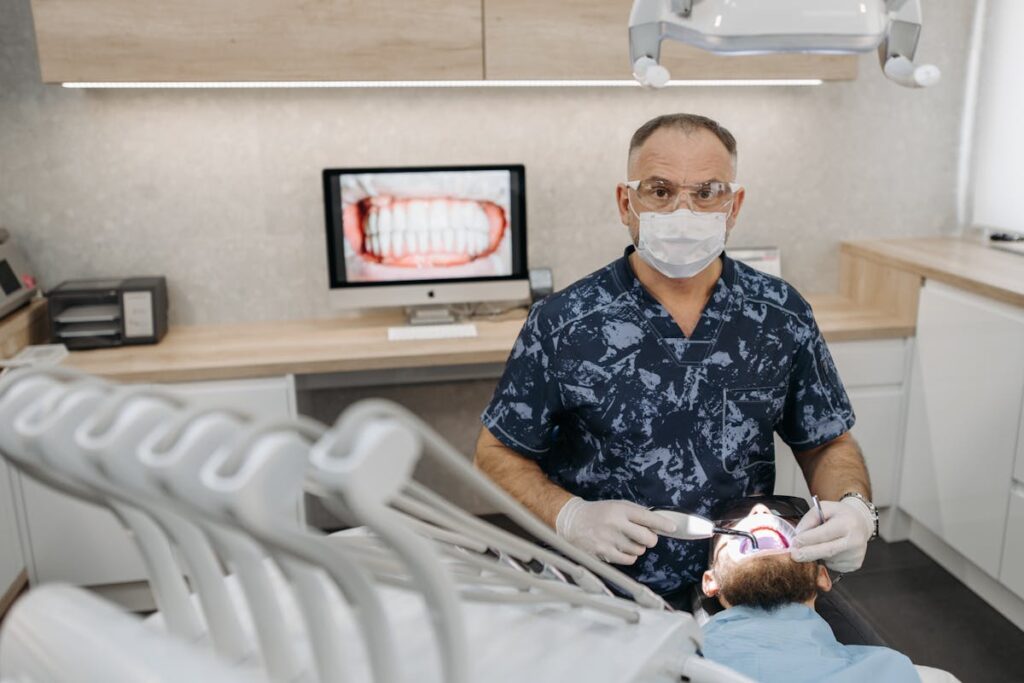
Preventive dental care extends beyond routine brushing to encompass evidence-based strategies that markedly reduce caries incidence and periodontal disease progression. Current research demonstrates that extensive oral health maintenance requires integration of mechanical plaque control, dietary modification, and professional interventions. Studies indicate that patients implementing multi-modal preventive approaches experience 40-60% fewer dental complications over five-year periods. The selection and proper utilization of these strategies determines long-term oral health outcomes and treatment costs.
Master the Fundamentals of Daily Oral Hygiene
While numerous factors contribute to oral disease prevention, establishing an all-encompassing daily hygiene regimen remains the cornerstone of dental health maintenance. Research demonstrates that proper brushing technique substantially reduces plaque biofilm accumulation when performed twice daily for two minutes using fluoridated dentifrice. Systematic reviews indicate that modified Bass technique, utilizing 45-degree angulation against the gingival margin with short vibratory strokes, attains ideal plaque removal efficiency.
Flossing consistency proves equally critical for interdental plaque disruption, where toothbrush bristles cannot penetrate. Clinical studies reveal that daily interproximal cleaning reduces gingivitis by 40% and decreases caries incidence in proximal surfaces. Evidence supports incorporating antimicrobial mouth rinses containing chlorhexidine or essential oils as adjunctive measures. Patients demonstrating adherence to these fundamental protocols exhibit markedly reduced periodontal disease progression and dental caries development.
Choose the Right Dental Products for Your Needs
Selecting appropriate oral hygiene products requires understanding individual dental conditions and evidence-based product characteristics. Fluoride concentration, abrasive index, and antimicrobial properties determine toothpaste efficacy, while bristle configuration, head size, and handle design influence mechanical plaque removal capabilities of manual versus powered toothbrushes. Therapeutic mouthwashes containing chlorhexidine, essential oils, or cetylpyridinium chloride demonstrate measurable reductions in gingivitis and plaque accumulation when incorporated into thorough oral hygiene protocols.
Toothpaste Selection Guidelines
When evaluating toothpaste formulations for ideal oral health outcomes, consumers must consider several evidence-based criteria that directly impact caries prevention and periodontal disease management. Fluoride concentration remains the primary consideration, with 1,000-1,500 ppm demonstrating favorable anticariogenic efficacy in adult populations. Higher concentrations require professional guidance, particularly for patients with elevated caries risk profiles.
Abrasive content, measured through Relative Dentin Abrasivity (RDA) values, should range between 50-70 for daily use. Excessive abrasivity compromises enamel integrity and exacerbates dentinal hypersensitivity. Patients with exposed root surfaces require formulations below RDA 50.
Additional therapeutic agents warrant consideration based on individual pathology. Triclosan demonstrates antimicrobial properties, while stannous fluoride provides superior gingivitis control compared to sodium fluoride alternatives. Potassium nitrate or strontium chloride addresses sensitivity concerns through tubular occlusion mechanisms.
Toothbrush Types Compared
How do contemporary toothbrush designs influence plaque biofilm disruption and subsequent periodontal health outcomes? Clinical evidence demonstrates that both manual toothbrushes and electric toothbrushes effectively remove bacterial deposits when proper technique is employed. Systematic reviews indicate electric toothbrushes reduce plaque by 21% and gingivitis by 11% compared to manual counterparts after three months of use. Oscillating-rotating electric models show superior efficacy in interproximal cleaning and gingival margin access. Manual toothbrushes with multi-level bristle configurations enhance plaque removal versus flat-trimmed designs. Bristle stiffness affects both cleaning efficiency and potential enamel abrasion, with soft-to-medium bristles recommended for most patients. Electric toothbrushes particularly benefit individuals with limited dexterity, orthodontic appliances, or aggressive brushing habits. Selection criteria should consider patient-specific factors including periodontal status, manual dexterity, and compliance patterns.
Mouthwash Benefits Explained
Although mechanical plaque removal remains the cornerstone of oral hygiene, therapeutic mouthwashes provide adjunctive antimicrobial and anti-inflammatory benefits that enhance periodontal health outcomes. Clinical evidence demonstrates that chlorhexidine gluconate formulations reduce plaque accumulation by 45-61% and gingivitis by 27-67% when incorporated into daily protocols. Essential oil-based rinses containing thymol, eucalyptol, and menthol exhibit bactericidal properties against pathogenic biofilms.
Proper mouthwash usage requires 30-second vigorous swishing with undiluted solution post-brushing to maximize substantivity. Mouthwash quality considerations include alcohol concentration, which affects xerostomia risk, and fluoride content for caries prevention. Practitioners should evaluate individual patient needs when recommending formulations, considering factors such as periodontal status, caries risk, and medication-induced hyposalivation. Cetylpyridinium chloride alternatives provide comparable efficacy without alcohol-related complications for susceptible populations.
Optimize Your Diet for Stronger Teeth and Gums
The relationship between dietary choices and oral health outcomes extends beyond simple cavity prevention, encompassing complex interactions between nutrients, oral microbiota, and periodontal tissues. Calcium-rich dairy products and phosphorus-containing proteins facilitate enamel remineralization, while vitamin C supports collagen synthesis essential for gingival integrity. Nutrient dense foods including leafy greens, fatty fish, and nuts provide antioxidants that reduce periodontal inflammation markers.
Saliva producing snacks such as fibrous vegetables and sugar-free gum stimulate salivary flow, enhancing the mouth’s natural buffering capacity against acidogenic bacteria. Conversely, frequent consumption of fermentable carbohydrates creates sustained pH drops below 5.5, promoting demineralization. Limiting acidic beverages and implementing structured meal timing reduces enamel erosion risk. Evidence indicates ideal oral health requires strategic nutritional planning beyond basic sugar restriction.
Schedule and Maintain Regular Professional Cleanings
While dietary modifications establish foundational oral health conditions, professional prophylactic interventions remove accumulated biofilm and calculus that resist daily hygiene measures. Dental hygienists employ specialized ultrasonic scalers and hand instruments to eliminate subgingival deposits unreachable through conventional brushing and flossing. Research demonstrates that consistent scheduling of biannual cleanings reduces periodontal disease progression by 40% compared to sporadic visits.
Clinicians develop customized cleaning routines based on individual risk assessments, incorporating factors such as genetic predisposition, systemic conditions, and oral microbiome composition. High-risk patients benefit from quarterly maintenance appointments, while those with stable periodontal health maintain ideal outcomes through standard six-month intervals. Professional cleanings also facilitate early pathology detection, enabling timely intervention before irreversible tissue damage occurs. This systematic approach substantially reduces long-term treatment costs and preserves dentition integrity.
Recognize Early Warning Signs of Dental Problems
Early detection of oral pathology enormously improves treatment outcomes and prevents progression to advanced disease states. Gum disease indicators include persistent halitosis, gingival erythema and edema, spontaneous bleeding during brushing, and measurable periodontal pocket depths exceeding 3 millimeters. Tooth decay symptoms manifest as white spot lesions on enamel surfaces, thermal sensitivity to hot or cold stimuli, and localized pain during mastication or when consuming sweet substances.
Gum Disease Indicators
Five distinct clinical manifestations serve as primary indicators of periodontal disease progression, each requiring prompt recognition for effective intervention. Persistent bleeding gums during routine oral hygiene procedures signal inflammatory processes within gingival tissues. Visible tartar buildup along the gumline creates bacterial reservoirs that exacerbate periodontal deterioration. Gingival recession exposes root surfaces, increasing sensitivity and susceptibility to decay. Halitosis resistant to conventional oral hygiene measures indicates anaerobic bacterial proliferation in deepened periodontal pockets. Tooth mobility represents advanced periodontal attachment loss requiring immediate professional assessment.
Clinical studies demonstrate that patients identifying these indicators within six months of onset experience 70% better treatment outcomes than those with delayed recognition. Systematic periodontal screening enables early detection of subclinical disease manifestations before irreversible tissue damage occurs.
Tooth Decay Symptoms
Beyond periodontal manifestations, dental caries presents distinct symptomatic patterns that enable timely therapeutic intervention before extensive structural compromise occurs. Initial tooth enamel weakening manifests as white spot lesions, indicating demineralization zones where bacterial acids have depleted mineral content. Progressive carious lesions exhibit tooth discoloration, shifting from chalky white to yellow-brown as destruction advances through enamel layers.
Patients report thermal sensitivity when consuming hot or cold substances, signaling exposed dentin tubules. Spontaneous pain episodes indicate pulpal involvement requiring immediate clinical assessment. Visual examination reveals surface cavitation, while radiographic analysis detects interproximal lesions undetectable through direct observation. Halitosis frequently accompanies active caries due to bacterial metabolic byproducts. Early-stage lesions remain reversible through remineralization protocols, whereas advanced decay necessitates restorative procedures. Recognition of these clinical indicators facilitates prompt intervention, preventing irreversible tooth structure loss.
Protect Your Teeth From Physical Damage and Wear
Multiple factors contribute to the mechanical deterioration of dental structures, including bruxism, malocclusion, traumatic injuries, and erosive dietary habits. Nocturnal bruxism affects 8-31% of adults, causing enamel microfractures, dentin exposure, and temporomandibular disorders. Custom-fabricated occlusal guards effectively minimize teeth grinding and protect against teeth clenching by redistributing occlusal forces.
Athletic mouthguards reduce dental trauma risk by 82% during contact sports. Patients should avoid using teeth as tools for opening packages or biting non-food objects. Acidic beverages consumed frequently accelerate enamel demineralization; limiting exposure time and using straws minimizes contact with tooth surfaces. Early orthodontic intervention corrects malocclusion, preventing abnormal wear patterns. Regular dental examinations identify wear facets, enabling timely interventions before irreversible damage occurs. These protective measures preserve tooth structure integrity throughout the patient’s lifetime.
Address Risk Factors and Lifestyle Habits
While mechanical protection preserves tooth structure, systemic and behavioral factors markedly influence oral disease progression and treatment outcomes. Tobacco use remains the most considerable modifiable risk factor for periodontal disease, oral cancer, and implant failure. Tobacco cessation programs demonstrate 40% improvement in periodontal treatment response within twelve months of quitting.
Chronic psychological stress correlates with increased salivary cortisol levels, reduced immune function, and heightened susceptibility to periodontal pathogens. Effective stress management through cognitive behavioral therapy or mindfulness practices reduces inflammatory markers associated with gingivitis by 23%. Additionally, stress-induced parafunctional habits like bruxism accelerate enamel wear and temporomandibular joint dysfunction.
Dietary modifications eliminating high-frequency sugar consumption and maintaining adequate hydration support salivary buffering capacity. These lifestyle interventions, when implemented systematically, substantially reduce caries incidence and periodontal disease progression.
Implement Advanced Preventive Technologies and Treatments
Laser fluorescence devices enable early caries detection at demineralization stages invisible to conventional radiography, achieving 90% sensitivity for occlusal lesions compared to 60% with traditional methods. These technologies quantify bacterial porphyrin fluorescence, providing numerical readings that track lesion progression over sequential appointments.
Silver diamine fluoride application arrests 81% of cavitated lesions within 24 months, offering non-invasive management for high-risk populations. Air polishing systems utilizing glycine powder demonstrate superior precision biofilm control, removing 84% more subgingival plaque than traditional scaling while preserving tooth structure.
Salivary diagnostics identify periodontal pathogens and inflammatory markers before clinical manifestation, enabling targeted antimicrobial therapy. Fluoride varnish containing 5% sodium fluoride reduces caries incidence by 43% when applied biannually. These evidence-based interventions transform preventive protocols from reactive to predictive care models.
Frequently Asked Questions
Does Dental Insurance Typically Cover Preventive Care Treatments and Procedures?
Most dental insurance coverage includes thorough preventive dental benefits at 80-100% reimbursement rates. Standard covered procedures encompass biannual prophylaxis, radiographic examinations, fluoride applications, and sealants, though specific provisions vary considerably among individual policy frameworks.
At What Age Should Children Start Seeing a Dentist Regularly?
Children should initiate dental visits by age one or within six months of first tooth eruption. The importance of early dental visits facilitates establishing dental care routine, enabling practitioners to monitor developmental milestones and implement preventive interventions.
Can Genetics Affect My Susceptibility to Cavities and Gum Disease?
Yes, hereditary factors substantially influence oral health outcomes. Genetic predispositions determine enamel composition, saliva properties, and immune responses to bacterial pathogens. Studies demonstrate familial clustering of periodontal disease and caries susceptibility through inherited anatomical and biochemical variations.
How Much Do Preventive Dental Treatments Usually Cost Without Insurance?
Out of pocket costs for preventive dental procedures typically range from $75-200 for routine cleanings. Average dental visit expenses include examinations ($50-150), radiographs ($25-250), and fluoride treatments ($20-50), varying by geographic location and provider.
Are Electric Toothbrushes Significantly Better Than Manual Ones for Prevention?
Research demonstrates electric toothbrushes remove 21% more plaque than manual variants. Superior outcomes correlate with ideal brush vibration speed (31,000 oscillations/minute) and high-grade brush bristle quality. Clinical evidence supports their preventive efficacy for reducing gingivitis incidence.