
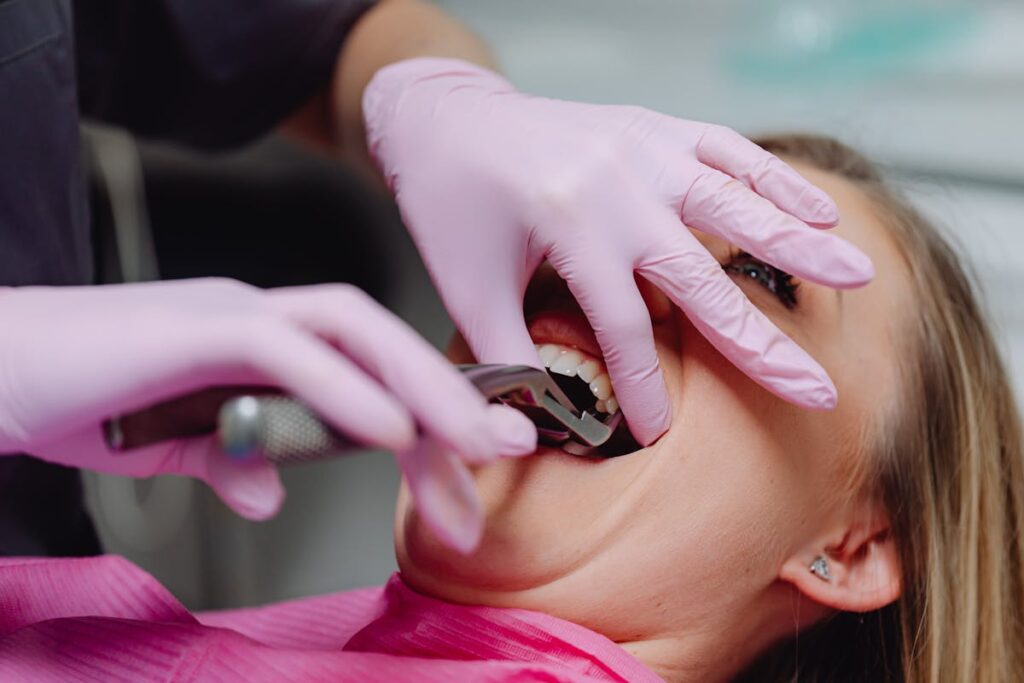
Wisdom tooth extraction requires systematic post-operative care to guarantee favorable healing results. Recovery protocols encompass multiple clinical considerations, from hemorrhage control to infection prevention. Patients face a critical 7-14 day period where adherence to evidence-based guidelines determines success rates. Complications such as alveolar osteitis affect 2-5% of cases, yet proper intervention reduces this substantially. The distinction between normal healing and pathological processes remains paramount for timely clinical response.
Managing Pain and Swelling in the First 48 Hours
Following wisdom tooth extraction, the initial 48-hour period represents the most critical phase for pain management and edema control. Patients should implement immediate interventions to minimize postoperative complications and accelerate recovery.
Applying cold compresses to the external jaw area for 20-minute intervals reduces inflammation through vasoconstriction. Ice packs should be wrapped in cloth to prevent tissue damage. Between applications, patients require 40-minute rest periods to restore normal circulation.
Monitoring medication usage remains essential for ideal pain control. Prescribed analgesics should be administered according to the surgeon’s protocol, typically before anesthesia subsides. Non-steroidal anti-inflammatory drugs may supplement opioid medications when indicated. Patients must document dosage times and pain levels to prevent overmedication while maintaining therapeutic efficacy. Elevation of the head during rest further reduces swelling through gravitational drainage.
Essential Dietary Guidelines During Recovery
Proper nutrition during wisdom tooth recovery requires strict adherence to dietary modifications that protect extraction sites while maintaining adequate caloric and fluid intake. Patients must distinguish between mechanically appropriate foods that minimize tissue trauma and those that pose risks of complications such as dry socket or infection. The selection of soft-textured foods, systematic avoidance of problematic items, and implementation of specific hydration protocols constitute the fundamental components of post-operative dietary management.
Safe Foods to Eat
Multiple dietary modifications become necessary during the initial 72-hour post-operative period to prevent complications and promote ideal healing of the extraction sites. Patients should prioritize soft food options that require minimal mastication and pose no risk to surgical wounds.
Recommended nutritional choices include pureed soups, yogurt, smoothies, and applesauce, which provide essential nutrients without mechanical disruption. Mashed potatoes, scrambled eggs, and cottage cheese serve as protein-rich alternatives that maintain caloric intake. Easy to chew snacks such as bananas, avocados, and well-cooked pasta can be introduced gradually after 48 hours.
Temperature regulation remains critical—foods should be consumed at room temperature or slightly cool. Patients must avoid using straws, as the suction action can dislodge blood clots and precipitate dry socket formation, a painful complication requiring additional intervention.
Foods to Avoid
While certain foods facilitate healing, others pose significant risks to surgical sites and must be strictly eliminated from the patient’s diet during the recovery period. Hard, crunchy items including nuts, chips, and raw vegetables can dislodge blood clots and traumatize extraction sites. Seeds, grains, and popcorn present impaction hazards within open sockets. Acidic substances such as citrus fruits and tomato-based products may cause severe irritation to exposed tissues.
Patients must avoid using straws, as suction forces can precipitate dry socket formation. Hot beverages and spicy foods increase blood flow, potentially triggering hemorrhage. Alcohol interferes with medication efficacy and impairs clotting mechanisms. Shifting from liquid supplements to soft foods should occur gradually, with problematic items reintroduced only after complete epithelialization of surgical sites, typically fourteen days post-extraction.
Hydration Best Practices
Why does hydration assume critical importance following oral surgery? Post-operative tissue healing requires adequate fluid intake to maintain cellular function, prevent dry socket formation, and facilitate waste elimination. Dehydration compromises blood circulation to extraction sites, impeding clot stabilization and increasing infection risk.
Optimal liquid consumption involves 64-80 ounces daily through room-temperature water, electrolyte solutions, and clear broths. Patients should modify drinking habits by avoiding straws for 72 hours minimum, as suction forces disrupt blood clot integrity. Small, frequent sips safeguard healing tissues while sustaining hydration status.
Carbonated beverages, alcohol, and hot liquids remain contraindicated during initial recovery phases. Cold water provides mild analgesic effects while supporting systemic hydration. Medical professionals recommend monitoring urine color as a hydration indicator, targeting pale yellow output to guarantee adequate fluid balance during recuperation.
Proper Oral Hygiene While Your Mouth Heals
Although the extraction site requires protection from disruption during the initial healing phase, maintaining oral hygiene remains critical for preventing postoperative infections and promoting ideal tissue regeneration. Patients should implement gentle brushing techniques starting 24 hours post-extraction, avoiding direct contact with surgical sites while thoroughly cleaning adjacent teeth surfaces. Soft-bristled toothbrushes minimize tissue trauma during the inflammatory response period.
Proper wound cleaning involves saltwater rinses performed four times daily, beginning the day following surgery. The solution—one-half teaspoon salt dissolved in eight ounces warm water—should be gently swished without vigorous movement that could dislodge blood clots. After 72 hours, patients may incorporate prescribed antimicrobial rinses. Food debris removal requires careful irrigation using provided syringes, directed along extraction socket peripheries rather than directly into wounds.
Recognizing and Preventing Dry Socket
Dry socket, or alveolar osteitis, occurs when the blood clot at the extraction site becomes dislodged or fails to form properly, exposing underlying bone and nerve endings to oral bacteria and debris. Patients should monitor for severe, radiating pain beginning 2-4 days post-extraction, visible bone in the socket, halitosis, and unpleasant taste as primary indicators of this complication. Prevention requires strict adherence to post-operative protocols including avoidance of negative pressure activities such as smoking, straw use, and vigorous rinsing during the initial 72-hour healing period.
Dry Socket Warning Signs
When blood clots dislodge or fail to form properly within extraction sites, patients face significant risk of developing alveolar osteitis, commonly termed dry socket, occurring in approximately 2-5% of routine extractions and up to 30% of impacted third molar removals. Primary symptoms of dry socket manifest 2-4 days post-extraction, including severe throbbing pain radiating to the ear, exposed bone visible within the socket, and halitosis accompanied by unpleasant taste. Patients may experience lymphadenopathy and low-grade fever. Early recognition enables prompt intervention. Treatment options for dry socket focus on pain management through medicated dressings containing eugenol or benzocaine, socket irrigation with saline solution, and systemic analgesics. Clinicians typically apply antimicrobial paste directly to exposed bone, requiring multiple applications until granulation tissue forms. Complete resolution generally occurs within 7-10 days following therapeutic intervention.
Risk Factors
Understanding predisposing factors enables healthcare providers and patients to implement preventive strategies that substantially reduce dry socket incidence. Primary risk factors include smoking, which impairs healing through vasoconstriction and negative pressure during inhalation. Female patients using oral contraceptives face elevated risk due to estrogen’s fibrinolytic effects on blood clot stability.
Previous medical history of dry socket increases recurrence probability by 20%. Mandibular extractions, particularly impacted third molars, demonstrate higher complication rates than maxillary procedures. Surgical trauma correlates directly with alveolar osteitis development.
Certain prescription medications, including corticosteroids and immunosuppressants, compromise healing capacity. Patients over 30 exhibit increased susceptibility. Poor oral hygiene and pre-existing periodontal disease create bacterial reservoirs that destabilize clot formation. Healthcare providers must evaluate these variables preoperatively to stratify risk and modify extraction protocols accordingly.
Prevention Best Practices
Although multiple risk factors contribute to alveolar osteitis development, evidence-based preventive interventions substantially reduce post-extraction complications when implemented systematically. Pre surgery precautions include cessation of tobacco products 48 hours before extraction, prophylactic antibiotic administration in high-risk patients, and optimization of oral hygiene through chlorhexidine rinses. Surgeons minimize trauma through atraumatic extraction techniques and appropriate socket irrigation.
Post surgery prevention methods encompass strict adherence to postoperative instructions, particularly avoiding negative pressure activities such as spitting, straw usage, and forceful rinsing during initial healing phases. Patients must maintain gentle oral hygiene while protecting the extraction site from mechanical disruption. Prescribed analgesics and anti-inflammatory medications should be taken as directed. Recognition of early warning signs—persistent pain, malodor, or exposed bone—enables prompt intervention, preventing progression to established dry socket requiring extensive treatment.
Activities to Avoid During the Healing Process
Physical activities requiring exertion must cease immediately following wisdom tooth extraction to prevent complications such as dry socket, hemorrhage, and delayed wound healing. Patients should maintain limited physical activity for 72-96 hours post-operatively, avoiding strenuous exercise that elevates blood pressure or heart rate. Prohibited activities include weightlifting, running, cycling, and contact sports, which can dislodge blood clots and compromise surgical sites.
Additional restrictions encompass smoking, which impairs oxygenation and delays epithelialization, and drinking through straws, creating negative pressure that disrupts clot formation. Patients must avoid spitting forcefully, playing wind instruments, and consuming alcohol, which interferes with medication efficacy and coagulation processes. Swimming poses infection risks through bacterial exposure. Dental professionals recommend resuming normal activities gradually after the fourth post-operative day, contingent upon individual healing progression and absence of complications.
When to Contact Your Oral Surgeon
When should patients seek immediate medical intervention following wisdom tooth extraction? Patients must contact their oral surgeon if specific warning signs manifest during recovery. Persistent bleeding exceeding four hours post-procedure indicates postoperative bleeding concerns requiring professional assessment. Temperature above 101°F, severe pain unresponsive to prescribed analgesics, or difficulty swallowing warrant immediate consultation.
Unexpected complications include purulent discharge, facial asymmetry suggesting infection, or paresthesia lasting beyond 24 hours. Patients experiencing trismus preventing oral intake, hemorrhage saturating gauze every 30 minutes, or signs of dry socket—characterized by exposed bone and malodor—require urgent evaluation. Additional indicators include allergic reactions to medications, persistent nausea preventing fluid intake, or suture dehiscence. Early intervention prevents progression to systemic complications such as Ludwig’s angina or osteomyelitis. Surgeons typically provide emergency contact protocols for after-hours concerns.
Timeline of Recovery Milestones
Following appropriate monitoring for complications, patients benefit from understanding expected healing progression after wisdom tooth extraction. The anticipated healing timeline typically spans 7-10 days for soft tissue closure, though complete bone remodeling requires 3-6 months.
Initial clot formation occurs within 24 hours post-extraction. Days 2-3 mark peak swelling and discomfort, with gradual improvement thereafter. By day 4-5, epithelialization begins across the socket margins. Suture removal, when applicable, occurs at day 7.
The estimated recovery duration for normal activities is 3-4 days, while strenuous exercise should resume after one week. Visible socket closure completes by day 14, though underlying granulation tissue continues maturing. Complete osseous healing progresses over 8-12 weeks, with final bone density restoration achieved at approximately six months post-procedure.
Tips for Sleeping Comfortably After Surgery
Although post-extraction discomfort typically intensifies during nighttime hours, strategic positioning and environmental modifications can markedly enhance sleep quality during the recovery period. Sleeping position adjustments constitute the primary intervention for minimizing edema and hemorrhage risk. Patients should maintain head elevation at 30-45 degrees using multiple pillows or wedge supports, avoiding lateral recumbency on the extraction side for 72 hours post-operatively.
Pain management techniques before sleep include administering prescribed analgesics 30-60 minutes prior to bedtime and applying ice packs intermittently during the first 24 hours. Room temperature regulation between 60-67°F promotes ideal sleep conditions. Patients should avoid sleep aids containing anticoagulant properties. Gauze placement requires replacement before sleep to prevent aspiration. Mouth breathing tendencies necessitate humidification to prevent socket desiccation and delayed epithelialization.
Frequently Asked Questions
Can I Drive Myself Home After Wisdom Tooth Extraction Surgery?
Patients cannot drive themselves home following wisdom tooth extraction due to sedation effects. Post-operative pain management protocols and modified diet recommendations require immediate implementation. Arranging transportation beforehand remains mandatory for patient safety and ideal recovery outcomes.
Will Insurance Typically Cover Wisdom Tooth Removal Costs?
Dental insurance coverage typically reimburses 50-80% of wisdom tooth extraction procedures when medically necessary. Surgical cost considerations include complexity, anesthesia requirements, and provider network status. Patients should verify specific policy benefits and pre-authorization requirements beforehand.
Should I Remove All Four Wisdom Teeth at Once?
Patients typically benefit from simultaneous extraction of all four wisdom teeth, ensuring proper tooth alignment and reduced infection risk. Single surgical intervention minimizes anesthesia exposure, recovery periods, and post-operative complications compared to multiple procedures.
How Long Before Surgery Should I Stop Smoking?
Patients should quit smoking early, ideally 72 hours minimum before wisdom tooth extraction. Nicotine constricts blood vessels, impeding healing mechanisms. Cessation helps minimize post op complications including dry socket formation, infection risk, and delayed wound epithelialization.
Can I Return to Work the Day After Extraction?
Patients typically require 48-72 hours recovery before resuming work activities. Pain management protocols and dietary restrictions profoundly impact functional capacity. Individual healing responses, surgical complexity, and occupational demands determine appropriate return-to-work timing following extraction procedures.